
 By
By
Iceland’s solar eclipse will be one of those rare moments people talk about for years. But seeing it properly? That takes more than showing up. This isn’t guesswork or recycled tips.
It’s a straight-up guide built by locals who know the roads, the weather, and how fast plans can fall apart out here. At Camper Rental Iceland, we’ve been helping people explore our island since 2013.
Here you’ll find the best places to watch, how to prepare, when to book, and what most people get wrong. If you’re serious about seeing it, you’re in the right place.
The 2026 Total Solar Eclipse: What Makes It So Special
The 2026 total solar eclipse is one of the rarest astronomical events Iceland will ever see. The last time the country experienced full totality was 1954. The next won’t happen until 2196.
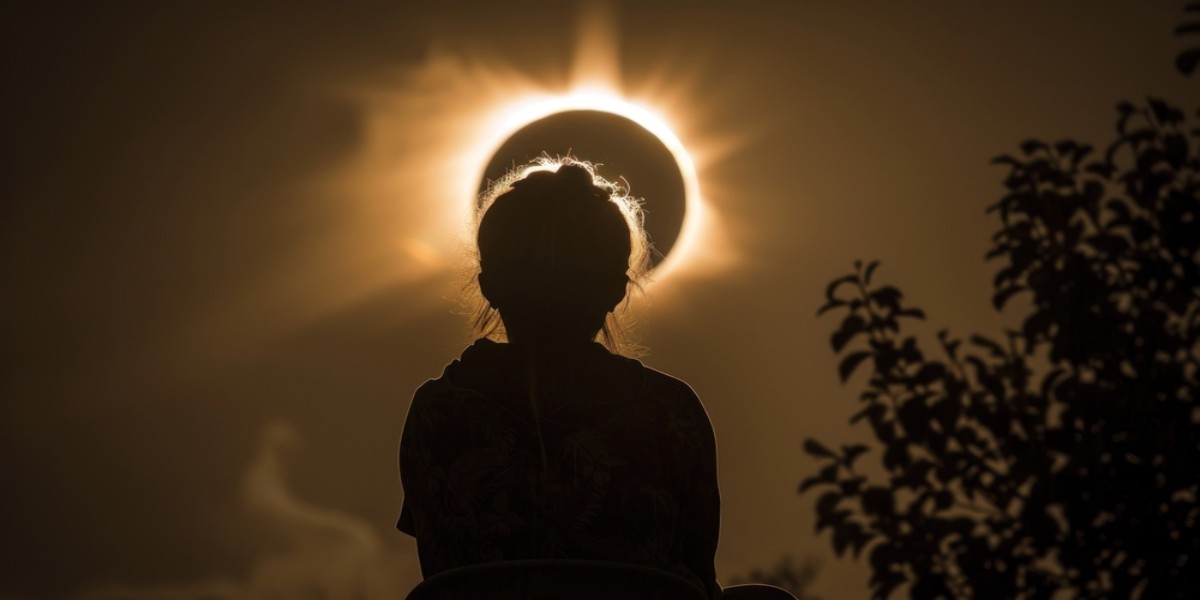
This is not something you stumble into. It cuts directly across Iceland’s west, giving viewers a front-row seat to darkness, stars, and the glowing solar corona, with no filters, or second chances.
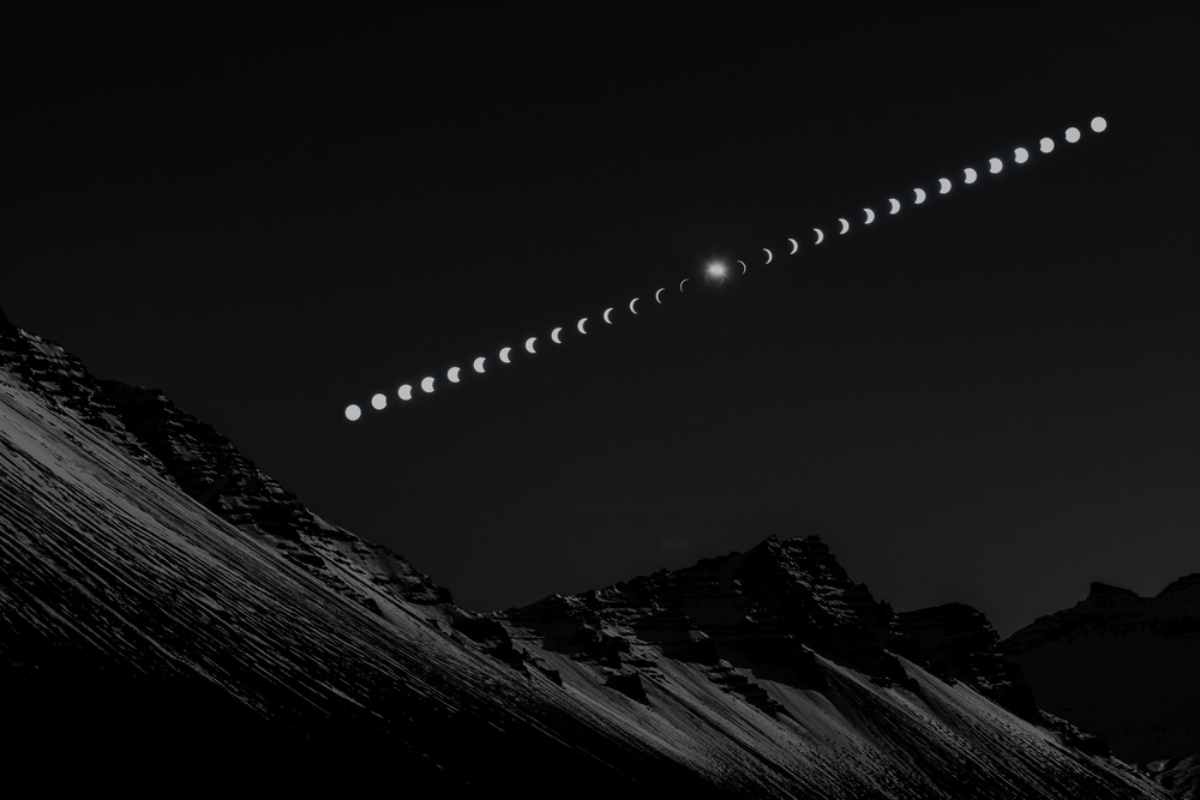
Spain is also on the eclipse path, technically. You’ll get a quick glimpse there if you’re not too distracted by traffic, city lights, or your second glass of wine. Sure, the weather might be better, but good luck finding a quiet spot without a dozen tourists in your shot.
When and Where to See the Solar Eclipse in Iceland
Seeing totality depends entirely on where you are and when you’re ready. Use the details below to pinpoint the right place, the right time, and how to make it count.
Date and Exact Timing of the Eclipse in Iceland
Iceland’s eclipse in 2026 will follow a tight schedule, and the timing will vary depending on where you are. The first contact begins in the early afternoon on 12 August 2026, with totality hitting between 16:45 and 17:00 local time in most areas. It ends shortly after, with the final partial phase wrapping up before 18:30.
The Westfjords will see totality earlier than Reykjavík, and for slightly longer. Even a few kilometers can make a big difference. Because the eclipse happens late in the day, the Sun will be low in the sky. That means terrain and cloud cover could block your view if you are not positioned carefully.
Plan to be parked and settled well in advance. The light will drop fast, and there is no margin for rushing last-minute. Check local eclipse maps for exact times in your region and build your viewing spot around the best line of sight to the southwest horizon.
Path of Totality Across Iceland
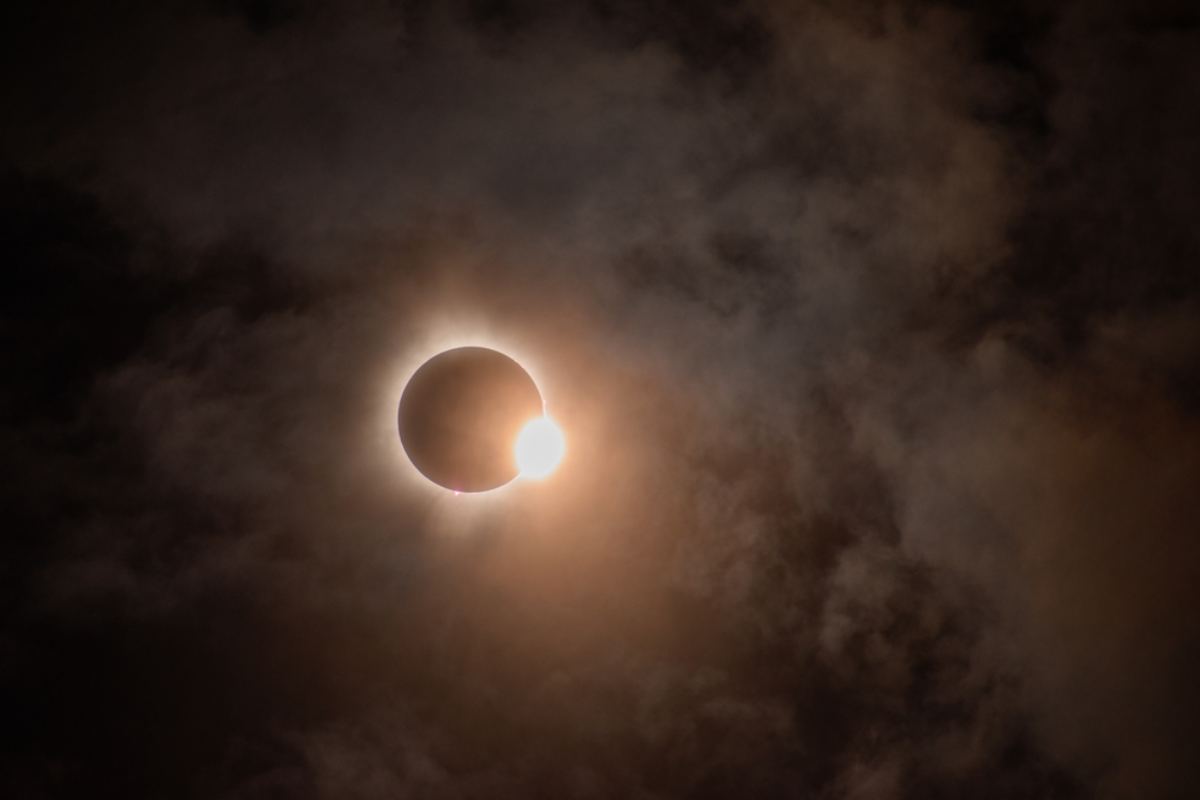
The path of totality cuts across Iceland from Straumnes Lighthouse in the Westfjords to Reykjanestá on the Reykjanes Peninsula, taking just under seven minutes to cross the island.
Totality begins near Hornstrandir at 17:43 UTC with a duration of 1 minute 26 seconds and reaches its peak offshore from Látrabjarg with over 2 minutes of full eclipse. It crosses Snæfellsnes Peninsula, clips Reykjavík’s northern edge, and exits near Grindavík with up to 1 minute 47 seconds of totality.
Regions inside the path include parts of the Westfjords, Snæfellsnes, northern Reykjavík, and Reykjanes. Everywhere else, including the Golden Circle, Eastfjords, and southern Reykjavík, will see only a partial eclipse.
Open coastal spots like Látrabjarg and Snæfellsnes offer the best views. Fjords and inland hills may block visibility depending on your position. For accurate location data and eclipse timing, use an interactive map like nationaleclipse.com
Why Iceland Is One of the Best Places on Earth to See a Total Solar Eclipse
Iceland offers unparalleled conditions for viewing a total solar eclipse, from its prime location to its natural beauty. Here’s why it’s one of the best places on Earth to experience this rare event.
Duration of Totality and Proximity to Maximum Eclipse
Iceland’s eclipse in 2026 isn’t just a cool thing to see, it’s the real deal. The Westfjords will get up to 2 minutes 18 seconds of totality, making it one of the longest views on land.

The closer you are to the centerline, the better it gets. Snæfellsnes isn’t far behind with just over 2 minutes, while Reykjavík’s northern edge barely hits 1 minute.
Iceland’s position near the global maximum of the eclipse gives you more time in total darkness than most places.
Light Pollution, Landscapes and Visual Impact
Iceland’s solar eclipse in 2026 will turn daylight into darkness within seconds. At full totality, the Moon blocks the Sun completely, revealing the solar corona in sharp detail. The sky fades into a deep twilight, and if conditions are clear, stars and planets become visible even in the middle of the afternoon.
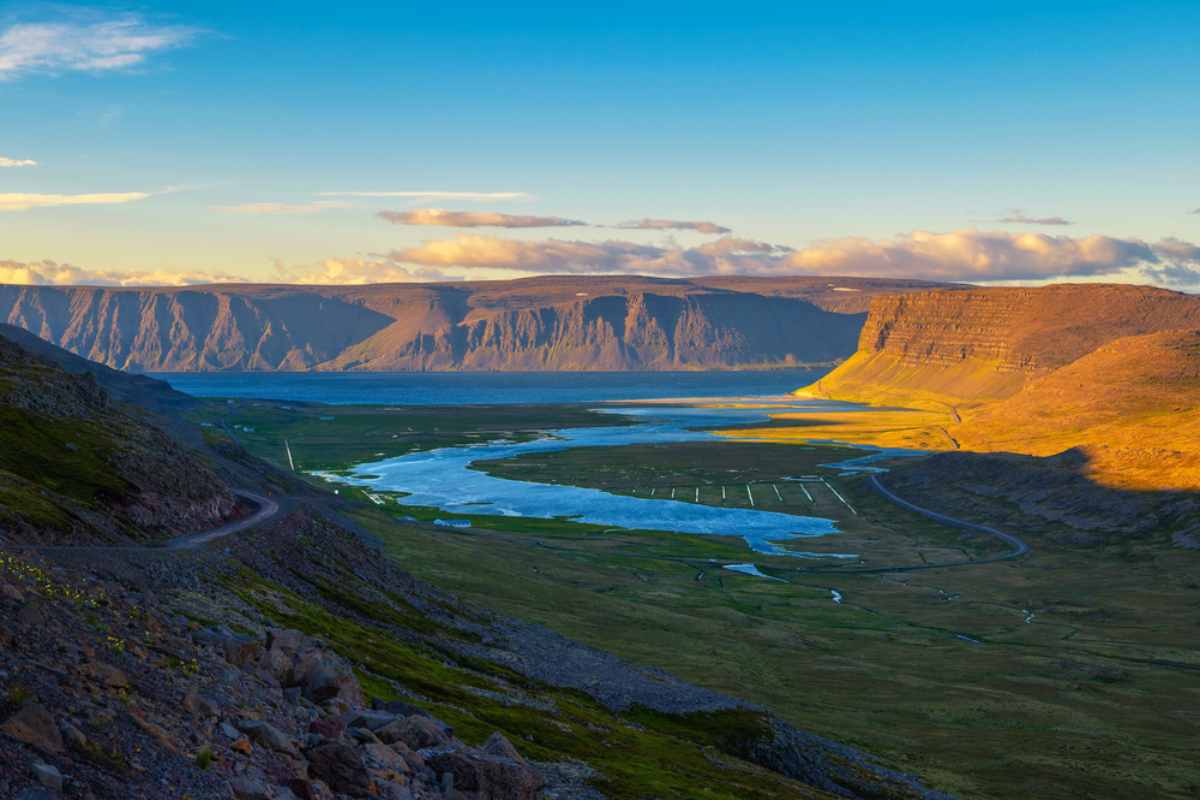
The entire horizon glows in a 360-degree ring of light. What makes this different in Iceland is the setting. You are not surrounded by traffic, streetlights, or buildings. You are standing on raw terrain. Cliffs, glaciers, and lava fields stretch in every direction.
The view is wide open, with nothing in the way. Unlike more built-up locations further south, there is nothing artificial competing with the eclipse. You get the real version.
August Weather: What to Realistically Expect
August weather around Iceland’s solar eclipse in 2026? Mild temperatures of 10-15°C (50-59°F), but don’t expect clear skies all the time. Cloud cover will average 60-80%, and while rain is common, it rarely sticks around all day. The Westfjords and Snæfellsnes are your best bets for breaks in the clouds, but Reykjavik and Reykjanes will probably be soaked with overcast from Atlantic storms.
Regional Cloud Averages
- Westfjords: 25-40% chance of clear skies during totality (17:00-18:00 UT)
- Snæfellsnes: 30-50% chance, depending on where you’re standing
- Reykjavik/Reykjanes: 20-30% chance, but good luck with the humidity
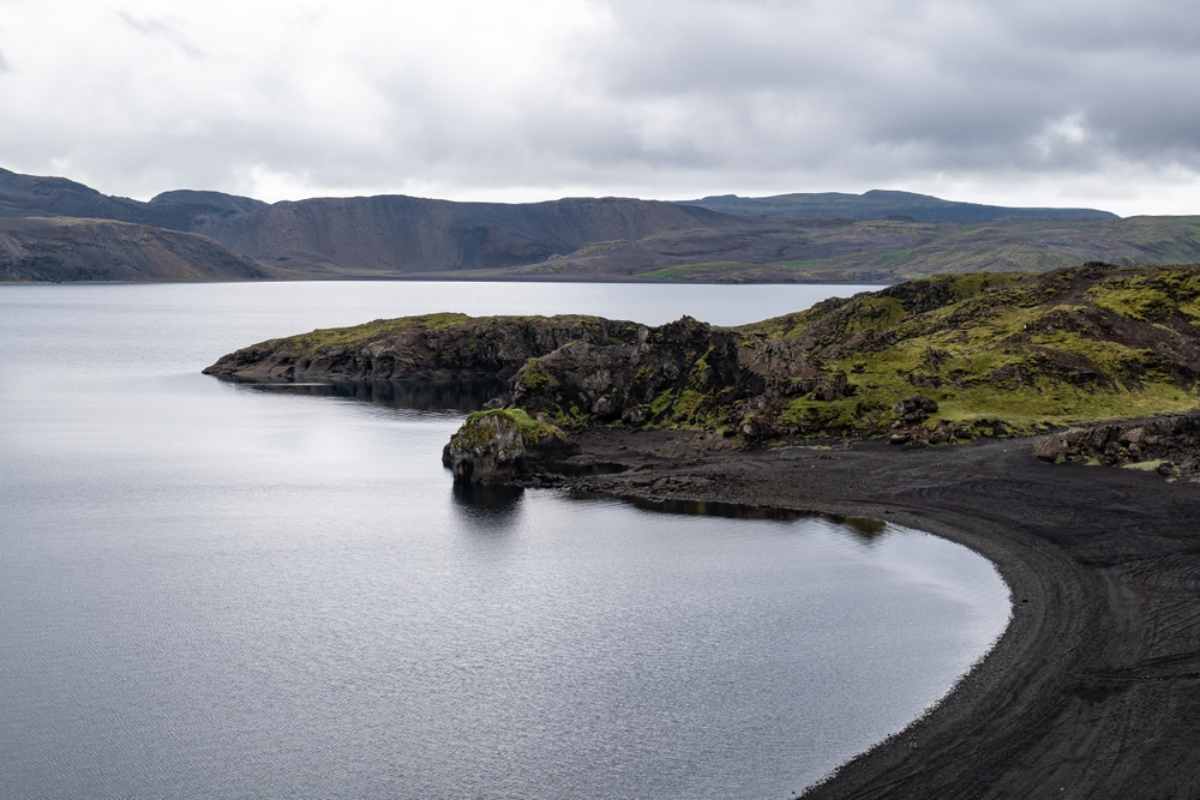
Historical data says you’ve got a 25% shot at clear skies at 18:00 UT. But if you’re flexible and don’t mind driving a little, your odds jump to 50%. Watch Vedur.is for real-time updates and adjust accordingly.
Best Places to Watch the Solar Eclipse in Iceland
Where you watch Iceland’s solar eclipse makes all the difference. Here are our top picks to help you choose the best spot:
Westfjords: Maximum Totality and Total Freedom
The Westfjords offer the longest totality on land for Iceland’s 2026 eclipse. At Látrabjarg cliffs, you’ll get 2 minutes 13 seconds of full eclipse, about as good as it gets without being offshore.
Totality starts at Straumnes Lighthouse with 1 minute 26 seconds and builds as the path sweeps south. Ísafjörður gives you around 1 minute 30 seconds if you want a fallback base with basic services, but the best views are farther out.
This is where you go if you want space, silence, and nothing in your way. Just cliffs, ocean, and sky. Here, there’s no light pollution, no crowd, nor any gift shops. To get there, be ready for F-roads. Most routes are gravel and steep in places, and weather can shift fast.
This is not for rental hatchbacks or nervous drivers. You’ll need a proper 4x4, extra fuel, and a plan. But if you want the longest eclipse in Iceland, this is where it's at.
Snæfellsnes Peninsula: Iconic Landscapes and Accessibility
Snæfellsnes Peninsula offers one of the best overall setups for Iceland’s eclipse in 2026. It sits right in the middle of the path and delivers over 2 minutes of totality in towns like Ólafsvík and Hellissandur. You’re only 2 to 3 hours from Reykjavík, with none of the isolation or F-roads of the Westfjords.
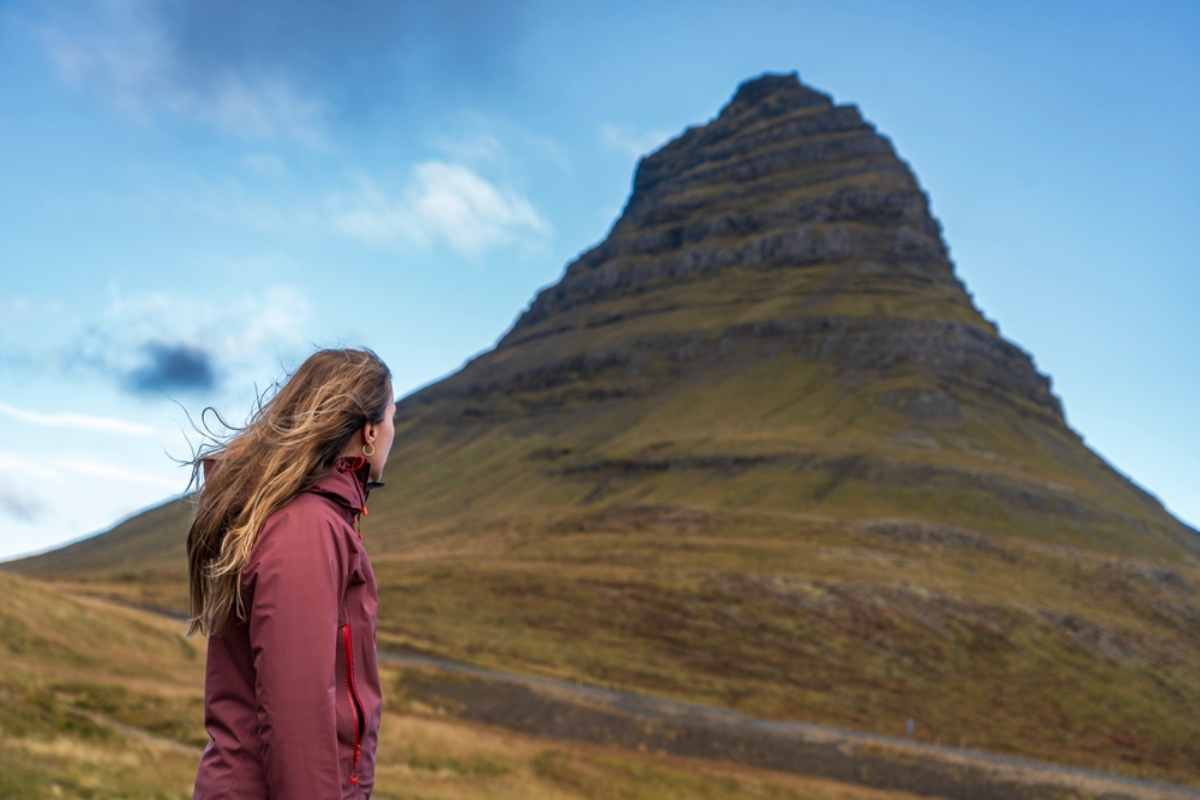
The scenery holds up. Snæfellsjökull glacier, Kirkjufell, Arnarstapi, lava fields, and black-sand beaches all sit within reach of eclipse viewing spots. When the sky drops into 360-degree twilight, this place looks unreal.
Route 54 is paved and easy to follow. Towns like Stykkishólmur still get around 1 minute 28 seconds of totality. Campsites, supermarkets, restrooms, and fuel stations are easy to find. It’s a fantastic choice for first-time campers or anyone who wants flexibility if the weather shifts.
Reykjanes Peninsula: Close to the Airport, Close to Totality
Reykjanes Peninsula is the closest you’ll get to totality without venturing far from the airport. For Iceland's solar eclipse in 2026, this region delivers up to 1 minute 47 seconds of totality at Reykjanestá Lighthouse.
It’s about as convenient as it gets. You land at Keflavík, drive 20 to 40 minutes, and you’re in position. There’s no ferries or any mountain roads. Just lava fields, steam vents, and a great opportunity for clear skies.
Spots like Grindavík and Reykjanesviti are easy to reach via Route 41, and most offer over 1 minute 30 seconds of full eclipse. Services, fuel, and pull-offs are everywhere. This area is not where you go for the longest eclipse, but if your time is limited, or if you need a last-minute backup, it works. The terrain is raw, the views are open, and recent eruptions have turned the place into a dramatic, blackened stage.
Reykjavík Area: Urban Viewing and Practical Considerations
Reykjavík sits right on the edge of the path for Iceland's solar eclipse, offering about 1 minute of totality in the city center. That stretches to around 1 minute 3 seconds at nearby coastal spots like Grótta Nature Reserve. It is not the best eclipse experience you can get, but it is the most convenient.
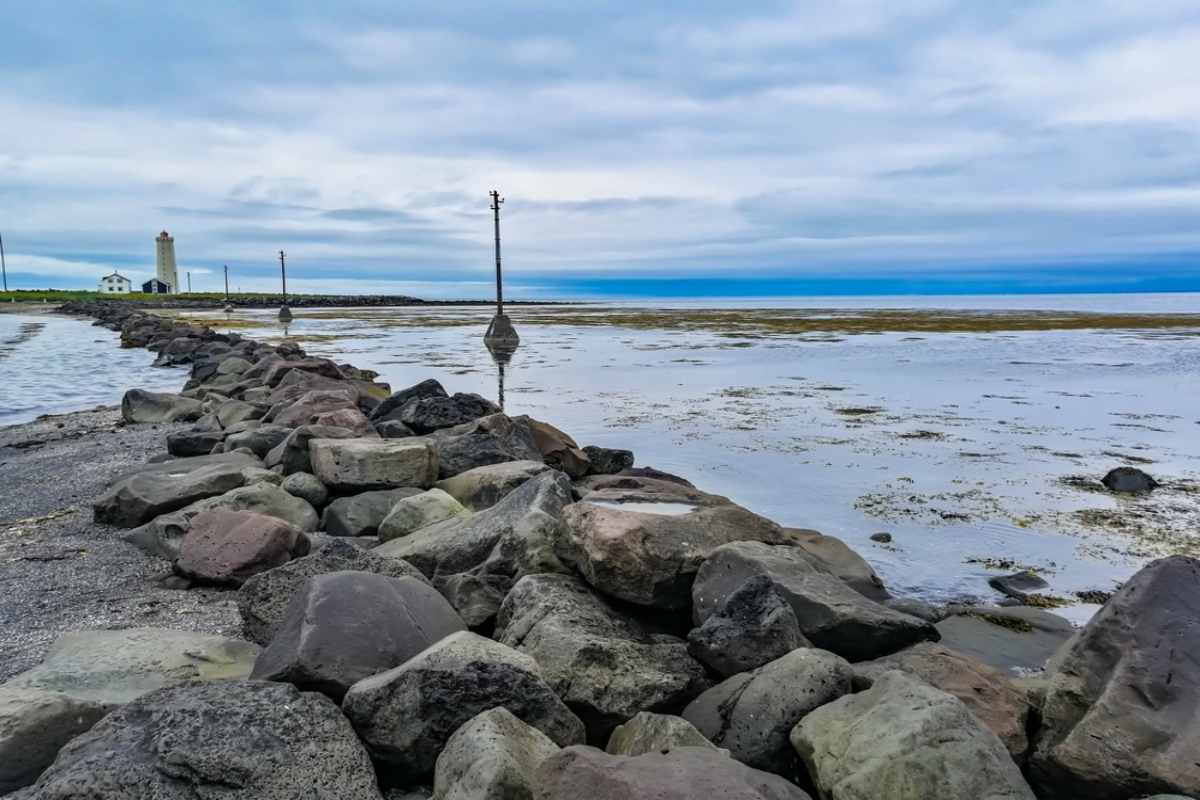
For anyone arriving late, short on time, or sticking to the capital, this is the easiest option. Expect public events, live streams, and crowds at places like Perlan or the University of Iceland. Views from rooftops, harbors, or open parks will likely be packed but serviceable.
Totality peaks around 17:48 UT with the Sun still 24 degrees above the horizon. Urban haze and lights might mute some of the corona, but that is the trade-off for skipping the long drives. For city-based travelers, it is a quick and practical way to catch the moment.
Why Renting a Campervan Is the Best Way to Experience the Eclipse
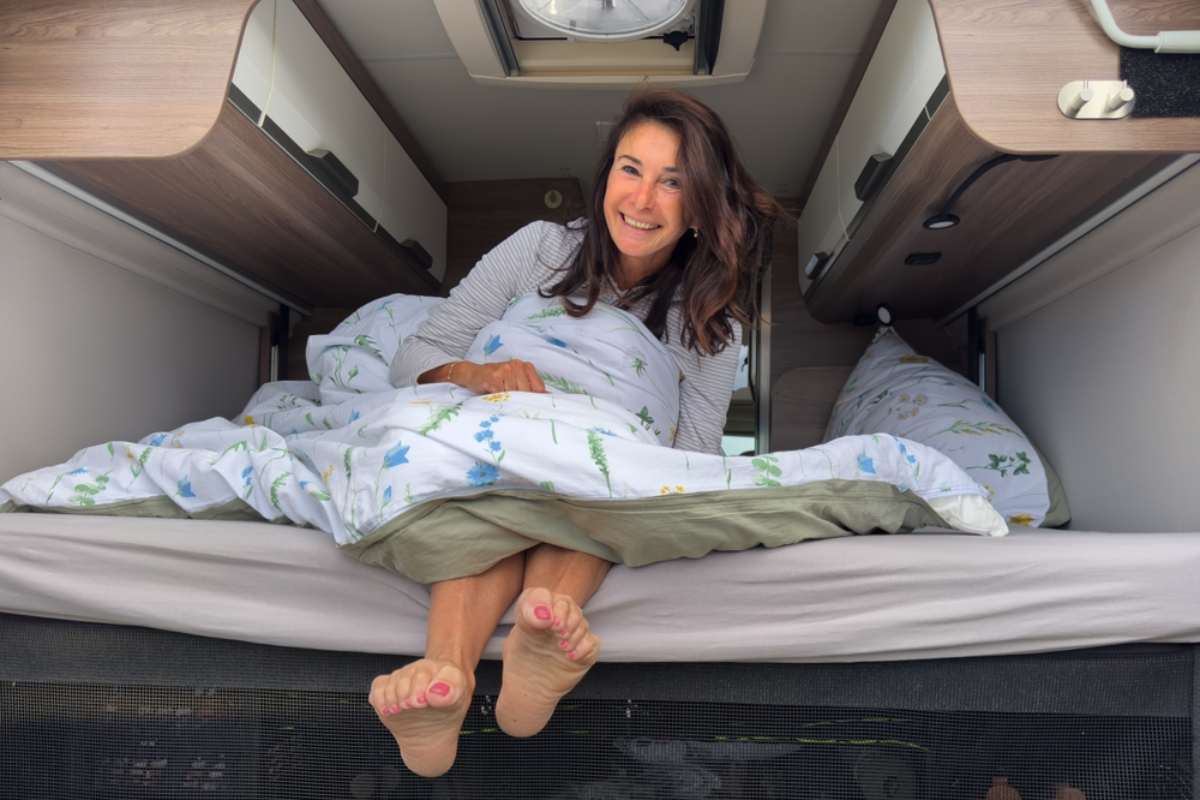
Renting a camper from Camper Rental Iceland isn’t just about transport; it’s about having the freedom to experience Iceland’s solar eclipse your way. Our fleet is designed for Icelandic conditions, so whether you’re tackling gravel roads or reaching remote viewing spots, your camper will handle it all.
We also make getting here easy. With our free shuttle service from Keflavík Airport, you’ll land and be ready to go within hours. Every camper is equipped with everything you need: comfortable sleeping arrangements, heating for those cooler nights, and kitchen gear so you can cook while you’re out chasing the eclipse.
Booking a camper isn’t just practical; it’s the best way to ensure you don’t miss a thing. You get the flexibility, comfort, and space to enjoy Iceland’s solar eclipse on your terms.
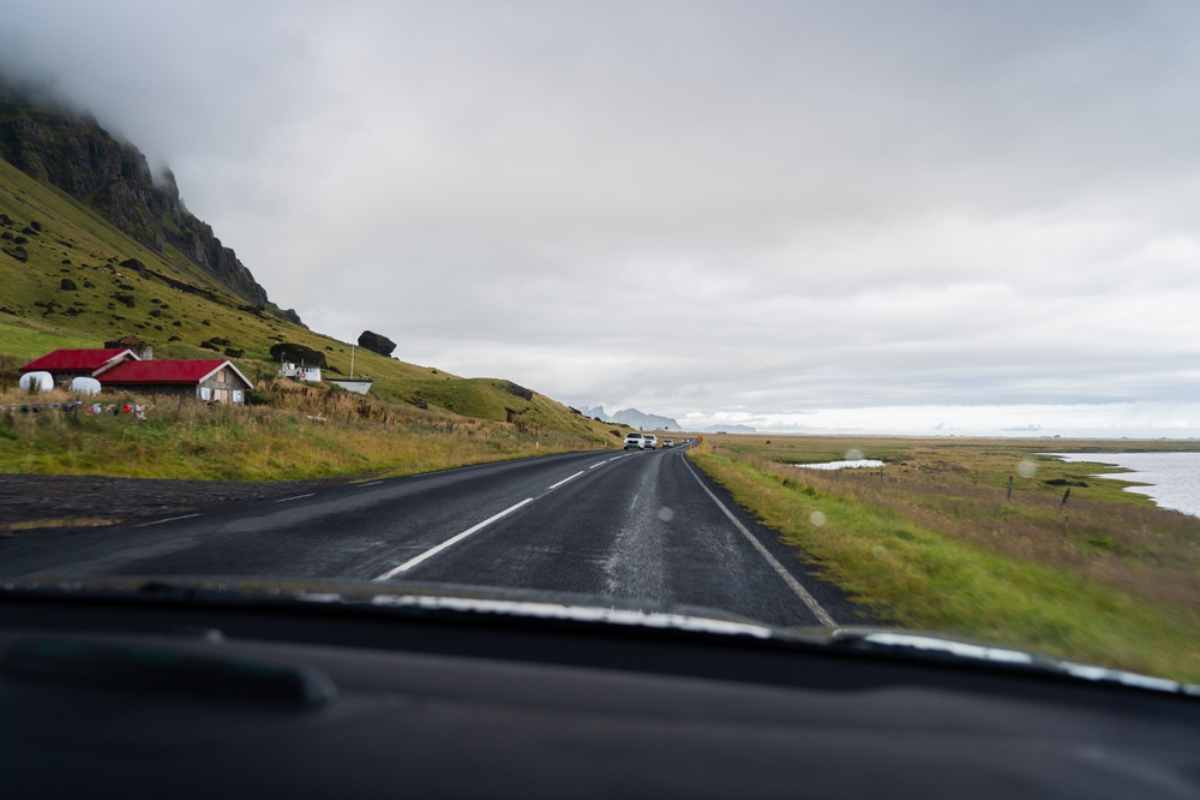
Flexibility to Escape Clouds and Crowds
With one of our campers, you can leave bad weather behind, not just hope it clears. Iceland’s weather is unpredictable, but with our flexible camper options, you can chase clear skies in real-time.
Our team monitors Icelandic weather daily and can provide you with guidance on the best routes and viewing spots before you even pick up your camper. Whether it's cloud cover, rain, or unexpected storms, you'll have the freedom to adjust your plans on the fly and get to the best location. Flexibility is key, and we ensure you’re set up to make the most of the eclipse.
Accommodation Shortages and Why Campers Sell Out First
Hotels along the eclipse path are already seeing demand spikes for 2026. We’re already receiving early bookings as travelers realize how hard it will be to find space.
Renting a camper from us solves that problem. One booking covers both your transport and your accommodation, so you don’t have to worry about double-booking or scrambling for last-minute rooms.
With our campers, you get a mobile base that goes wherever you need it, whether you’re chasing clear skies or escaping crowded spots. Secure your camper early and avoid the hassle of finding a place to sleep during the busiest event in Iceland’s history.
Campsites, Wild Landscapes and Overnight Strategy
If you're aiming for the best views of Iceland’s eclipse, plan to camp near areas like the Westfjords, Snæfellsnes, or Reykjanes. These regions offer the best mix of accessibility and stunning landscapes.
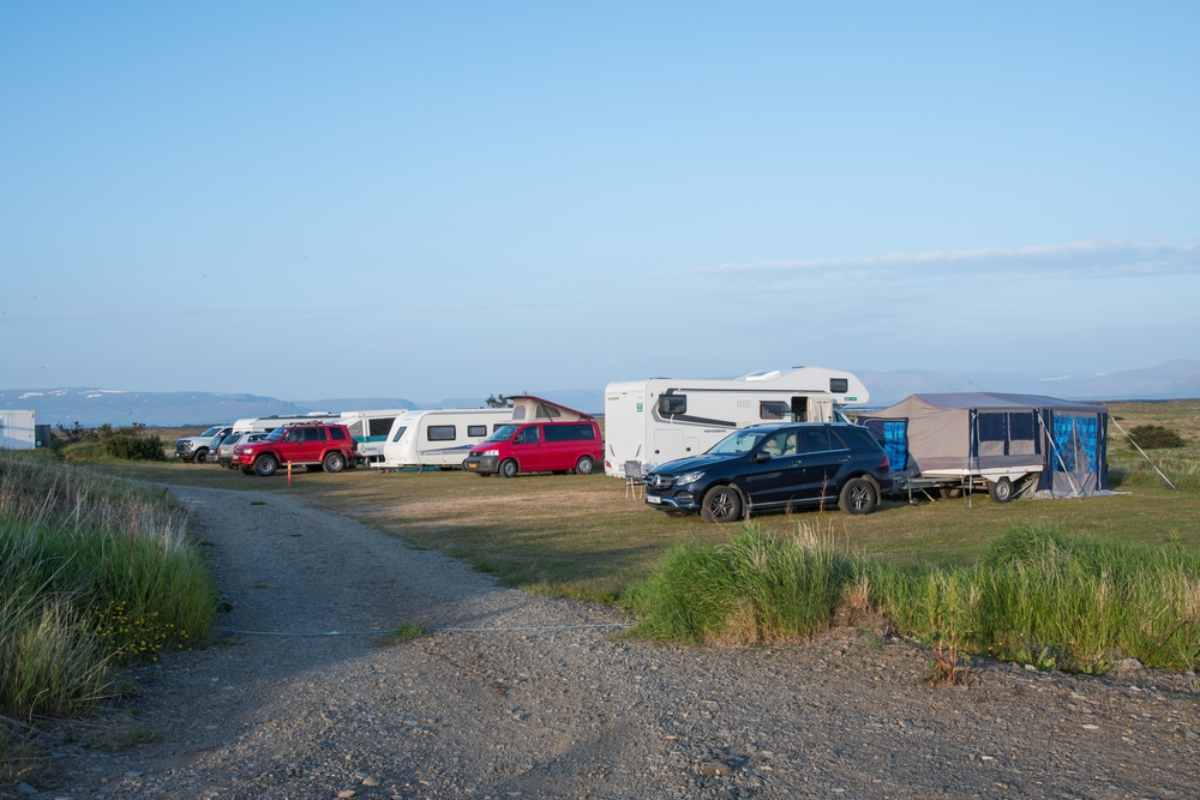
In the Westfjords, campsites near Patreksfjörður or Látrabjarg give you a front-row seat to totality. Snæfellsnes has plenty of spots near the coast with unobstructed views. Reykjanes, being closer to Reykjavík, offers convenient options with great visibility.
All of our campers are approved for legal campsites, and while wild camping is illegal, our team can guide you to the best official spots.
How to Plan a Solar Eclipse Road Trip in Iceland
Planning a solar eclipse road trip in Iceland requires a bit of preparation, but we’re here to make it easy. Here’s what we recommend you do for the best experience:
When to Book Your Campervan for August 2026
For Iceland’s solar eclipse in 2026, the earlier you book your camper, the better. We recommend reserving with Camper Rental Iceland by November 2025 for the best availability.
As demand for eclipse rentals already grows, we update our availability weekly, so early booking ensures you secure the perfect camper for your needs. Flexible cancellations are available up to 48 hours before pickup, giving you peace of mind if plans change.
Don't wait too long. Spaces will fill up quickly, and waiting until the last minute could mean missing out on your ideal camper for this once-in-a-lifetime event.
Suggested Camper Routes Based on Weather Scenarios
For Iceland’s solar eclipse in 2026, route selection depends on weather forecasts. If you're after maximum eclipse time, take the Westfjords Route via Route 60. We recommend staying near Patreksfjörður or Látrabjarg for up to 2 minutes 18 seconds of totality.
For those of you new to Iceland or prefer easier access, the Snæfellsnes Loop is a fantastic choice. It’s less remote and offers great totality in a more manageable setting. If you’re unsure where to go, our team can guide you on the best routes based on weather forecasts and our local knowledge.
While we can’t predict exactly where the clouds will clear, we’ll help direct you to areas with the highest chances of clear skies so you’re in the best spot for optimal viewing.
Driving Distances and Road Conditions in Eclipse Areas
Driving to Iceland’s eclipse hotspots on August 12, 2026, requires navigating a mix of paved highways and gravel stretches. From Keflavík Airport, expect easy access to Route 41 leading to the Reykjanes Peninsula in 20-40 minutes. Reykjavík is just 20 minutes from Grótta, and the roads are paved.
However, if you’re headed to the Westfjords or Snæfellsnes, things get trickier. The Westfjords, for example, will take 5-7 hours via coastal gravel roads, with F-road access needed for remote spots like Látrabjarg. For Snæfellsnes, you’ll drive 2-3 hours (135 km) along Route 54, which is mostly paved with some gravel sections.
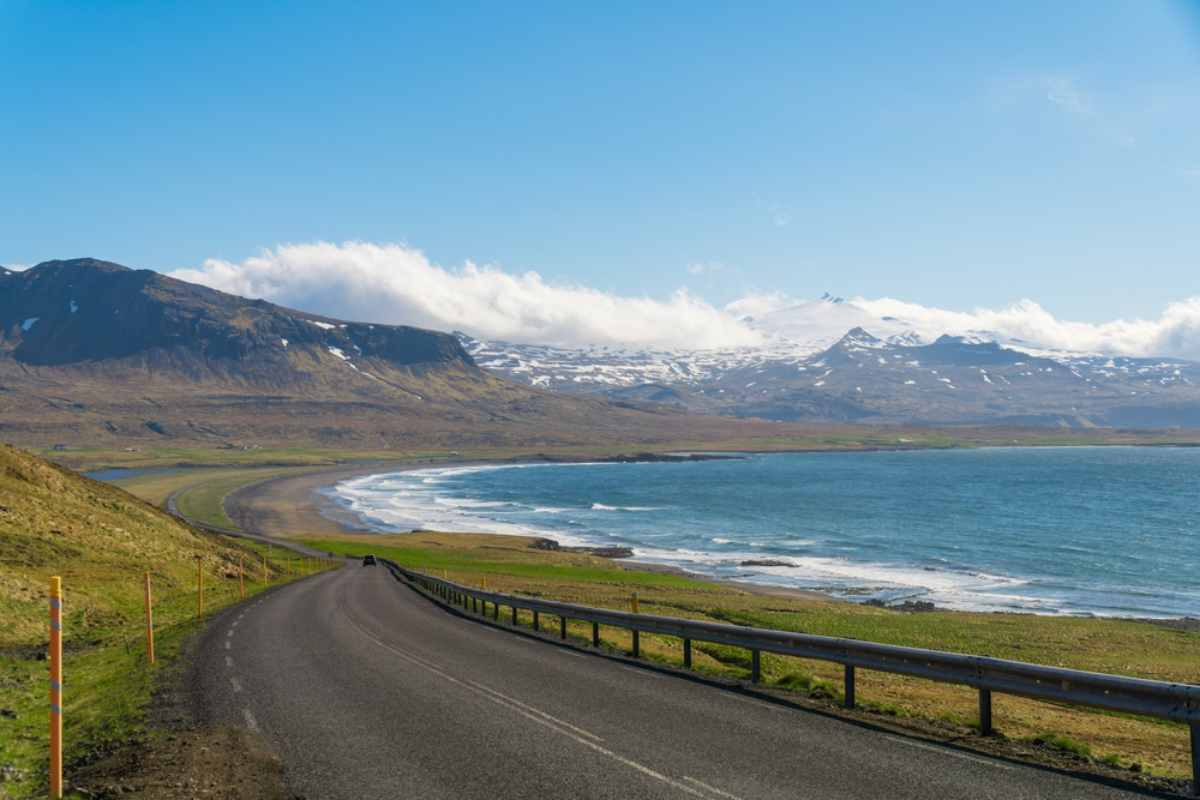
Expect slower speeds of around 50-80 km/h on gravel and winding routes and be ready for delays due to crowds, weather, and sheep. Our campers are built to handle both paved and gravel roads, and we provide 24/7 support in case conditions change. Plan for extra time, especially in August’s unpredictable weather.
What to Pack for the Solar Eclipse in Iceland
When preparing for Iceland’s solar eclipse, your camper has most of what you need to stay comfortable and mobile. From cooking gear to heating, we’ve got you covered. Here’s what you’ll need to bring to make the experience complete.
Eclipse Glasses and Camera Gear
Here’s what you’ll need to pack for eclipse viewing and photography, with everything else covered in your camper:
- Solar glasses: We don’t provide them, so make sure to bring certified solar glasses for safe viewing of the eclipse.
- Camera gear: If you’re serious about capturing the event, bring a camera with a solar filter and a tripod for steady shots.
- USB-powered chargers: Our campers come with power outlets, so bring USB chargers to keep your devices topped up throughout the day.
- Extra batteries: Totality lasts only a few minutes, so make sure your camera is ready to capture the moment.
- Mobile Wi-Fi: Add unlimited mobile Wi-Fi to your rental at check-out if you want to stay connected throughout your trip, even in remote areas.
Clothing and Camper Essentials for August
Here’s a breakdown of what you’ll need to pack, with our campers already stocked with the essentials:
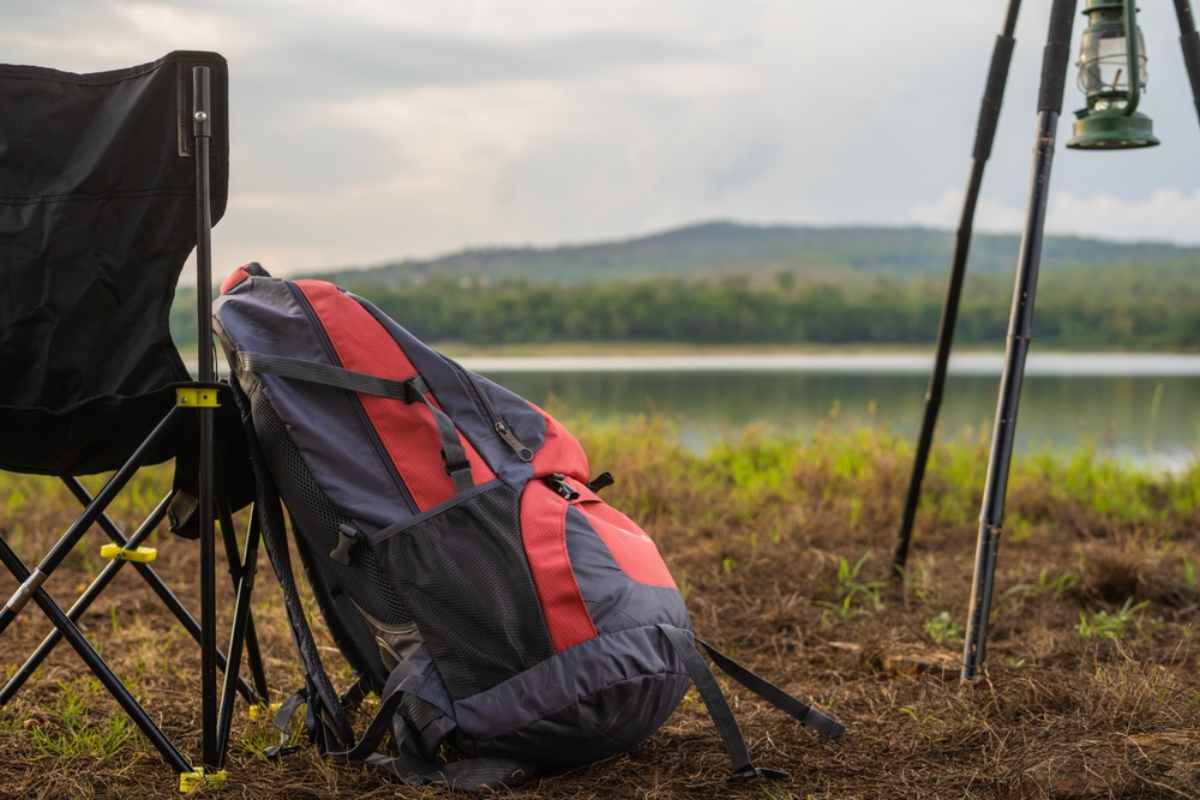
- Clothing: Iceland’s weather can be unpredictable, even in August. Pack layers, including waterproof outerwear, warm clothing, and gloves. Temperatures can dip to 10°C (50°F) or lower, especially at night.
- Sleeping bag: While we provide bedding (if selected), a sleeping bag is recommended for added warmth during chilly nights.
- Personal items: Don’t forget your toiletries, medications, and any other personal essentials.
- Power banks: Our campers come with USB-powered chargers, but it’s always good to have extra power for your devices.
- Snacks and drinks: Our kitchen set covers cooking gear, but bring your own snacks or drinks for the road.
Safety and Visibility Tips During Totality
Here are some tips to make sure you get the most out of Iceland’s solar eclipse:
- Park early: Find a good spot well ahead of time. Don’t wait until totality is about to start to look for parking.
- Pull off legally: Ensure you park in designated areas or legal campsites. Our campers come with plenty of space and privacy, but make sure you’re not obstructing roads or other travelers.
- Privacy and comfort: Every camper comes with blinds, so you can stay in the shade and have privacy while you wait.
- Facilities: While our standard campers do not include toilets, you’ll have shelter and food access right in your camper. Take advantage of the luxury of brewing a cup of coffee while you wait for the eclipse to unfold.
Turning the Eclipse into a Full Iceland Camper Experience
After the eclipse, why not make the most of your trip and explore more of Iceland’s breathtaking landscapes? Let’s take a closer look at places you simply can’t miss:
Waterfalls, Volcanoes and Hot Springs Near the Path of Totality
Many of Iceland’s headline natural sights sit close enough to the 2026 path of totality, allowing you to combine eclipse chasing with iconic Icelandic landscapes in a single camper route. These attractions are all reachable within a few hours’ drive of Reykjavík or along the broader west/northwest eclipse corridor.
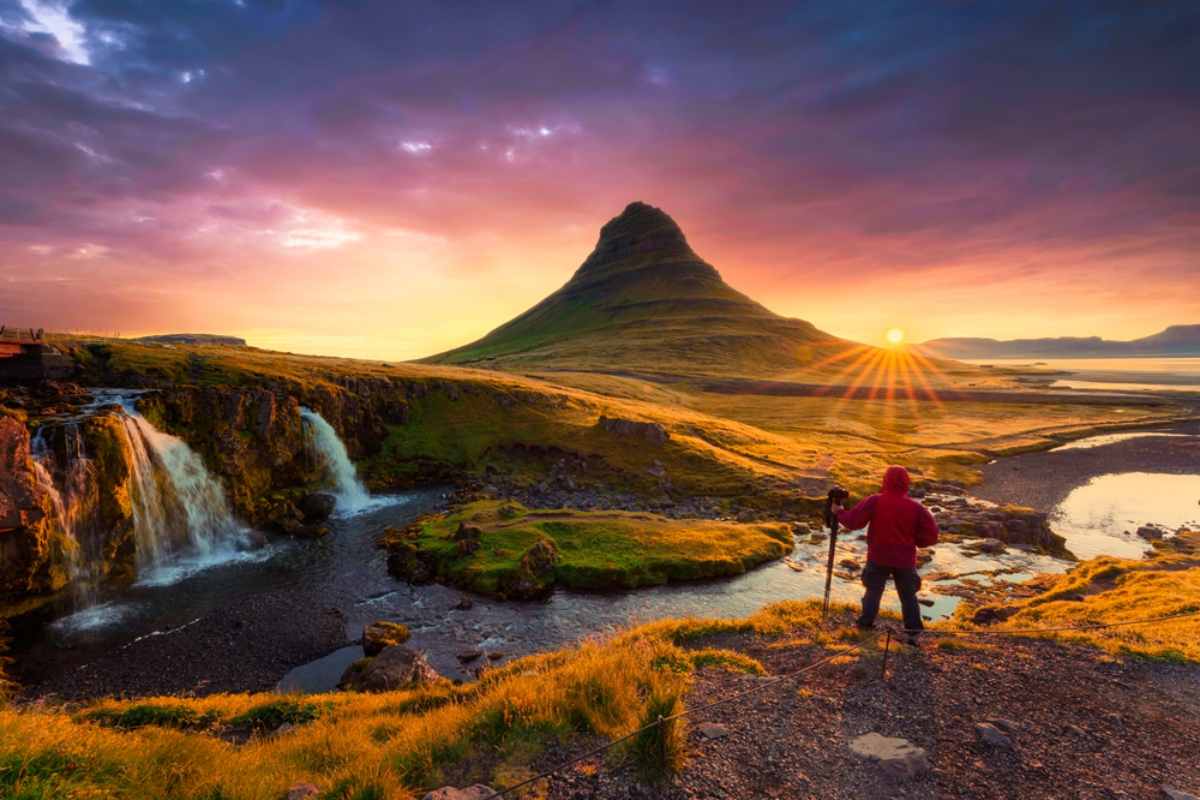
Waterfalls Near Totality
- Kirkjufellsfoss (Snæfellsnes) - Small but photogenic falls beneath Kirkjufell, just north of the eclipse zone. Perfect for a quick stop before or after the eclipse if you’re based around Ólafsvík or Grundarfjörður.
- Dynjandi (Westfjords) - A large, fan-shaped waterfall in Arnarfjörður, within reach of Westfjords viewing points. Though not directly under the shadow, it pairs well with viewing locations like Látrabjarg or Ísafjörður.
Volcanic and Geothermal Areas
- Snæfellsjökull National Park (Snæfellsnes) - A glacier-topped stratovolcano in the heart of the totality zone, surrounded by lava fields, sea cliffs, and craters. It offers one of the most dramatic volcanic backdrops for viewing the eclipse.
- Reykjanes Geothermal Zone (Reykjanes Peninsula) - Located near Keflavík Airport and the southern end of totality, this area features steaming vents, mud pools, and recent lava fields from Fagradalsfjall, all looking almost otherworldly in the eclipse light.
Hot Springs and Soaking Spots
- Blue Lagoon / Sky Lagoon Area (Reykjanes-Reykjavík) - While not directly in the path of totality, these famous spas are close enough to the eclipse route. Soak before or after chasing the shadow along Reykjanes or toward Snæfellsnes.
- Rauðamelsölkelda & Local Springs (Snæfellsnes) - Smaller, rustic mineral springs around the peninsula offer a low-key, camper-friendly way to unwind after a long day on the road.
Can You See the Northern Lights After the Eclipse?
No, you won’t see the Northern Lights right after Iceland’s solar eclipse in 2026. Mid-August means the skies won’t go fully dark. You’ll get about 4 hours of nautical darkness from 23:00 to 03:00, but it’s still too bright for good aurora views.

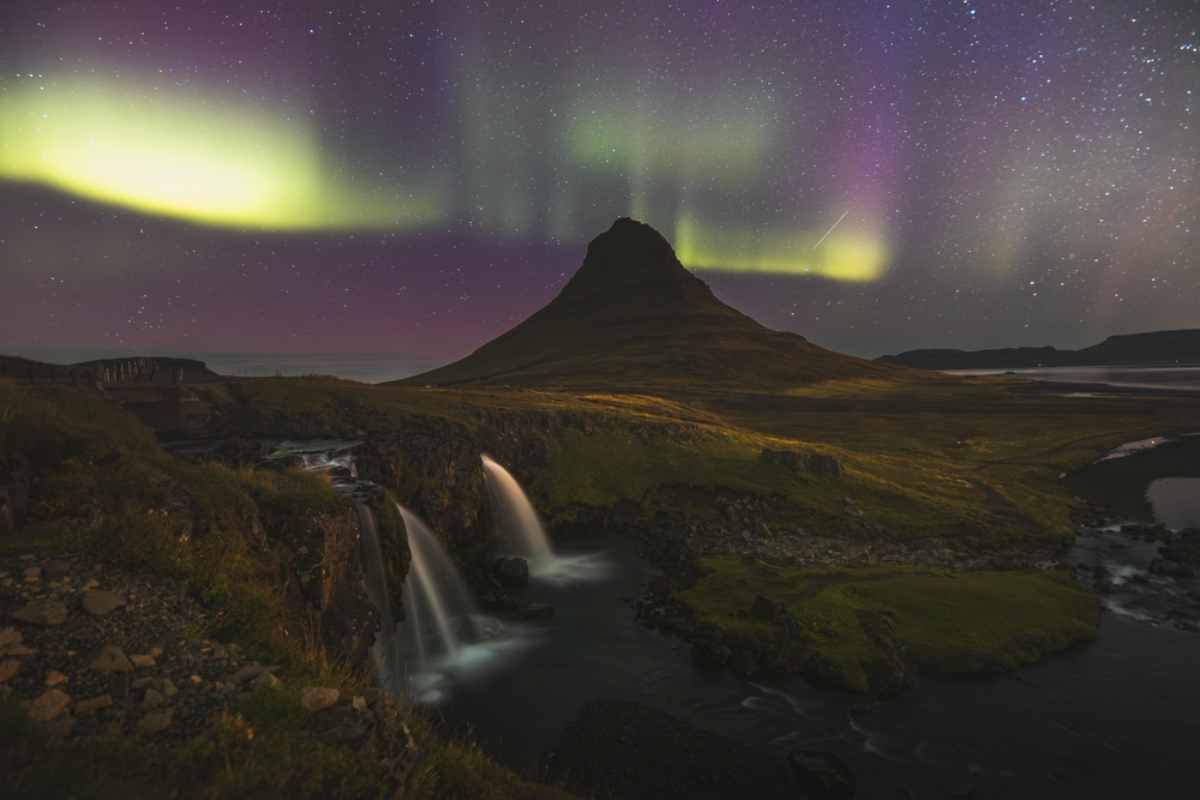
But if you stick around a few days longer, you’ve got a better shot. After August 15, the nights get darker, and solar maximum will boost aurora activity. The Westfjords and Snæfellsnes are your best bets for dark skies and fewer crowds.
- Visibility challenges - The eclipse ends at around 21:57, and the lack of full darkness means auroras need extra solar wind to show up. It’s rare to spot them right after, but it’s possible with the right conditions.
- Best post-eclipse strategy - Stay a few extra nights and track the aurora forecast on vedur.is or Perlan’s site for KP index spikes. Our campers are perfect for dark-sky hopping. Plus, don’t forget that we offer Wi-Fi add-ons, so you can stay connected while chasing the lights.
Final Tips and Why You Should Start Planning Now
The August 12, 2026, total solar eclipse in Iceland requires early action. This once-in-a-lifetime event is expected to draw global crowds, especially to the limited eclipse spots in the Westfjords and Snæfellsnes.
Book your camper rental, flights, and campsites early to secure your spot before the rush. Camper Rental Iceland is already seeing increasing demand for 2026. We recommend booking your 4x4 camper by no later than November 2025 for the best selection.
Booking Timeline
- Now: Book your camper and flights to Keflavík (spaces are already filling up for 2026).
- January-March: Reserve campsites, ferries, and essential services for the Westfjords.
- June-August: Finalize permits, fuel plans, and start tracking weather and aurora forecasts for the best viewing spots.
Frequently Asked Questions About the Solar Eclipse in Iceland 2026
Can I pick up my camper the day before the eclipse?
Yes. We recommend arriving no later than August 11. We’ll pick you up at Keflavík and get you on the road fast.
What’s the best model for rural roads?
Go for a 4x4 camper if you’re heading into the Westfjords. We can help you choose based on your route if you send us a message in advance.
Do I need a permit to park near eclipse areas?
You’ll need to use official campsites or legal pull-offs. We can guide you to options that work with your route once you land.
What if the weather is bad on eclipse day?
Our team can suggest alternate routes based on updated forecasts. You’ll have mobility and support.
Can I extend my booking after the event?
Yes, as long as the camper isn’t already booked. Contact our team and we’ll do our best.
