
 By
By
Planning to drive Iceland's Ring Road in a campervan? You're in for a wild ride. But before you hit the gas, you'll need to know where to park that van without getting fined or frozen. That's where this guide comes in.
We've rounded up the best Iceland Ring Road campsites so you can sleep close to waterfalls, glaciers, and other jaw-dropping stuff without blowing your budget. From hidden gems to practical tips, this isn't your average blog.
Oh no, it's everything you need to camp smarter, safer, and cheaper while exploring the full loop. Let's get your van trip sorted.
Why Campsites Are the Best Way to Explore the Ring Road
Hotels lock you in. Campsites set you free. When you're driving the full loop, campsites in Iceland along the Ring Road let you travel on your terms. You'll find close to 200 campsites scattered all over the country. So yeah, finding a legal spot to park isn't hard. A bunch of them are right near big-name sights, too.
Think glaciers, black sand beaches, even the occasional volcano in the rearview. Cost-wise, it's a no-brainer. Renting a campervan in Iceland often costs the same as booking a car and cheap rooms, but you get flexibility, comfort, and your own kitchen on wheels.
What to Expect from Campsites in Iceland
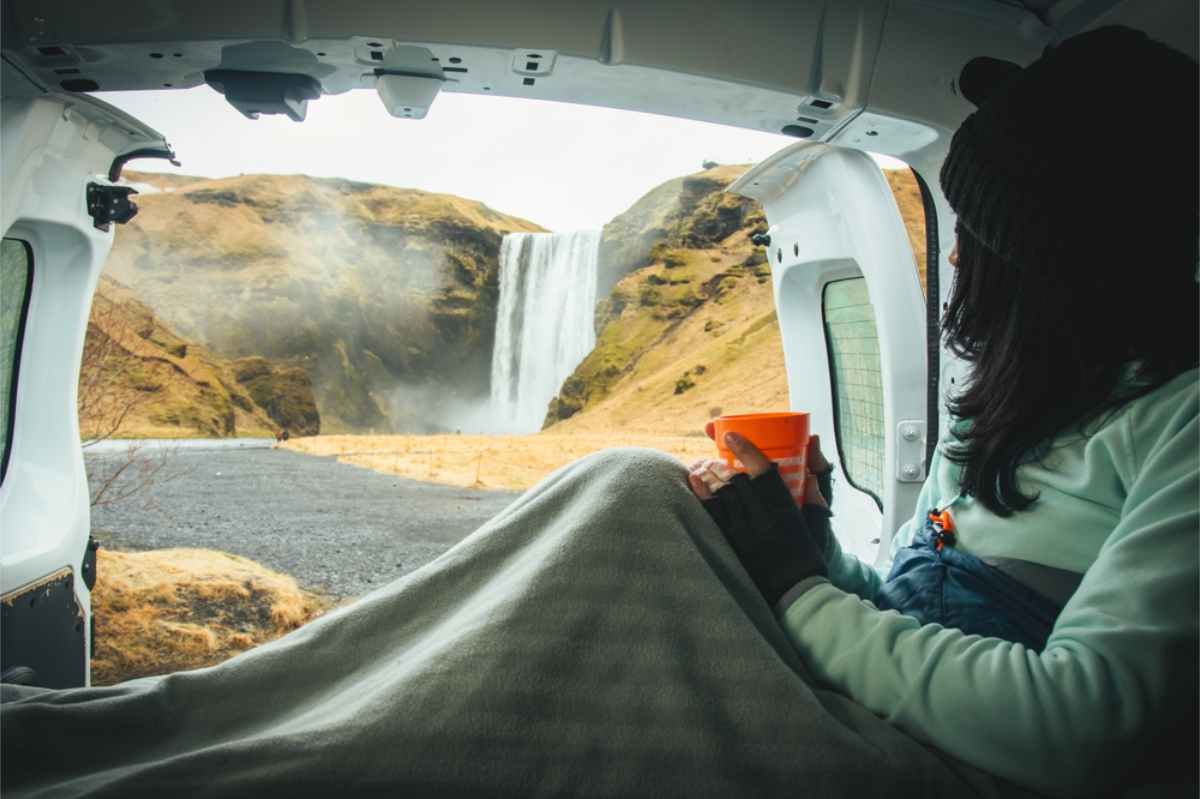
Don't expect picnic tables, fire pits, or RV resorts. Most campsites in Iceland aren't fancy. They're practical. If you're camping in Iceland on the Ring Road, expect the essentials. Enough to keep you clean, warm, and recharged for the next day's drive. It will most likely be grassy fields, gravel parking, and simple facilities designed for unpredictable weather.
Here's what you'll usually get:
- Toilets and hot showers (sometimes coin-operated)
- Campervan electric hookups (not always guaranteed)
- Shared kitchens or dishwashing areas
- Wi-Fi at some sites
- Waste and greywater disposal
- A check-in hut or honesty box system
Most campsites are open from April to September, with a few year-round options. No need for reservations at most places. Just show up, pick a spot, and settle in.
It's low-key, self-managed, and relaxed. Just don't ignore quiet hours. Icelanders take their peace and quiet seriously.
What Does the Law Say About Wild Camping for Campervanners?
Wild camping in a tent? Sometimes okay. Wild camping in a campervan? Not okay. Not unless the landowner says yes, which, let's be honest, they usually don't.
Since 2015, it's been against the law to park your van and sleep outside official sites. Why? Because too many tourists thought moss made a great mattress. Spoiler: it doesn't. It also takes decades to grow back.
So here's the deal. If you're sleeping in a van, stick to designated campsites or approved town parking areas. That random gravel pull-off you found? Not legal. And yeah, people do get fined.
There are literally hundreds of legal places to camp in Iceland, so why bother taking the risk in the first place?
Understanding the Ring Road (Route 1)
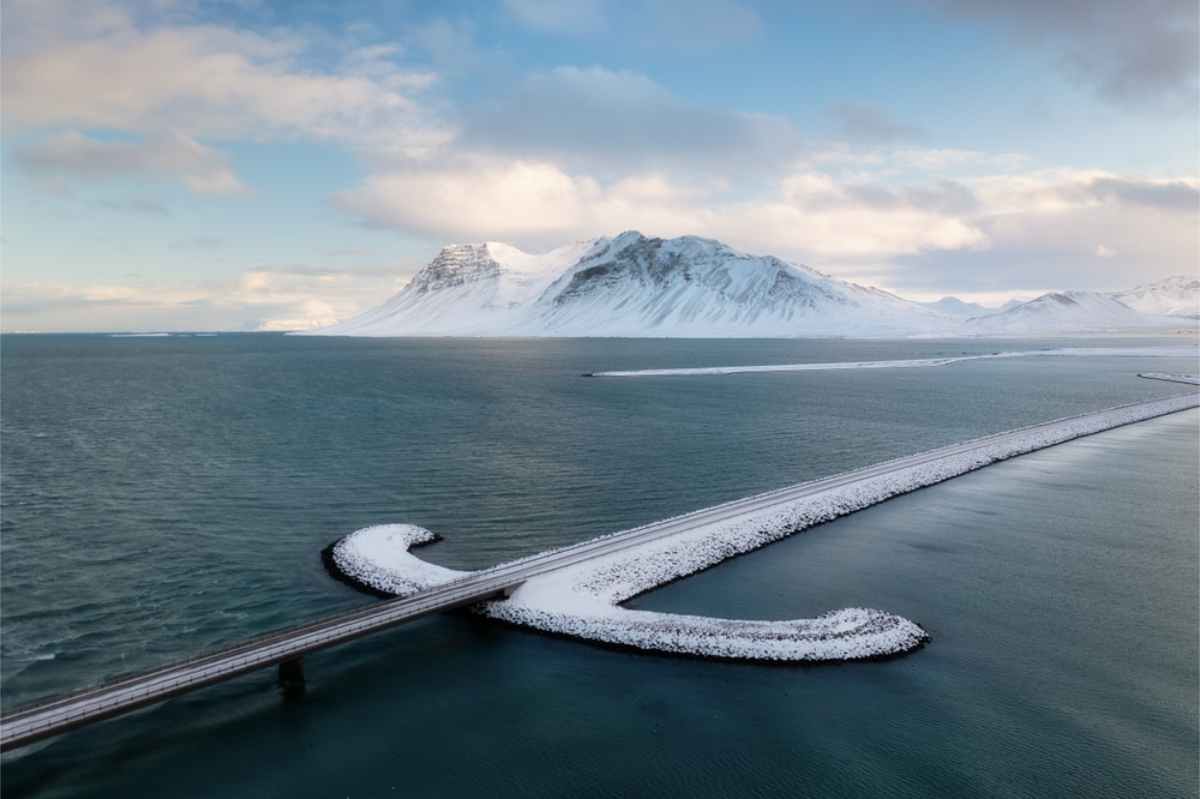
Route 1, better known as the Ring Road, loops around Iceland for about 1,322 kilometers (820 miles). It's the country's main highway, connecting Reykjavik to just about everywhere you'd want to go. And yes, it's mostly paved, easy to follow, and built for road-tripping.
You'll pass waterfalls like Seljalandsfoss and Skógafoss, glide past glaciers, cruise by black sand beaches, and maybe even spot some puffins if the timing's right. It's not just a road—it's the best excuse to pull over every 10 minutes.
Most people take 7 to 10 days to do the full loop. Could you drive it in under 20 hours? Technically, sure. But why rush it? The road works great for campervans, with plenty of campervan sites in Iceland dotted all along the route. No 4x4 is needed unless you're heading off the main track.
Best Campsites Along the Ring Road – Region by Region
Some spots are gold. Others? Just a patch of grass and a questionable toilet. If you're driving the Ring Road, where you stay matters more than you think. The right campsite means shorter drives, better views, and actual hot water. Here is a list of our favorite and recommended campsites according to region.
Top Campsites in South Iceland
Vík Campsite
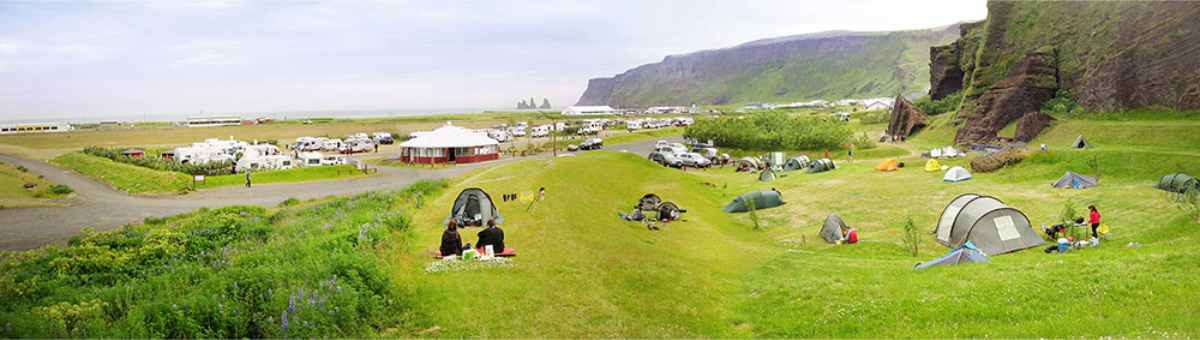
Looking for campgrounds in Iceland near the action? Camping Vik has got you covered. It's just outside the village, so you can grab food or fuel without going far. No booking is needed, even in peak season.
They've got space for about 250 people, but it never feels packed. If you're in a campervan, you'll find what you need: power hookups, showers, working toilets, Wi-Fi, and somewhere to empty the gross stuff. Showers cost about $2.
Camping's around $16 per person, and electricity is $8. Open from mid-May to late November, it's one of the easier, stress-free stops in South Iceland. Clean, reliable, and everything you need is right there.
Skaftafell Campground
Skaftafell campground is one of the largest and most reliable stops for an Iceland camping trip. The campground stays open all year, with Zones A and C available during winter.
You'll find loads of space for tents, plus a section just for campervans and trailers. Power outlets are available, and all the essentials are there: showers, toilets, spots to wash dishes, laundry, and clean water inside.
Water outside is off until mid-May due to frost, but indoor access is available. Expect to pay around $22 per person. No indoor kitchen here, but nearby seasonal restaurants help fill the gap.
Svinafell Campground
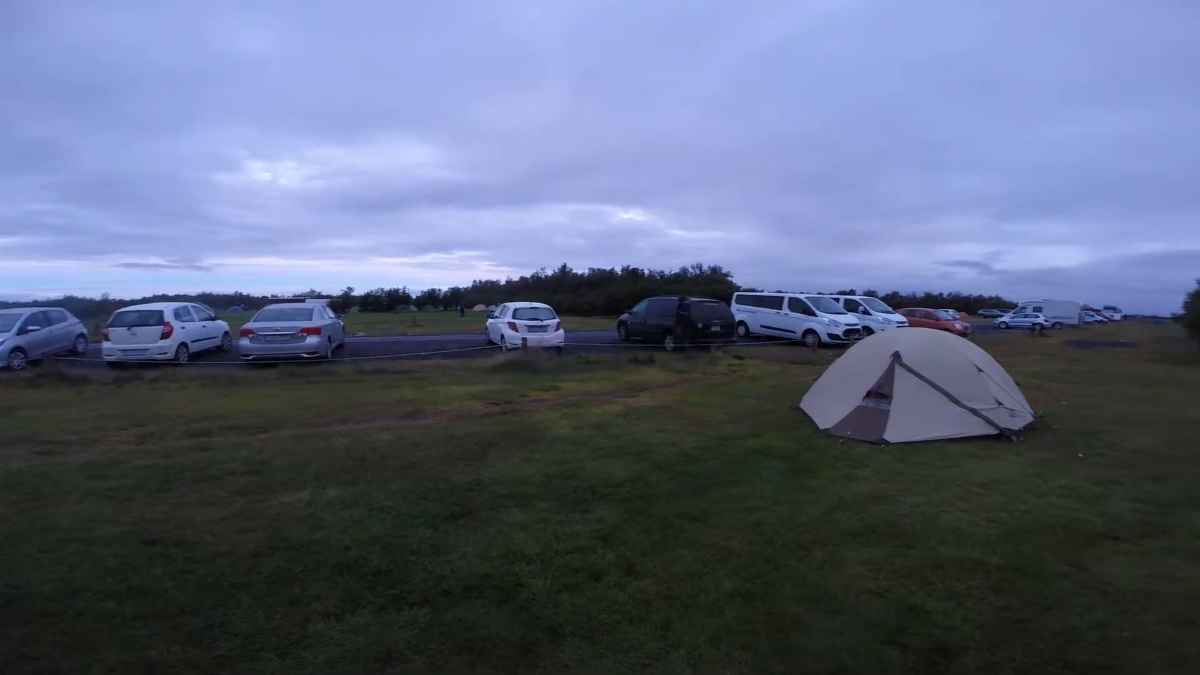
Svinafell is one of the quieter campgrounds in Iceland along the Ring Road, tucked near Hof and just a short drive from Vatnajökull National Park, Jökulsárlón, and Diamond Beach. It's simple, with nothing fancy. You'll get access to hot showers, a common area, and a kitchen space (just bring your own utensils).
No electricity for campervans here, so plan accordingly. The service building has everything you need to clean up and cook. You'll pay about $18 a night, and kids under 13 stay free. No need to book ahead. Just show up, find your spot, and take in the quiet vibe.
Top Campsites in East Iceland
Camp Egilsstadir
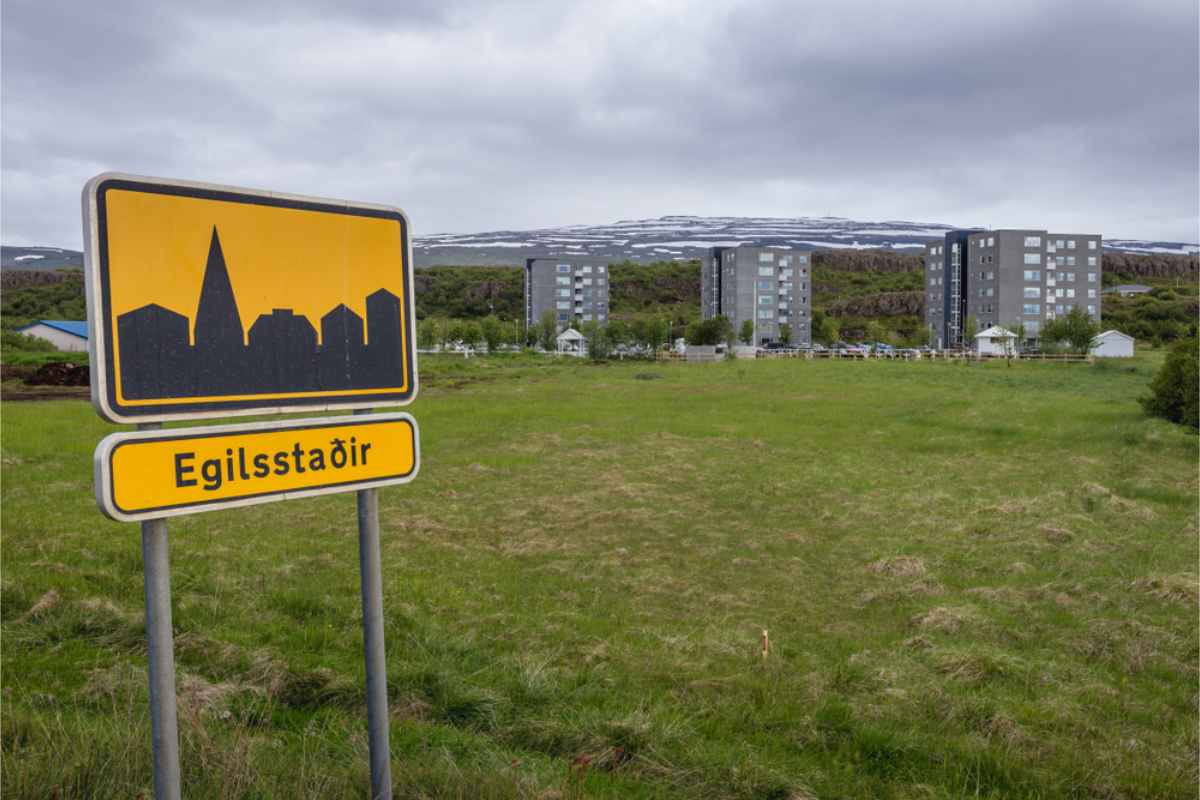
Camp Egilsstaðir is open year-round and earns its spot among the best campsites in Iceland. In summer, you'll need to book online. In winter, it's more relaxed. Pay at reception, use the honesty box, or go self-service.
Zone P stays open through the colder months. Showers and toilets are included for campers and available 24/7. The site has 7 showers, 8 toilets, and a wheelchair-accessible bathroom.
Laundry is 10 bucks per load, detergent included. There's indoor and outdoor dishwashing, a cozy kitchen area, free WiFi, and even a play area for kids. Adult camping costs about $22. Kids stay free.
Djúpivogur Campsite
Djúpivogur is one of those Iceland Ring Road campsites that's easy, scenic, and well-equipped. The view over the harbor is a bonus, and everything you need is within 500 meters (about 1,640 feet).
You'll get access to toilets, showers, cooking space, laundry, electricity, and even a playground. It's open year-round, though winter months (December to February) have limited services.
Prices run about $16 for adults, electricity is $11, and showers cost around $2. Kids under 14 stay free. Your third night? Also free. Check-in and pay at Hotel Framtíð just up the road.
Berunes Campsite
Berunes is one of the best camping spots in Iceland if you're after peace, views, and a local feel. This small, family-run campsite sits by the fjord with mountain views you won't forget.
It has a few electricity spots for campervans, grassy tent areas, free Wi-Fi, and basic but clean restrooms. Showers, kitchen access, and laundry cost around $8 per use. There's water for refills, black and gray water disposal, and even a charging station.
Prices start at about $16 per adult. From June to September, their restaurant and bar is open daily. It's a quiet gem at 64°N, 13.8°W.
Top Campsites in North Iceland
Hamrar Campsite (Akureyri)
Hamrar sits just outside Akureyri in a peaceful forest setting, making it one of the top picks for camping in Iceland on the Ring Road. You'll get full-service comfort with hot showers, clean toilets, laundry, Wi-Fi, cooking space, and even a playground and boat rental.
It's open all year, though from November to April, you'll need to contact the warden for access to the facilities. During summer, everything runs like clockwork. Prices come in at around $18 per adult.
The location is perfect. Close to town but surrounded by trees. If you want to be surrounded by a forest without skipping the basics, this is it.
Hlíð Campground (Lake Mývatn)
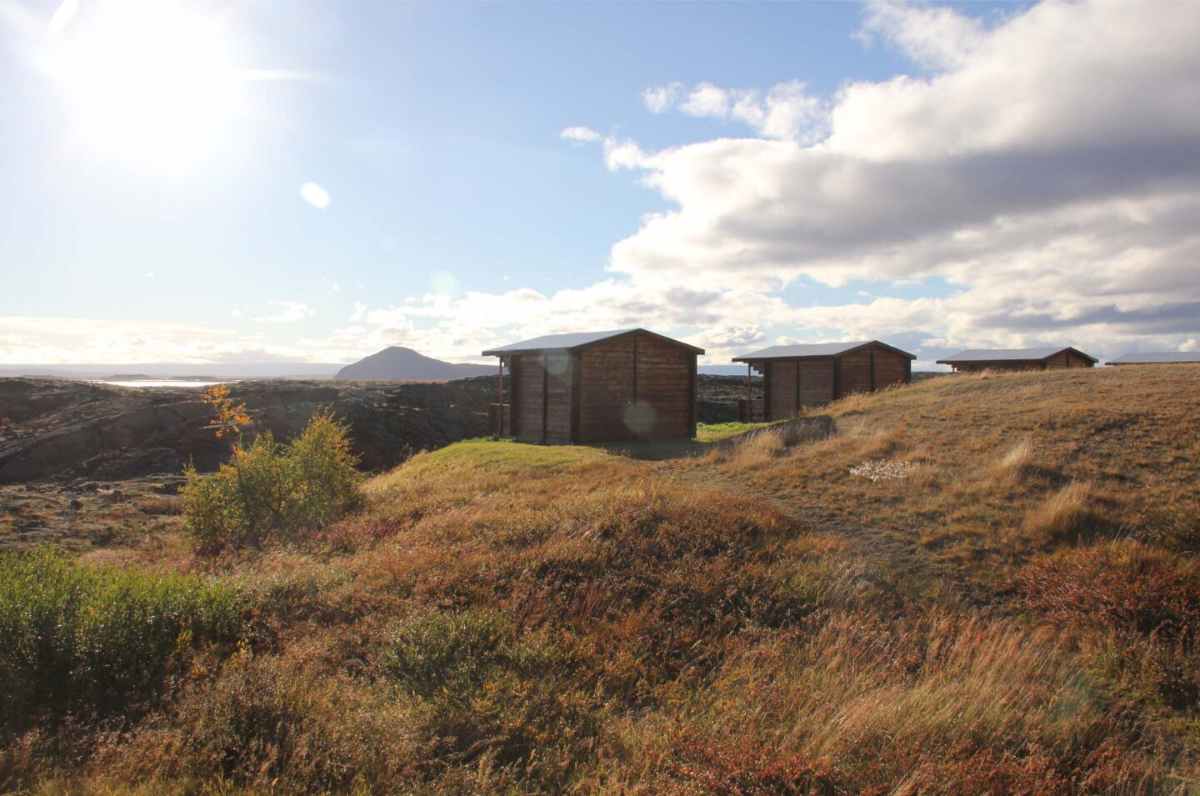
If you're after quiet places to camp in Iceland, Hlíð near Lake Mývatn delivers. Set in a nature reserve with views over the lake, it's all about space, scenery, and simplicity. No marked plots, no crowded rows.
Just pick your spot and settle in. You can pull in with a tent, a campervan, or a caravan. The essentials are covered. Hot showers, toilets, a kitchen tent, Wi-Fi, and spots to plug in. There's even breakfast, bike rentals, and a mini shop for last-minute snacks.
The feeling here? Rustic but comfortable. The price is around $21 per adult. No booking is needed. Just roll in and enjoy the wilderness.
Laugar Camping
If you're after quiet places to camp in Iceland, Laugar is one of those easygoing campsites in Iceland along the Ring Road where you just roll in, scan a QR code, and set up shop. It's open from June 1 to September 15 and sits near a river with electricity available right by the water.
You'll find hot showers, clean bathrooms, Wi-Fi, and waste disposal for campervans. Prices come in around $16 per adult, $13 for seniors, and electricity is about $7. No charge for kids under 14.
There's also a swimming pool, a golf course, walking trails, and even a jumping pillow if you're feeling bouncy. Simple, relaxed, and well-placed.
Top Campsites in West Iceland
Borgarnes Campsite
Borgarnes is one of the more convenient campgrounds in Iceland along the Ring Road, sitting just off Highway 1 as you head north out of town. The site is calm and well-kept. You won't need to go far. Shops, gas, food, a pool, and even a golf course are all nearby. It's easy and low effort.
It also has toilets and electricity, with basic but decent facilities. Prices are around $16 for adults, $12 for seniors, and $10 for electricity. Kids under 14 stay free. There's an age limit of 20 and up, so the atmosphere stays chill. Group bookings are welcome for 15 units or more.
Reykjavík Eco Campsite
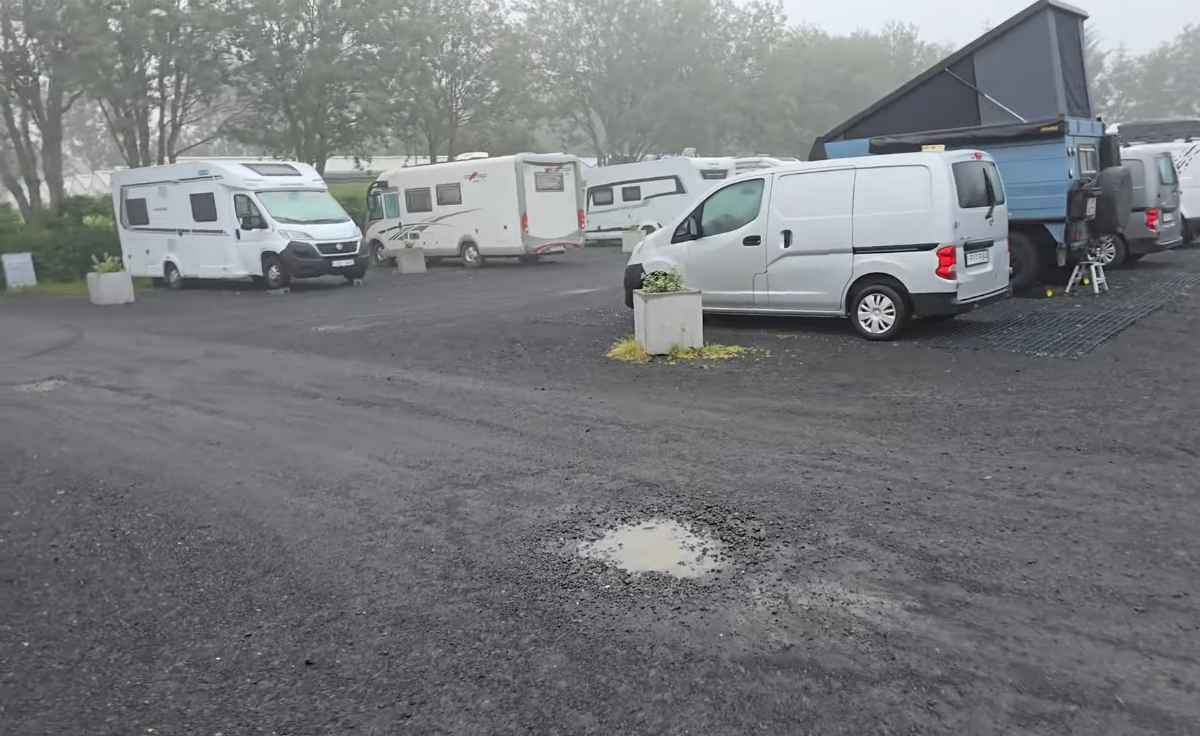
Reykjavík Eco Campsite is one of the best campsites in Iceland if you want city access without giving up your camper. Just 2 km (1.2 miles) from downtown, it's open all year and eco-certified, so you're keeping things green while you explore the capital.
There are dedicated zones for small campers and RVs. A night in a camper without electricity costs about $28. With 16A electricity included, it's around $42. The facilities are modern, the location is super convenient, and you're close enough to walk into town but far enough to still feel like you're camping.
Mosskógar Campsite
Mosskógar is one of those campgrounds in Iceland that gives you nature without putting you hours from Reykjavík. It sits in a quiet grove out in Mosfellsdalur, with trees all around and barely a breeze. The place feels calm and simple. You'll find working showers, flushing toilets, a small kitchen, power hookups, and laundry if you need it.
You've got showers, toilets, a kitchen area, electricity, and laundry. Camping costs about $20 per adult, with free WiFi and hot showers included. It's open from March to December.
Nearby, you'll find walking trails, a horse rental, a golf course, and even a museum dedicated to Iceland's Nobel Prize winner. Bonus: There's a veggie market on Saturdays.
Campervan-Friendly Amenities to Look For
Some Iceland Ring Road campsites are excellent. Others? Not so much. Before you pull in for the night, check the basics. You'll want working toilets, hot showers, and a flat spot to park without sliding into your neighbor's door.
Then check for extras like electricity hookups (most use 16A), greywater disposal, and freshwater refill points. A shared kitchen can be a lifesaver when the wind's too wild to cook outside. Laundry and WiFi? Always a bonus.
Some sites even have covered dining areas or lounges. If you're traveling in colder months, make sure the campsite stays open past September and has indoor facilities.
How Much Do Campsites Cost in Iceland?
You'll most likely fork out around $15 to $25 a night, depending on the campsite. Showers might cost a few bucks extra. Electricity? Usually $7 to $10. Kids often stay free.
Do You Need to Book Campsites in Advance?
Most campsites in Iceland don't require booking in advance, especially outside Reykjavík. You just show up, pay on-site or scan a code, and settle in. That said, popular spots in peak summer can fill up, so booking ahead for places with electricity or near big attractions isn't a bad idea.
Is the Iceland Camping Card Worth It?
If you're camping for more than a week, the answer's probably yes. The camping card costs around $187 and lets two adults (plus up to four kids) stay at over 40 campsites for up to 28 nights.
Sounds like a steal, right? Just know it doesn't include every site, and you'll still pay for extras like electricity and showers. If you're the type who likes planning ahead and sticking to a route, it's a solid deal.
Prefer to wing it or hit more remote spots? Paying per night might suit you better. It all depends on your style.
Tips for Using Campsites with a Campervan
Campervanning in Iceland is easy once you get the hang of how campsites work. First up, dump your grey water and refill fresh water before leaving each site. Some spots don't have both, so staying topped up matters.
Electricity? Most sites use 16A hookups, so bring an adapter and park close. Arrive before 7 p.m. to claim the best spot, especially during summer. Keep your cooking gear handy, and if there's a shared kitchen, clean up like your mom's watching. Showers are often coin-operated, so keep a few hundred krónur ($2 to $4) on hand.
Don't rely on campsite Wi-Fi. It exists, but don't count on streaming anything. Most campsites are self-check-in, so scan the QR code or head to the warden's hut. And please, no wild camping. With nearly 200 campsites around the island, there's always a legit place to park, sleep, and recharge.
7-Day Campervan Itinerary with Campsite Suggestions
This itinerary isn't trying to cram everything into a blur. It's about real drive times, big sights, and campsites that actually work for campervans. You'll hit waterfalls, glaciers, and small towns without sleeping in a parking lot or racing the sun.
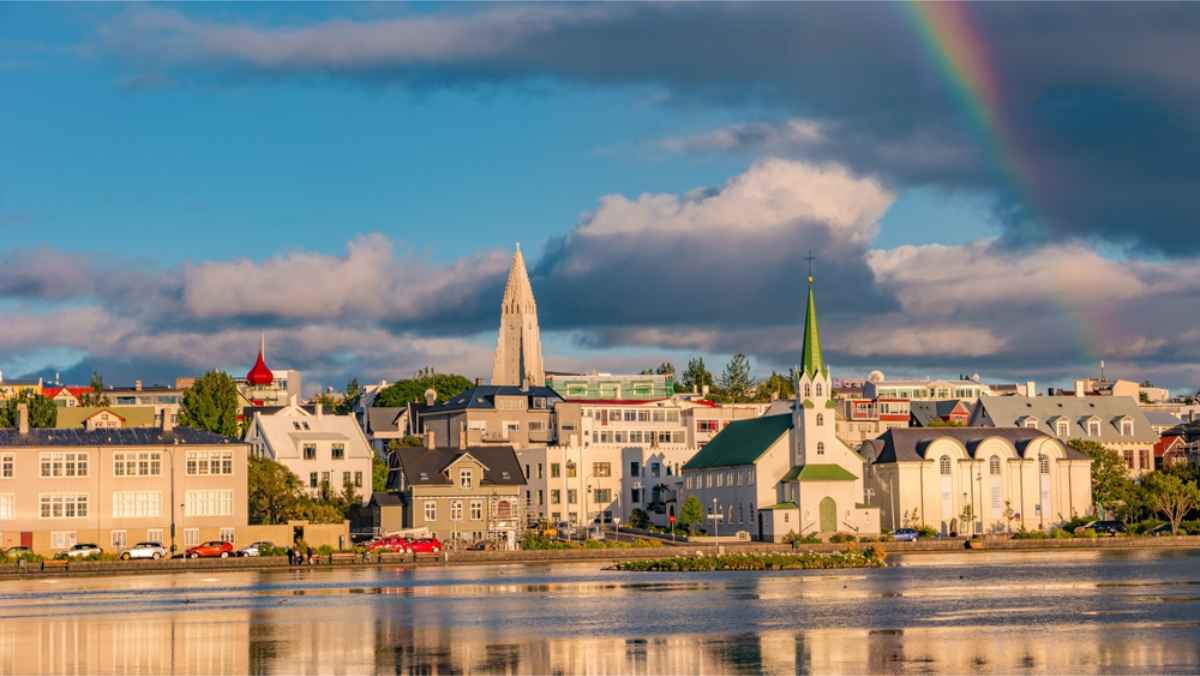
Day 1: Reykjavík to Vík
190 km / 118 miles
- Seljalandsfoss, Skógafoss, Dyrhólaey, and black sand beaches. All in one drive.
- Camp at: Vík Campsite. Walkable, easy, and has what you need.
- Tip: Stock up on groceries in Reykjavík. Options drop off fast after Selfoss.
Day 2: Vík to Skaftafell
140 km / 87 miles
- Hit Fjaðrárgljúfur Canyon, then head into the park for hikes or glacier views.
- Camp at: Skaftafell Campground. Showers, laundry, and you're sleeping next to the trails.
- Tip: Want a powered site? Don't arrive late.
Day 3: Skaftafell to Egilsstaðir (via Höfn)
377 km / 234 miles
- Jökulsárlón, Diamond Beach, then cruise the fjords. Long day, but scenic all the way.
- Camp at: Egilsstaðir Campsite. Reliable, roomy, and close to everything.
- Tip: Morning is best for the glacier lagoon. Hit Höfn's pool if you need a break from the road.
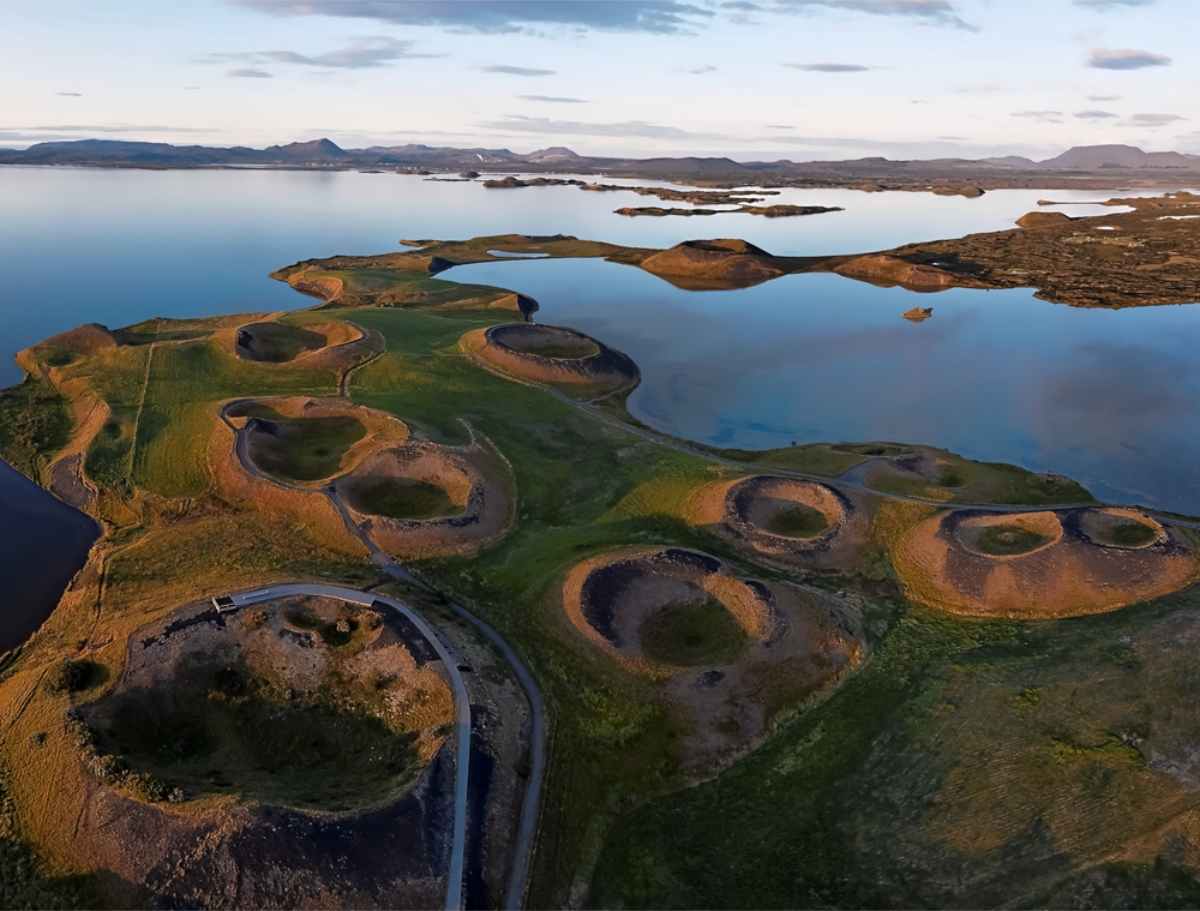
Day 4: Egilsstaðir to Lake Mývatn
175 km / 108 miles
- Cruise through empty highlands and lava fields. Swing by Möðrudalur for a coffee, and if the road's good, take the turn to Dettifoss.
- Camp at: Hlíð Campsite. No numbered spots, just pick your patch of nature.
- Tip: End your day in the Mývatn Nature Baths. Less touristy than the Blue Lagoon, same geothermal soak.
Day 5: Lake Mývatn to Akureyri
74 km / 46 miles
- Stop at Dimmuborgir and Godafoss on the way. Akureyri's a proper town, so it's a good time to stock up and reset.
- Camp at: Hamrar Campsite. Forest, space, working showers, the whole deal.
- Tip: Don't miss the local swimming pool. Clean, cheap, and has hot tubs that actually steam.
Day 6: Akureyri to Borgarnes
314 km / 195 miles
- You'll drive through horse country and past bubbling springs. Stretch your legs at Barnafoss or Deildartunguhver.
- Camp at: Borgarnes Campsite. Basic but decent, with town stuff nearby.
- Tip: Sunset here is amazing if the clouds don't ruin it. There's a bakery and a pool within walking distance.
Day 7: Borgarnes to Reykjavík (or Keflavík)
75 km / 47 miles to Reykjavík
117 km / 73 miles to Keflavík Airport
- Drive back without rushing. If you've got time, stop at Akranes Lighthouse or grab a swim in Hvalfjörður.
- Optional stop: Reykjavík Eco Campsite. Great location if you're ending your trip in the city.
Tip: Fill up your fuel and water before heading to the airport. Camper drop-offs don't always make that clear.
Frequently Asked Questions About Ring Road Camping
Why is wild camping illegal in Iceland?
Too many tourists trashed the landscape. So, in 2015, Iceland banned wild camping in vehicles to protect nature and keep people from parking wherever they please.
How many days do you need for the Ring Road in Iceland?
Seven to ten days works best. You can rush it in less time, but you'll miss a lot. More days mean more stops, a slower pace, and fewer regrets.
How much do Iceland campsites cost?
Most campsites cost $15 to $25 per adult. Extras like showers or electricity add a few bucks. Kids often stay free.
Do you need a 4x4 for Iceland's Ring Road?
Nope. The Ring Road is paved and easy to drive year-round. If you're sticking to it, a regular car or campervan will do just fine.
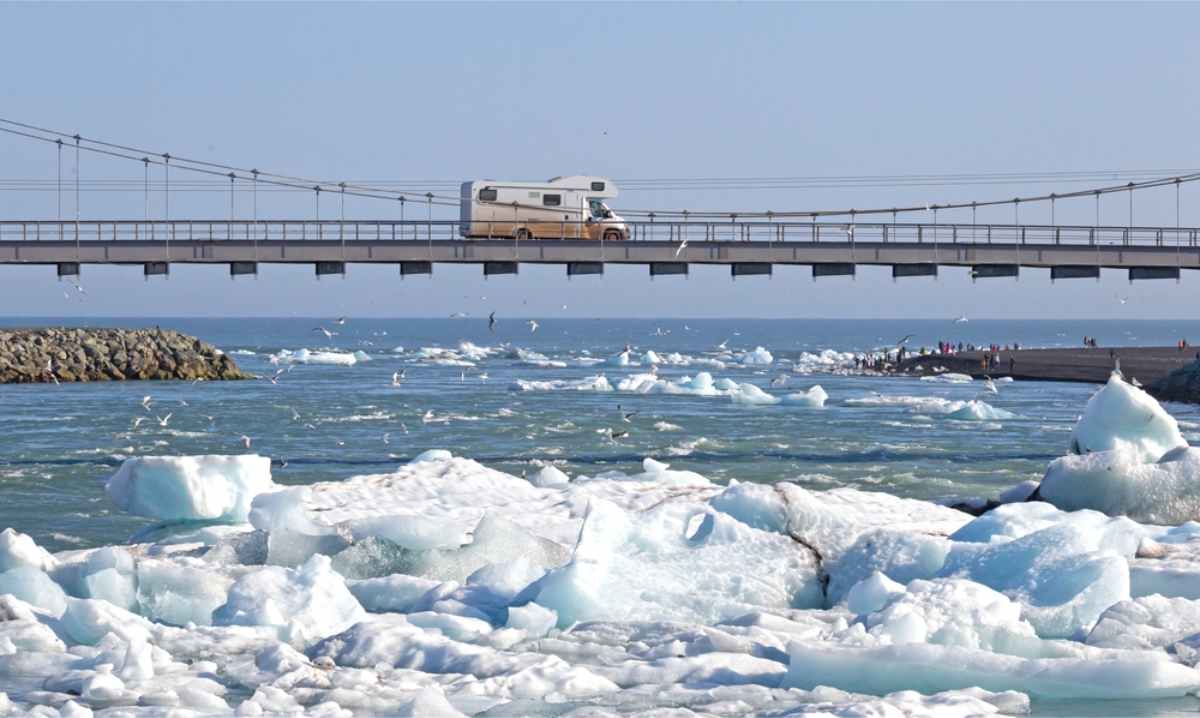
Why Iceland's Ring Road Campsites Make Vanlife Simple
Iceland ring road campsites take the stress out of vanlife. You don't need to overplan or worry about where to sleep. Facilities are solid, views are unreal, and you're never far from your next stop.
Whether you're chasing waterfalls or soaking in hot springs, these sites keep you close to the action. Rent your campervan in Iceland through us and hit the road with zero fuss. Bonus? If you're traveling in winter, we throw in winter tires for free.
That's one less thing to think about and one more reason to start your trip right.


