
 By
By
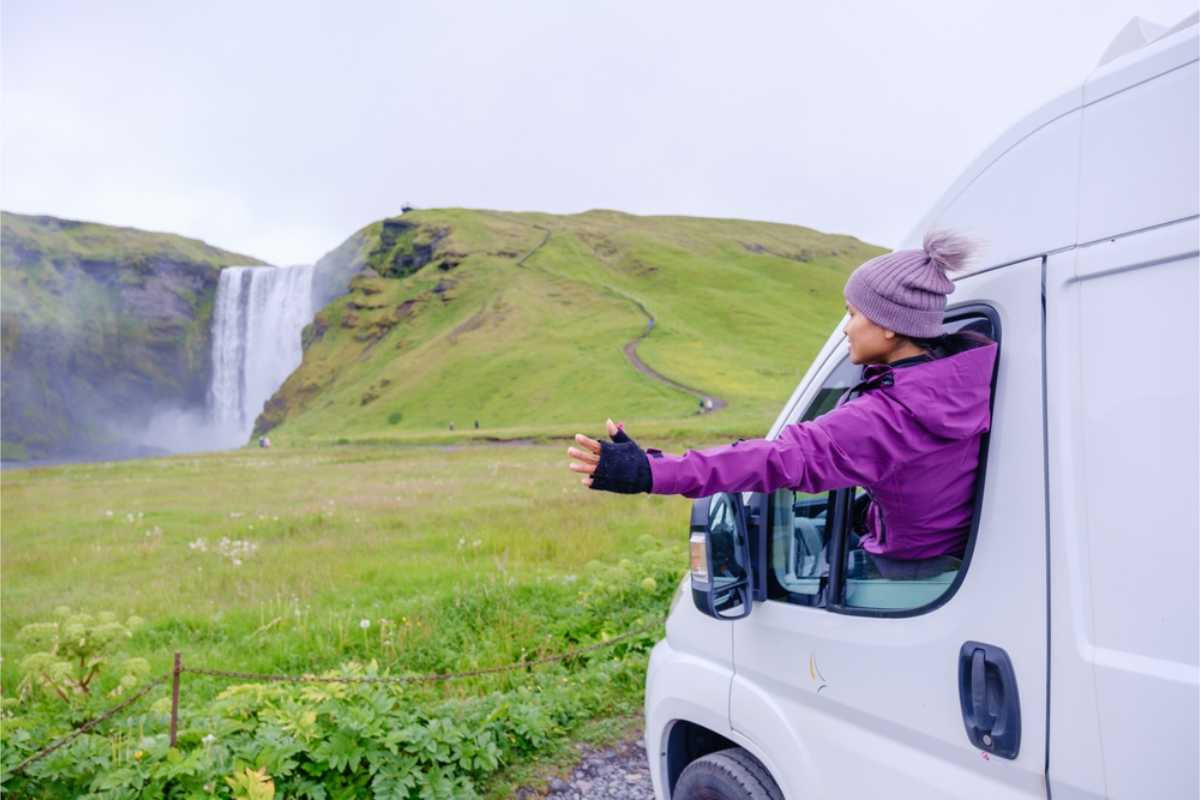
Camping in Iceland can be a great way to see the country and maintain greater flexibility to get the most out of your trip. However, it’s important to note that you must stay in campgrounds every night. You can’t just choose a spot that looks good and stop for the night. Having an Iceland campsites map is the first step in making sure you know where you can and can’t stay.
This Iceland camping guide will help you find the best campsites in the country and plan your route accordingly.
Why Use the Iceland Campsites Map?
When you’re renting a campervan in Iceland, you must stay in designated campgrounds, whether you’re driving the Ring Road, heading into the highlands, or staying focused on one region. The Iceland campsites map is your ideal resource to find campgrounds near your location so you can plan your days. You’ll know exactly where the campsites are located and can avoid scrambling to find a place at the end of the day.
With a map of campsites in Iceland, you can see campsites by region and plot your potential stays. The good news is that even if you plan where you want to stay each night, there’s nothing stopping you from changing your destination on the fly.
Types of Campsites in Iceland
There are many types of campsites in Iceland, giving you plenty of choices to meet your needs and budget. In general, Iceland camping sites can be categorized into three primary types:
- Basic Campsites: Basic campsite typically cost less, but in exchange, they are less developed and have fewer amenities available. Most of these campsites will at least have a toilet to use. They are more likely to be found in more remote or out-of-the-way locations.
- Standard Campsites: Standard, or mid-range, campsites often have more amenities, like shower houses, laundry machines, and sometimes kitchen facilities. These campgrounds are more comfortable and likely to be found near some of the more popular tourist destinations.
- Premium Campsites: If you want a more luxurious experience, premium campsites have what you need. These campgrounds have amenities like hot tubs, electricity hookups for RVs, and on-site dining options, instead of just kitchen facilities. These sites will cost more, but can give you a more comfortable camping experience.
In most cases, as you drive around the country, you will find yourself using a variety of campgrounds based on your location.
How to Use the Iceland Campsites Map
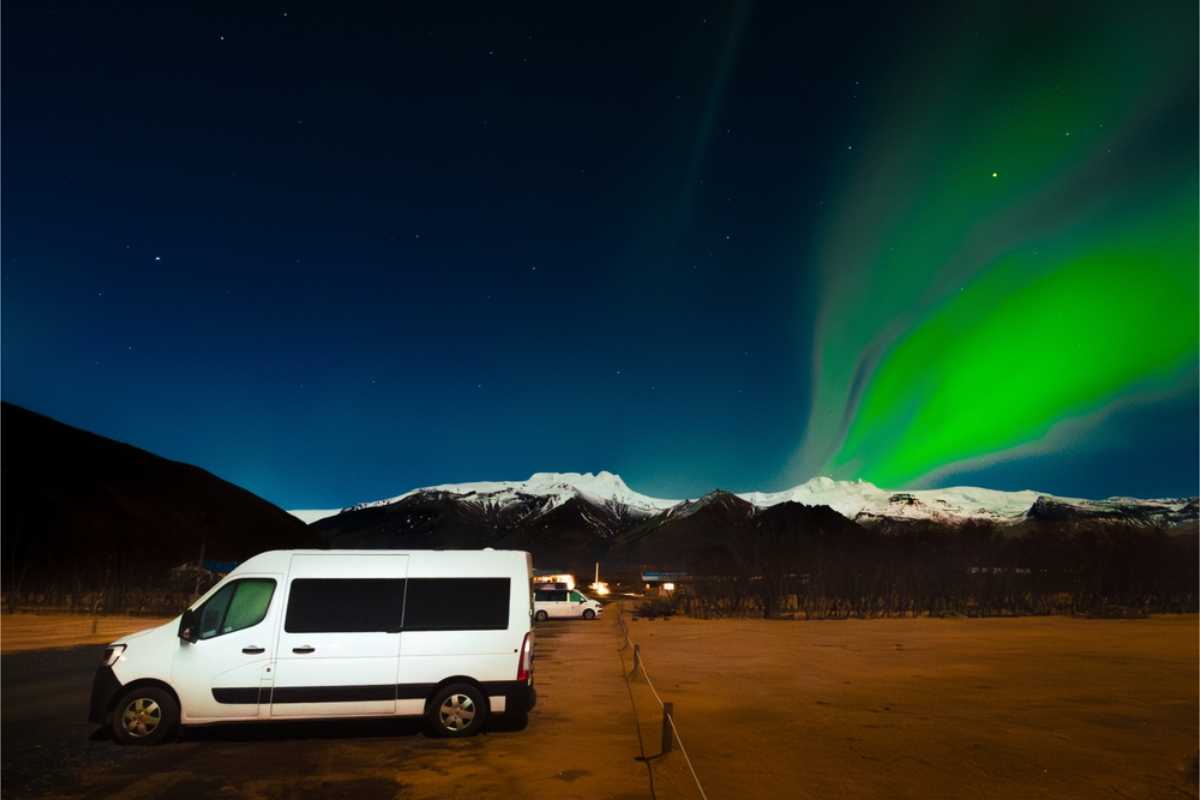
The Iceland campsites map was created to be easy to use, so you can find the right campground based on location, seasonality, and other factors.
However, it’s also important to note that you should also use other valuable resources when planning where to stay, including monitoring the weather and road conditions. The following tips will help you use the campsite map to its fullest:
- Plan Your Route: Before you even arrive in Iceland, locating Iceland camping sites is useful so you know approximately where you need to end up each night. If you’re planning a full loop, start with our comprehensive Ring Road Guide.
- Check Available Facilities: The facilities available at each campsite will shape your experience. If you need to do laundry during your trip, look for campgrounds with laundry facilities. Kitchen access can make it easier to prepare meals. On-site shower facilities can make your stay more efficient.
- Consider Reservations: Many Iceland campsites don’t take reservations, but that doesn’t mean you never have to make one. Do your research on which campgrounds are more popular and may require a reservation, especially during peak season. However, if you fail to get a reservation at the campground of your choice, the Iceland campsites map will help you find another one close by that has availability.
- Check Accessibility: The location and type of campground can dictate its accessibility. Some are located along F-roads that will require a 4x4 campervan or larger vehicle. Others may not have good access for full-size motorhomes.
As you choose campgrounds you would like to stay in from the map, be sure to cross-check the information with Google Maps, the road conditions website, and the Vegagerðin paved road website. These checks will ensure you have a campervan or motorhome equipped for the roads you must travel.
A Regional Breakdown of Campsites
Each region has a long list of campsites from which to choose, but keep in mind that many of them are only open during the summer. If you’re visiting during other seasons, you will need to check which ones are open as you plan your journey. Once you find the best campsites in Iceland, you’ll be able to start filling in your self-drive itinerary.
Reykjavík & Capital Area
There are a few campground options in Reykjavík and the Capital Area. Because of the proximity to the city, they are often quite busy and are among the few that require reservations, particularly in the summer. They have excellent facilities and offer convenient access to the city and everything it offers.
These campgrounds are perfect for first and last-night stays, along with families who want to be close to the city for convenience.
South Iceland Campsites
The South Coast is one of the most traveled parts of Iceland, which means you’ll find many campgrounds throughout the region. Because these campgrounds are often used, they typically have a larger capacity and more amenities, especially if they are close to the most popular sights.

Be sure to check which ones fill up so you can book those ahead if you want to stay. Vík and Skaftafell fill early in July and August, often before 16:00, so plan ahead or continue to Kirkjubæjarklaustur. Facilities vary more than expected.
Skaftafell, for example, has no kitchen, while Vík does. Expect to pay $15-$25 per person, with electricity costing an additional $5-$8. The Camping Card has limited coverage here. Reykjavík, Selfoss, and Skaftafell are the most reliable year-round options, with reduced services in winter.
West Iceland & Snæfellsnes
This region is another well-traveled region with plenty of campgrounds scattered throughout. Many of these Icelandic camping sites feature breathtaking landscapes. The facilities available will vary, from bare-bones campgrounds with not much more than toilets to fully equipped campgrounds with something for everyone.
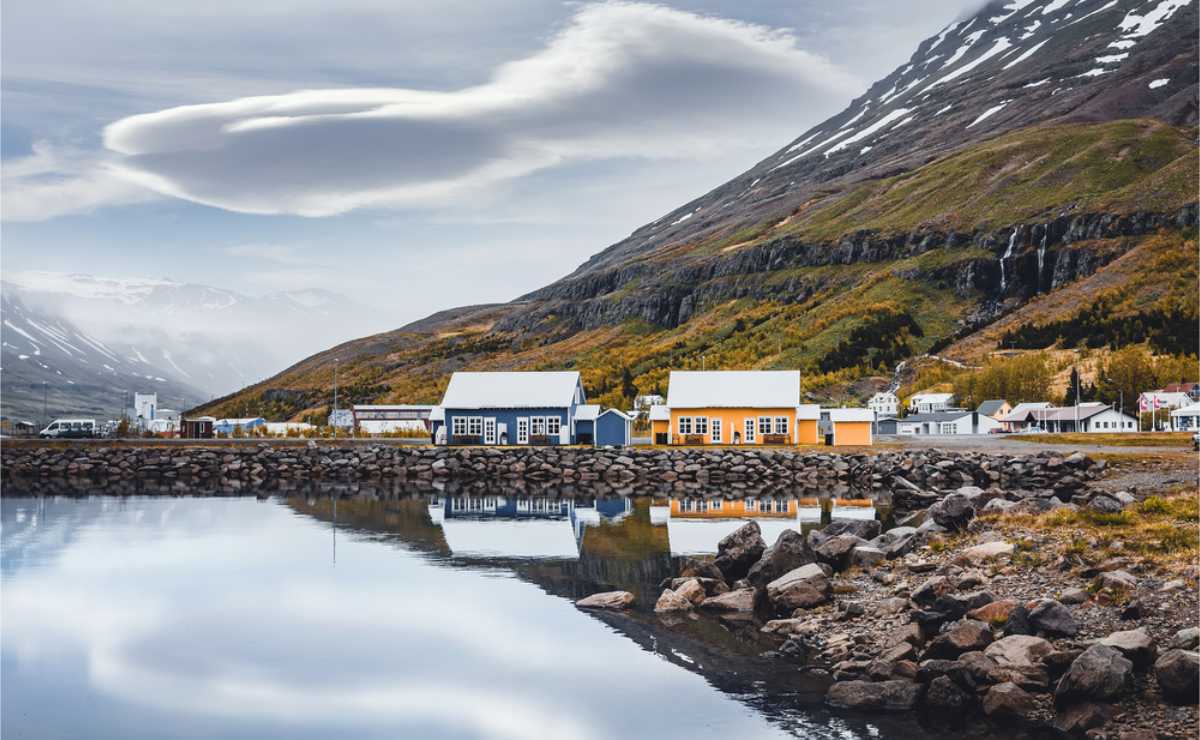
This region sees less pressure than the South Coast, and campsites usually don’t fill completely, even in peak season. Prices can go from anything between $12 to $20 per person, and the Camping Card is accepted at several campsites in this region.
Because sites across Snæfellsnes are spread out, you have more flexibility and don’t need to commit to one stop too early. Some campsites, such as Hellissandur and Arnarstapi, are more basic but well located for nearby attractions. Campsites around Borgarnes are among the more reliable year-round options, although services may be limited.
Westfjords Campsites
If your campervan journey takes you to the Westfjords, you’ll find one of the most untouched regions in the country. The remote campgrounds here are unforgettable, giving you a more wilderness-style camping experience with simple facilities and gravel roads leading to them. Keep in mind that most campgrounds in this region are only open during the summer since winter is harsh here.
Distances between campsites are much longer here, so planning fuel stops often matters more than choosing a specific campsite. Prices are typically lower than in other regions, averaging $10-$18 per person.
A camping card won’t benefit you that much in this region, since it is not widely accepted and lots of campsites close mid-September. Road conditions play a bigger role in where you stop, as gravel roads and fjord routes slow travel more than expected. Campsites rarely fill up, even in summer, so availability is not usually a problem.
North Iceland
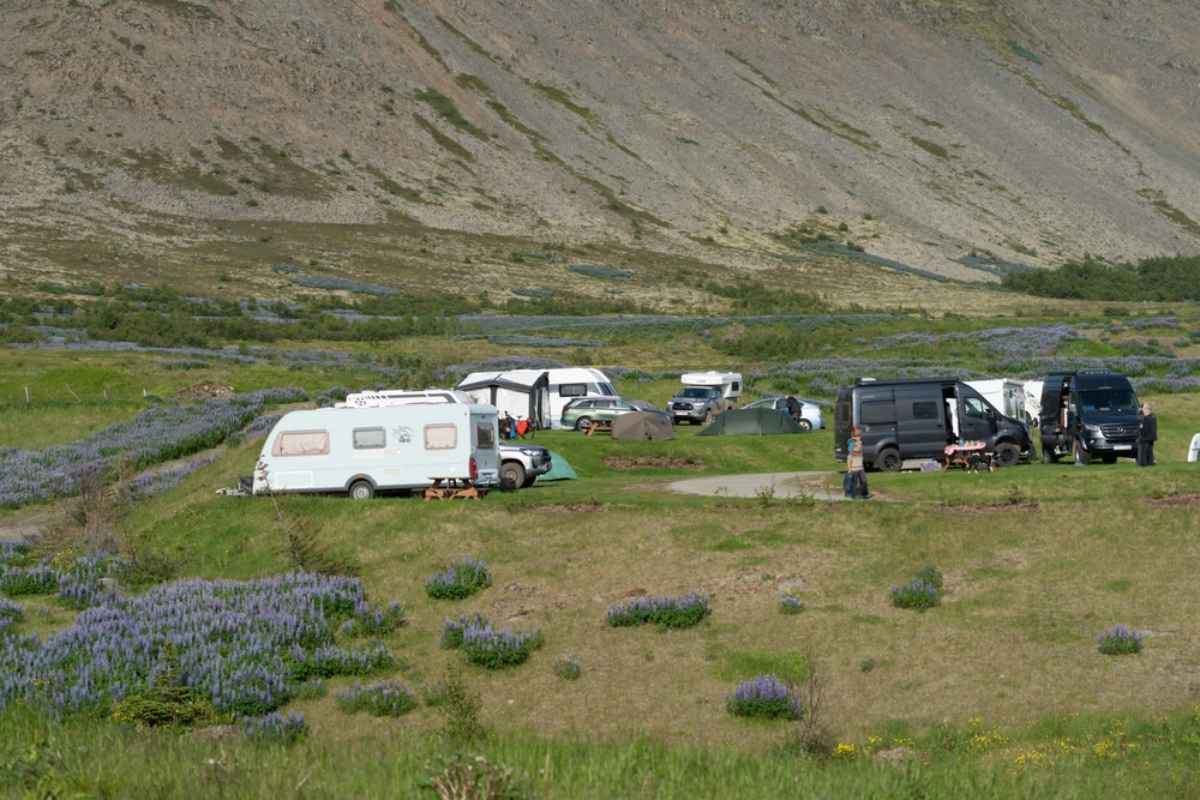
As you make your way through the north, you will find campgrounds situated in a diverse landscape, from geothermal hotspots to dramatic canyons to remote fishing villages. Many campgrounds here have excellent facilities, but due to the unique climate in this part of Iceland, many can be expected to be closed during the winter months.
Akureyri is a useful stop in this region, offering a well-equipped campsite with showers, laundry, and nearby services. The Camping Card is accepted at several sites in the north, making it a practical option for longer stays.
Around the Mývatn area, campsites can fill quickly, particularly near geothermal attractions, so arriving earlier in the day is recommended. Wind exposure can also be a factor, and more sheltered sites are often the better choice. Expect to pay anything from $12-$22 per person. There are about 3-5 year-round campsites in this region, making it a good choice if you’re coming in shoulder season.
East Iceland and Eastfjords
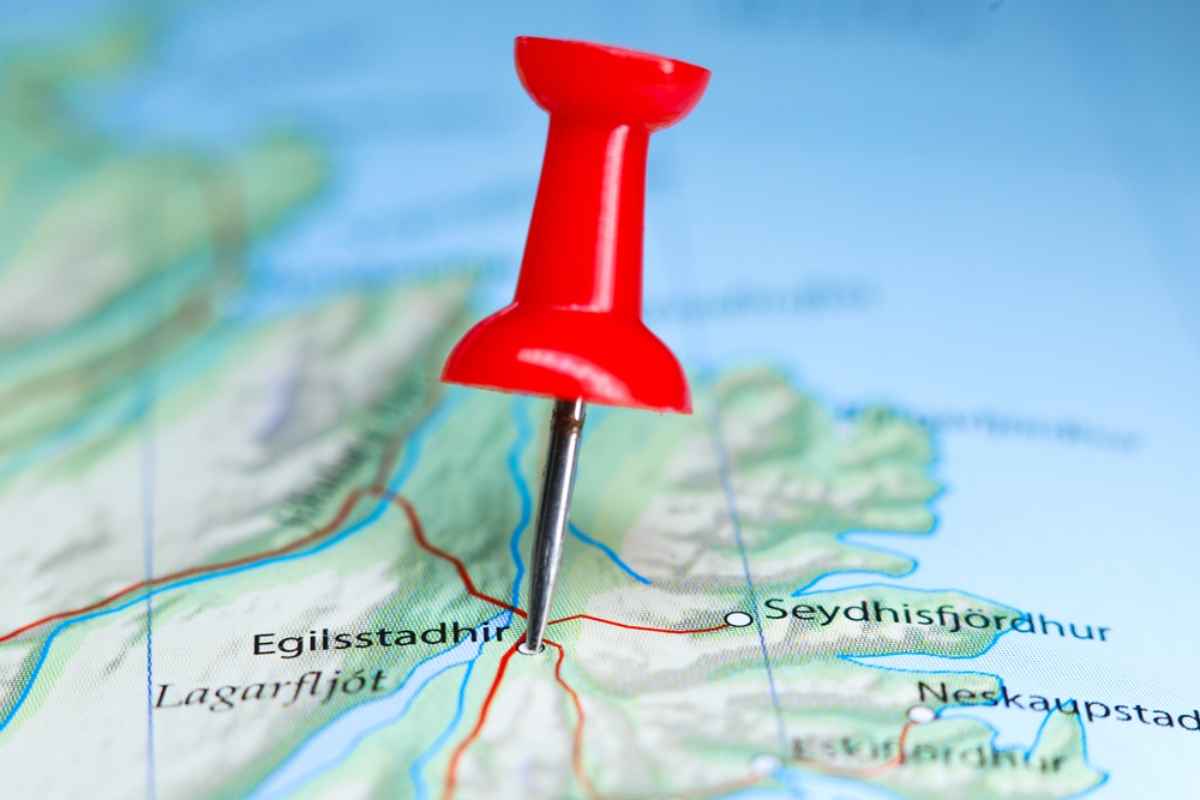
Camping in the Eastfjords tends to be a quieter, more peaceful experience since tourist crowds are lower here. The number of amenities varies widely depending on the campground, but all of them provide a tranquil atmosphere among coastal hikes, wildlife encounters, and small fishing villages. Reservations generally aren’t required here, except in Egilsstaðir.
Prices typically range from $10-$20 per person, and several campsites accept the Camping Card, making it a practical option in this part of the country. Seyðisfjörður stands out for its facilities, including a well-equipped kitchen and a more sheltered layout.
Driving distances can be misleading, as fjord routes take longer than expected. Most campsites close by early September.
Highland Campsites
Camping in the Icelandic highlands is an entirely different experience. First and foremost, you must have a well-equipped camper vehicle. Most of these campgrounds are only accessible via F-roads, many of which have unbridged river crossings.
Facilities are basic, often just toilets and cold running water, but the surrounding landscapes are unbeatable. Keep in mind the highland camping season is very short.
Most campsites are only open from late June to early September, depending on road and weather conditions.
River crossings can limit access, and not all 4x4 campers are suitable for every route. Facilities are very basic, often limited to toilets with no electricity. Prices are generally lower, around $8-$15 per person. The Camping Card is not accepted in the highlands.
Year-Round Campsites
A limited number of campsites remain open year-round. Most campsites are along the Ring Road and in larger towns. These are the most reliable options during winter and shoulder seasons:
- Reykjavík Campsite (Laugardalur)
- Grindavík Campsite
- Hveragerði Campsite
- Selfoss Campsite
- Vík Campsite
- Skaftafell Campsite
- Höfn Campsite
- Egilsstaðir Campsite
- Hamrar Campsite (Akureyri)
- Hlíð Campsite (Lake Mývatn)
- Blönduós Campsite
- Stykkishólmur Campsite
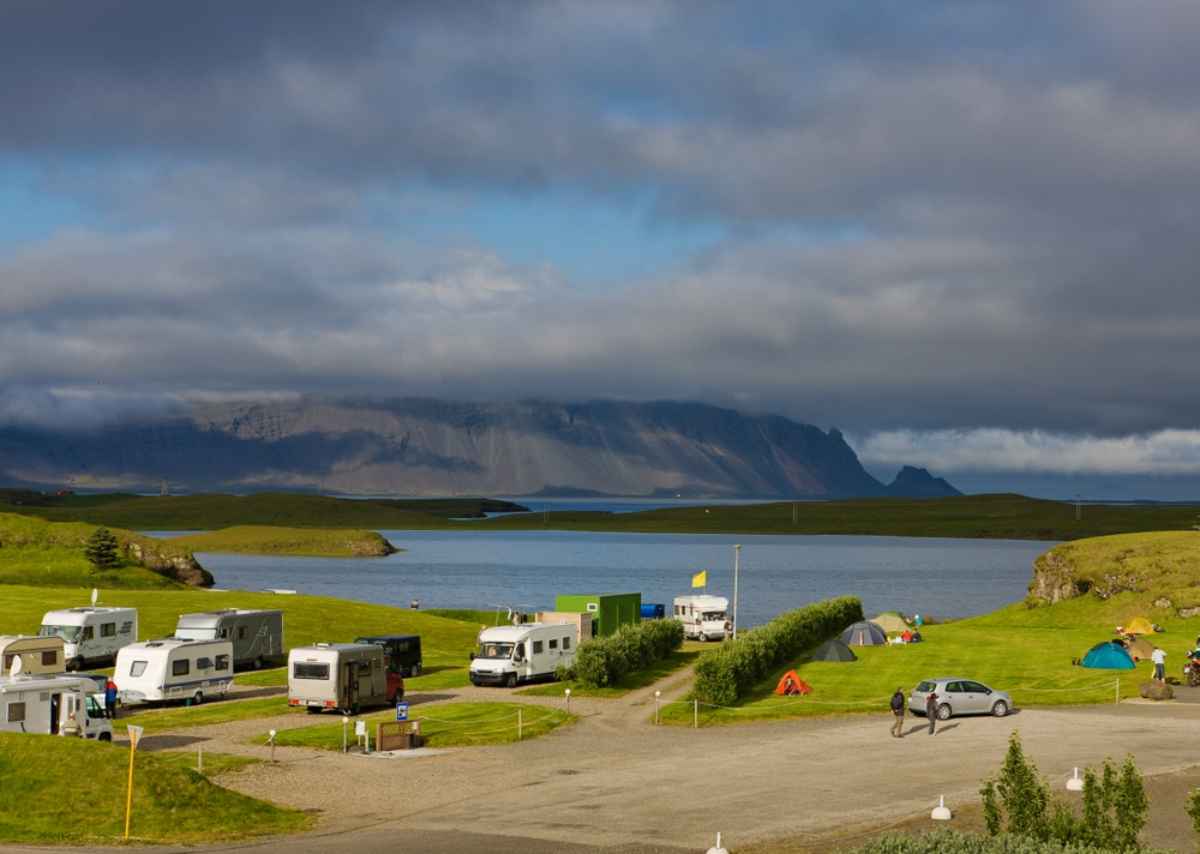
Services are often reduced in winter, and availability can change depending on weather conditions, so it’s recommended to check ahead before arrival.
Average Campsite Costs by Region
If you’re planning your route, campsite prices in Iceland don’t vary dramatically by region, but popular areas tend to be slightly more expensive:
- South Iceland - $20-$30 per person (highest demand)
- West & Snæfellsnes - $15-$25 per person
- Westfjords - $12-$22 per person
- North Iceland - $15-$25 per person
- Eastfjords - $12-$22 per person
- Highlands - $15-$25 per person (limited facilities, but not always cheaper)
Additional costs still apply at most campsites:
- Electricity - typically $5-$8 extra
- Showers - $1-$5 depending on duration
- Overnight tax - small fixed fee per night (about 3-4 USD per night per pitch)
Tips for Finding a Spot in Peak Season
Booking ahead is recommended for popular areas such as the Golden Circle, South Coast, Snæfellsnes, and campsites near Reykjavík, especially from late June to August. In these regions, securing a spot a few days in advance can help avoid last-minute changes.
Many campsites along the Ring Road fill up between 17:00 and 21:00, so arriving earlier in the evening improves your chances of finding a suitable spot. It is useful to have one or two alternative campsites planned along your route, particularly near major attractions where demand is higher. This allows you to adjust your plans more easily if your first choice is full.
Using apps such as Parka or campsite maps can help you check availability and make decisions during the day. Choosing campsites slightly outside the main tourist areas can also make a difference, as these locations tend to have more availability while still offering access to nearby sights.
Most Popular Campsites in Iceland (2026 Picks)
Are you wondering which are the most popular campsites in Iceland? Here’s a breakdown of the top campground option in each area:
Reykjavík Campsite
The Reykjavík campsite is the largest and best-equipped campground in the country and is open year-round. It’s within easy walking distance of pools, parks, and city transportation. The large, flat grassy area accommodates all types of campers and tents, and visitors will have access to various amenities, including hot showers, communal kitchens, Wi-Fi, laundry machines, power hookups, and more.
Vík Camping
The Vík campground offers a convenient stop along the South Coast, close to some of the most popular tourist stops. It has excellent facilities, including showers, restrooms, a kitchen, and electricity, and is located close to town. Visitors enjoy stunning coastal views from their campers. This campground is popular, so you may want to book ahead.
Skaftafell Campground
Located in Vatnajökull National Park, the Skaftafell Campground is a scenic campground with a backdrop of glaciers. Visitors will enjoy hiking trails, restrooms, showers, washing stations, and visitor center services, but keep in mind that there is no communal kitchen here. This campground can be quite busy in the summer months due to its convenient location.
Siglufjörður Campsite
If you’re camping in the north, the picturesque Siglufjörður campsite is found in a small fishing town. You’ll be close to town to enjoy the local herring museum, cafes, and harbor while enjoying great scenery. Facilities include showers, restrooms, and electricity. If you’re looking for a place a little out of the way, this campground checks off all the boxes.
Seyðisfjörður Campsite
In the Eastfjords, the Seyðisfjörður campsite is an excellent option for those who want to stay in one of the country’s prettiest fjords. With colorful houses, waterfalls, hiking paths, and a creative culture, this town has it all. The campground offers showers, restrooms, and cooking shelters for everything a camper needs.
Hellissandur Campsite
Hellissandur campsite is a scenic campground on the Snæfellsnes Peninsula, close to the national park. Visitors will have access to beaches, cliffs, and coastal trails with fantastic views of the surrounding lava fields. The facilities aren’t top-of-the-line, but you’ll still get restrooms, showers, and electricity. It’s a great stop for photographers and nature lovers.
Þakgil
Are you looking for a hidden gem campground? Þakgil is your answer. Tucked into the valleys east of Vík, this secluded campground is located down a gravel mountain road and surrounded by mossy cliffs. It’s a popular place for hikers, photographers, and those who want to get away from the crowds. The rustic facilities include restrooms and showers, along with a unique communal cave dining area.
Landmannalaugar
The most popular campground in the highlands is found at Landmannalaugar. This area is only accessible with a 4x4 camper along F-roads and is only open for a short summer season. The basic facilities include restrooms, a mountain hut, and limited water. However, a stay here is simply breathtaking. It’s the perfect spot for hikers and more adventurous travelers.
Costs of Camping in Iceland
Now that you know how to use the Iceland campsites map and what you can expect from the different types of campgrounds, it’s time to consider the Iceland campsites prices. The following breakdown will help you budget for your camping adventure:
Per-Night Fees
Most of the campgrounds you will encounter in Iceland charge a set fee per night, per person. Most of them range between 1500 and 2500 ISK per night (roughly $12-20 USD or 10-17 euros). Campgrounds that fall in the premium category will be on the higher end of that cost. Sites with electric hookups may run between 3200 and 3800 ISK ($25-30 USD or 22-26 Euro).
Extras
On top of the nightly fee per person, many campgrounds in Iceland charge extra for amenities. While restrooms are generally free, showers may cost an additional fee. Laundry machines are also extra, as is electricity if you need it. Some campsites have a set fee of 500-800 ISK ($4-6 USD or 4-5 Euro), while others may charge 100 ISK for a few minutes. The cost of laundry machines generally runs between 400 and 1600 ISK ($3-13 USD or 3-11 Euro).
Camping Card
For some visitors, the Iceland camping card can be the most cost-effective choice. As of 2025, this card costs 179 Euro ($208 USD) and is valid for 28 nights total in the season. The card covers two adults (16 years and up) and four children (under 16) with one tent or campervan. The overnight tax is extra (400 ISK per night). The camping card can be used at 30 campgrounds throughout the country between June and September 15.
Iceland Camping Rules, Laws & Etiquette
As mentioned, wild camping (or camping anywhere you please) is forbidden in Icelandic camping rules, especially if you have a vehicle. You must spend the night in designated campgrounds, which makes the Iceland campsites map even more important. Keeping nature pristine is the primary goal for all travelers, particularly campers. Here’s what you need to know:
- Respect Nature: Iceland takes environmental protection seriously. While camping, always stay in designated sites and don’t damage the surrounding environment, particularly the moss.
- Leave No Trace: Following the “Leave No Trace” principles means not leaving anything behind when you leave. Anything you bring in with you should be thrown in the designated trash cans or taken out with you.
- Follow Local Regulations: Each campsite may have slightly different rules about camping. Be sure to go over any campsite regulations posted, such as quiet hours, waste disposal rules, and more.
- Be Respectful of Others: Keep noise to a minimum, especially during the nighttime hours, and respect the privacy of other campers near yours.
Tips, Safety & Recommended Apps
Camping in Iceland requires paying close attention to the weather conditions and making sure you can camp safely. Proper preparation is vital to give you the best experience possible. Here are some tips to help you enjoy your camping trip.
Weather Awareness
When self-driving, whether in a campervan or any other vehicle, it’s vital to keep a close eye on the weather conditions. Vedur.is is your primary source for accurate weather forecasts in Iceland. You should check this website first thing in the morning at a minimum. However, weather changes quickly and frequently, so checking more often is best.
Road Conditions and Safe Driving
In addition to the weather, you should also carefully monitor the road conditions, regardless of the time of year. Umferdin.is and SafeTravel.is are both excellent resources for real-time road conditions and weather warnings that can impact your route. If there is a weather warning or road closure, respect it to ensure your safety.
Staying Warm, Dry, & Comfortable
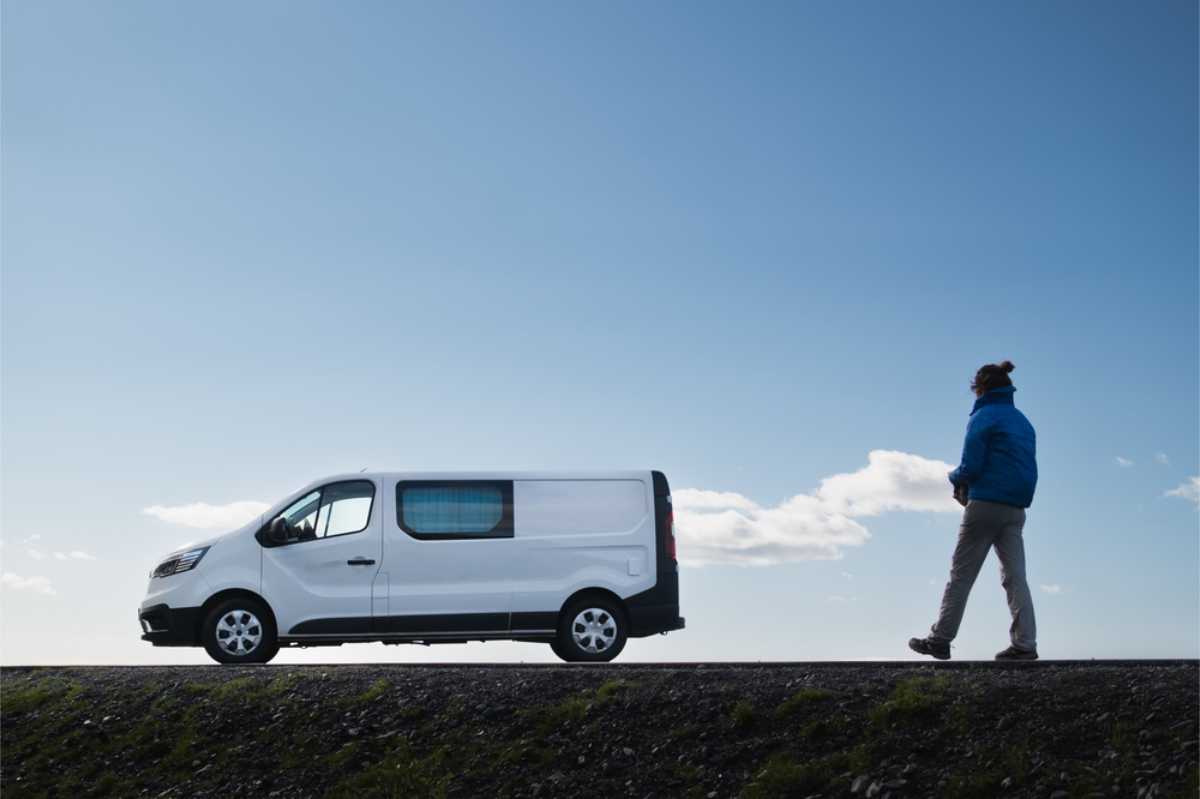
Even when traveling in the summer, camping can be a cold, wet experience. While campervans generally come with bedding, you may want to purchase or rent an extra blanket or a warm sleeping bag. When sleeping, consider keeping the windows cracked or other ventilation open to reduce moisture inside the campervan.
Finally, cooking can be one of the most dangerous things you do in your campervan. If you want to cook inside, keep windows open to vent any moisture. However, if you plan to cook outside, you should look for campgrounds with kitchen facilities to avoid cooking outdoors in the rain and wind.
Top Apps to Download
Before you start your camping adventure in Iceland, consider downloading the following apps to ensure a smooth experience:
- Vedur (Weather App)
- Road.is
- SafeTravel Iceland
- Google Maps or Maps.me
- Parka and EasyPark (parking apps)
- MyAuroraForecast (or your preferred Aurora tracking app)
FAQs
Do you still have questions about camping and the Iceland campsites map? Here are answers to some of the most common questions we hear:
Can you camp anywhere in Iceland?
No. While it was allowed years ago, legislation changed when the country saw an increase in tourists and more complaints about bad behavior. Today, it is necessary to stay in designated campsites in a camping vehicle.
Do I need to book campsites?
Some campsites should be booked because they are popular, but in general, most campsites have plenty of space and don’t require pre-booking, even in summer. In fact, many campgrounds don’t even have the capability to book ahead.
Can I camp in winter?
Yes, some campgrounds are open year-round, so you can camp in the winter. However, you will need to plan carefully to ensure you know where you can stay. You will also have to pay close attention to the weather and road conditions and be prepared to change your plans accordingly.
Are showers included?
Showers are included in some campgrounds, but not all of them. Check the Iceland campsites map or the Tjalda.is website for more information.
Do I need a 4x4 for highland campsites?
Yes, highland campsites are generally found on F-roads, which require renting a 4x4 to reach them. These roads are rough gravel roads with unbridged rivers, requiring more ground clearance than your typical vehicle.
Is the camping card worth it?
It depends. If you will be camping for a longer period and aren’t picky about where you stay, it can be worth it. However, if you are only staying for a week or the campsites you want to stay in aren’t included, you’re better off paying for each one individually.
What happens if I arrive after reception hours?
Most campsites allow late arrivals, but you’ll need to check in and pay in the morning. Some use self-service or app-based payment systems.
Can I be turned away even if the campsite looks empty?\
Yes. Some campsites limit usable areas due to weather, ground conditions, or maintenance, even if space appears available.
Do campsites ever close unexpectedly in summer?
Occasionally. Weather, flooding, or maintenance can cause short-term closures, so it’s worth checking the status on the day of arrival.
Is it possible to reserve a specific pitch?
No. Most campsites operate on a first-come basis within a general area, even if you’ve booked in advance.
Can I stay multiple nights without moving the campervan?
Yes, but availability may change in peak season, and some sites may ask you to reposition if space becomes limited.
Do I need to check out at a specific time?
Some campsites have informal check-out times, especially in busy areas, to manage incoming guests. Late departures may be restricted.
Will my campervan battery or heating work at all campsites?
Only if you have an electric hookup. Many campsites charge extra for electricity, and some do not offer it at all.

Start Planning Your Camping Adventure
Whether you’re looking for campervan campsites in Iceland or want to try tent camping, the Iceland campsites map is a valuable resource that will help you identify the campgrounds that meet your needs. Camping in Iceland can be the adventure of a lifetime and give you the flexibility you need to maximize the experience. Book your campervan today and start planning!


