

 By
By
An Iceland RV trip is the most flexible, fun, and comfortable way for you to explore the Land of Fire and Ice. Road-tripping your way through our vast, contrasting terrain with its various natural wonders is something you won’t soon forget.
If you’re thinking about taking on this road trip of a lifetime, read on! This guide tells you everything you need to know about picking the right RV for you and your trip, explains how the rental process works, and what to consider before hitting the road here on the island. And we even give a few local tips and tricks of the trade to make your trip as memorable (and affordable!) as possible. So, without further ado, let’s jump right in!
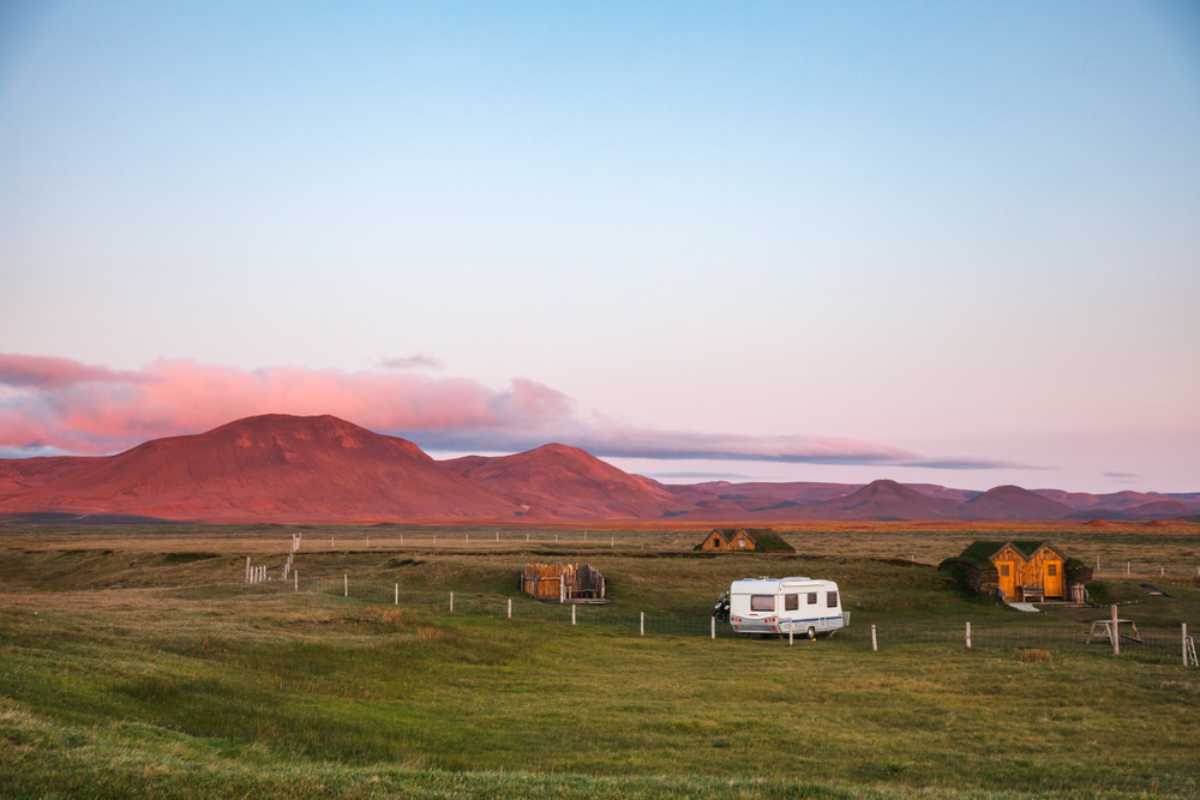
Why an RV Trip is the Best Way to Travel Iceland
There are many perks to traversing the Land of Fire and Ice in an RV, including the following:
The Choice is Yours
Unlike guided tours and pre-booked accommodation with strict check-in times, your time and schedule are your own in an RV. You’re the only one deciding where you’ll be going, when you’ll be there, and for how long you’ll be staying.
It’s Easy on the Wallet
An RV is essentially a buy-one-get-one-free situation since you technically rent a vehicle, but get a home along with it. Staying over at our campsites in an RV is also an expense that’s next to nothing ($10 to $20 per person per night). If you get yourself the Camping Card here in Iceland, you’ll drastically decrease that amount even further (but more on this a little later).
You Get an Extended Camping Season
Because an RV offers better shelter against the elements, you can begin your camping season early or continue camping a little longer than those doing traditional tent camping.
The Comfort and Convenience is Next Level
You’re essentially a slug traveling with your home wherever you go. So, you don’t have to rough it at campsites, you don’t have to fear forgetting something at home, and you can 100% make yourself a warm cup of cocoa whenever you feel like it along the way. Sounds pretty, comfy, and convenient to us.
An RV is an Immersive Experience
The Land of Fire and Ice’s claim to fame is our incredible landscapes. Driving from and to guesthouses or hotels, simply land differently than traversing the landscape in an RV and then sleeping out in breathtaking locations (often with one of our natural wonders like the beaches of Vik or Skogafoss Waterfall practically on your doorstep!).
RV vs Campervan in Iceland: Which One Should You Choose?
Whether an RV or a campervan will be a better option for you will depend on a variety of factors. We’ve created a quick-referencing cheat sheet to help you decide which will suit your party and trip best:
|
Ask Yourself: |
An RV is It! |
A Campervan is Ideal! |
|
Are you a couple exploring the island? |
X |
|
|
Are you a small family or group of friends exploring the island? |
X |
|
|
Will you be sticking to the cities and towns and our main routes/roads, such as the Golden Circle and Ring Road? |
X |
X |
|
Would you like to take the “roads less traveled” and explore some of our more remote regions? |
X ***Please note that for most of these roads/regions, it’s best to opt for a 4x4 camper. |
|
|
Are you planning on visiting during our colder months (October to March)? |
X ***Please note that during these months it’s best to opt for a 4x4 camper. |
|
|
Are you planning on visiting during our warmer months (April to September)? |
X |
X |
|
Do you prefer kitchen and bathroom facilities inside your van? |
X |
|
|
Do you prefer more space (not just to move, but also in terms of storage)? |
X |
|
|
Will you be exploring the island on a tight budget? |
X |
|
|
Do you like a van that’s easier to maneuver, for example, sharp bends or zipping in and out of parking lots? |
X |
When is the Best Time for an Iceland RV Trip?
There is no one-size-fits-all when it comes to the best time for an Iceland RV trip. This will depend on a variety of factors. Here’s what you need to consider when deciding on your RV trip travel dates:
Summer RV Travel in Iceland: Pros and Cons
Summer is from June to August here in Iceland, and there’s good reason why this is peak season here on the island. So, if you’re considering a summer trip, check out our list of pros and cons below to see if it’s the right fit for you:
Pros
- Summer offers some of the best weather. You’re looking at high temperatures (in terms of Iceland, though, so don’t expect Miami), and you won’t need to deal with our more extreme weather conditions, such as ice, snow, and winds of up to 35 kilometers an hour.
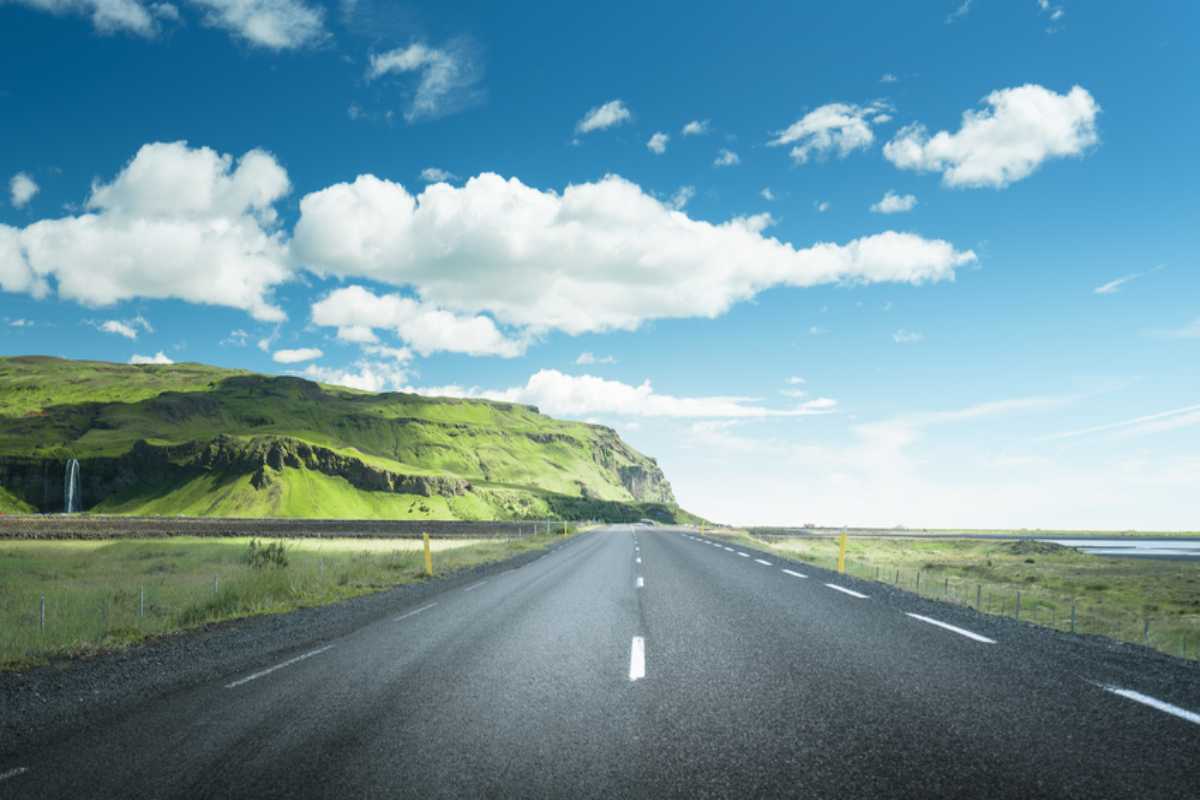
- The weather conditions also play a pivotal part in Iceland’s road conditions. Needless to say, summertime offers some of the best road conditions for road-tripping around the island in an RV.
- Summer is also the only time most roads are open (we have a few annual closures here in Iceland). This means that the entire island will be yours to explore at leisure!
- The same goes for campsites – most will be open and operating at full capacity. Even though you will find many of our campsites open all year round, they do tend to operate at limited capacity (in other words, not all facilities, amenities, and services will be available), and opening and closing times will also change.
- Summer gives visitors ample daylight hours (20+ each day!) to cruise the roads in their RV and explore the various sites and attractions around the island. So, you can have an absolutely jam-packed trip itinerary if you so wish.
- Summer also gives visitors the chance to experience one of our most famous natural phenomena, the Midnight Sun. The Midnight Sun is when you’ll essentially have a 24-hour day since the sun never really sets, despite taking a quick dip behind the horizon. However, for this, you’ll need to visit between 20 and 22 June.
Cons
- As we mentioned, summer is considered peak season here on the island, and this will mean some additional traffic to the island. You might have to deal with more vehicles on the roads, need to be more patient at attractions, and pre-book things such as transport, activities, etc., well in advance to avoid disappointment.
- Peak season doesn’t just mean peak season crowds; it also means peak season pricing. So, if you’re traveling on an extremely tight budget, this might not be the best time for you to explore the island.
- All our additional daylight hours can actually cause chaos if you’re not careful. Some get overexcited (and overly ambitious) and have such jam-packed trip itineraries, ensuring they’re always on the go, that they actually suffer burnout by day 2 or 3! So, you need to be careful not to overdo it. The Midnight Sun has also been known to cause disruption in some people’s circadian rhythm, so stay on track with your sleeping schedule during these 20+ daylight hours with the use of reminders and a sleeping mask.
- Of course, another con is that you also won’t be able to see one of Iceland’s other famous natural phenomena: the Northern Lights. This one is exclusive to our colder and darker months, with our winter season being prime viewing time.
Can You Travel Iceland by RV Outside Summer?
Absolutely! In fact, an RV makes it much easier and much more comfortable to cruise around Iceland outside of summer. Here are a few key takeaways:
Cruising in an RV During the Shoulder Seasons (April, May, and September, October)
- Exploring the island during our shoulder seasons is a great option for those road-tripping on an extremely tight budget.
- Most campsites in Iceland will be open, even though some may have slightly different operating hours than during peak season.
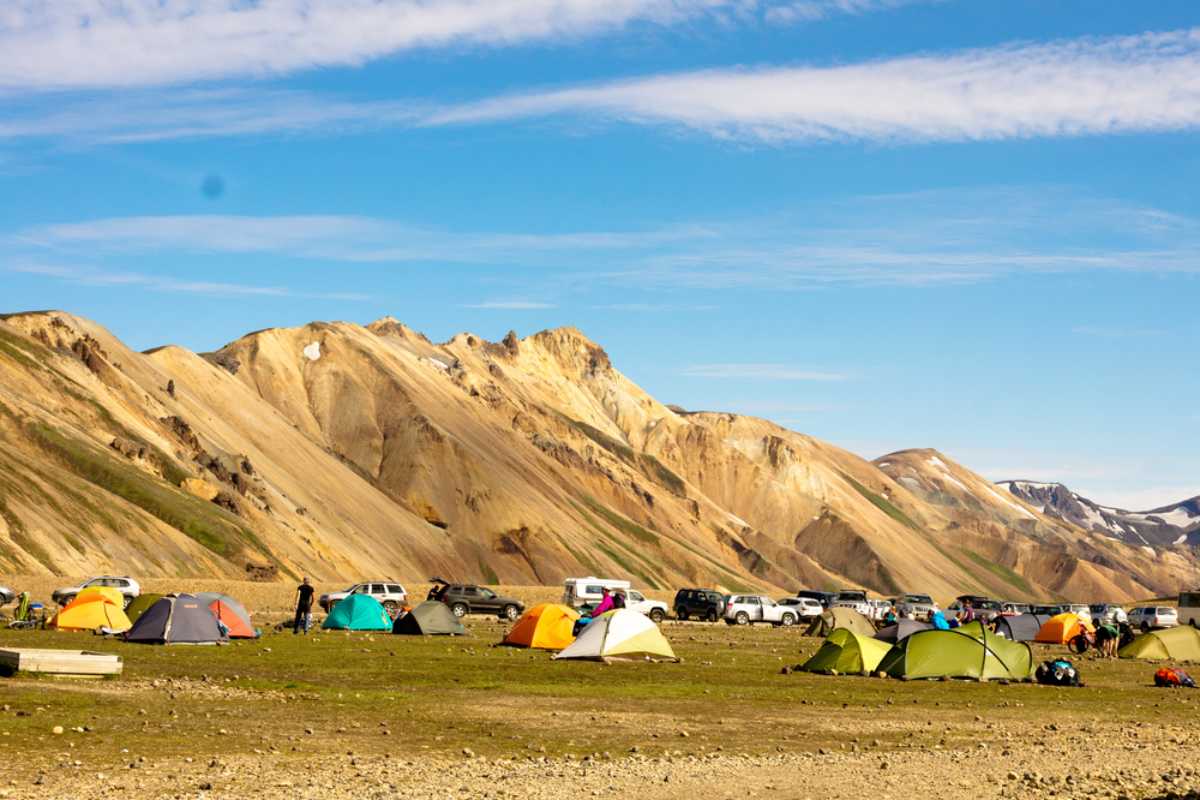
- In an RV, you can continue camping in comfort even if the winter chill is still in the air or the first snowflakes begin to fall (here’s looking at you, northern regions).
- Although daylight hours will definitely not be at our summer season maximum, there will still be plenty of daylight hours available to create an exciting trip itinerary.
- Shoulder seasons bring with them combo possibilities. For example, if you visit late May, you might actually find that most roads, technically only open during summertime, will already be open. And if you visit late October, you’re already likely to experience winter perks such as the Northern Lights and exploring the ice caves, especially if you’re visiting our northern regions.
- With peak season and its crowds in your RV’s rear-view mirror, shoulder months often mean having places such as hot springs or waterfalls entirely to yourself.
Cruising in an RV During the Winter Season (November to March)
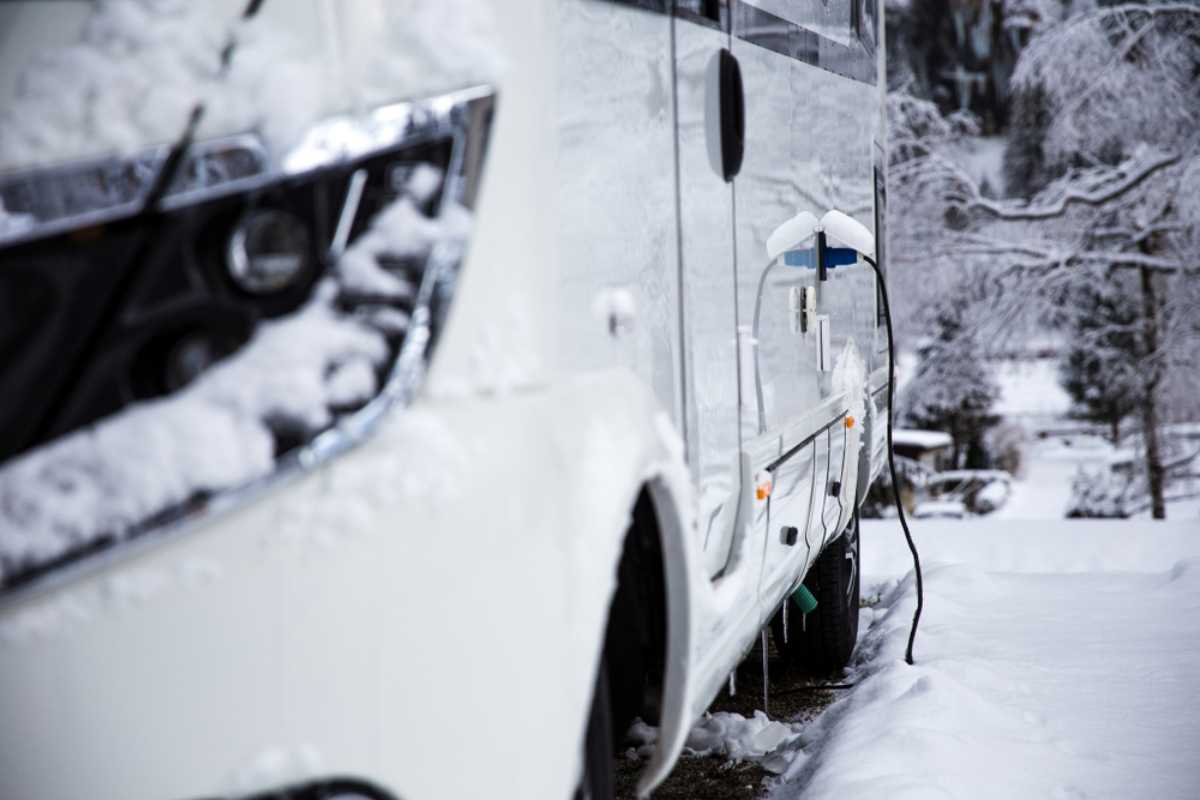
- You’ll encounter some challenging weather and road conditions, so it will be mandatory for all vehicles to have winter gear and equipment. So, please double-check when renting your RV.
- You also need to remember that annual road closures will be in place, so there’s no way you’ll be able to explore the Highlands, and certain parts of the Westfjords will also be out of bounds. For your own safety, please don’t plan or attempt driving these roads (even if you have a 4x4).
- Many campsites will be closed, so you’ll need to do some extra planning beforehand to ensure you’re not gunning for a specific overnight stay only to end up in front of closed gates.
- Your road trip will need a more flexible itinerary, so your travels won’t be so heavily impacted by the sudden closures of everything from roads and attractions to activities.
- Unless you’re planning on visiting during our festive/New Year period, visiting Iceland in winter is super economical.
- You’ll also never be more grateful for an RV than when camping in comfort while the winds are howling outside. While most are forced to pack away their tents and book that ridiculously priced hotel, you can still go camping in comfort at a fraction of the cost.
- With peak season and its crowds in your RV’s rear-view mirror (unless you’re planning on visiting during our festive/New Year period), winter often means having places such as hot springs or frozen waterfalls entirely to yourself. Winter also offers entirely different experiences at these places since hot springs become extra refreshing with their warm water against the crisp air. And waterfalls turn into icy octopuses dangling over cliffs.
How to Rent an RV in Iceland: What You Need to Know
Renting an RV in Iceland is a pretty simple process. However, here’s what you need to know:
Booking in Advance and Seasonal Availability
We’ve already touched on our busy summer peak season and how booking things well in advance will avoid you being left disappointed. This includes RVs here on the island. As a general rule of thumb, we’d recommend you book your RV at least 3 to 6 months before your arrival.
As you can imagine, shoulder months and our winter season don’t require the same rental vigor. Still, if you want to play it safe and have a very specific RV in mind, we’d generally recommend that you book your RV between 2 and 4 months ahead of time if you’re planning on visiting during a shoulder month, and at least 1 month ahead of time when you’ll be visiting during wintertime.
Picking Up Your RV: Airport vs. Off-Airport Locations
You’ll have the option to pick up your RV at the airport or a few other locations. However, most either pick up their RV immediately upon arrival at the airport, or in the capital city of Reykjavik, right before heading out to explore the rest of the country.
Airport Pickup
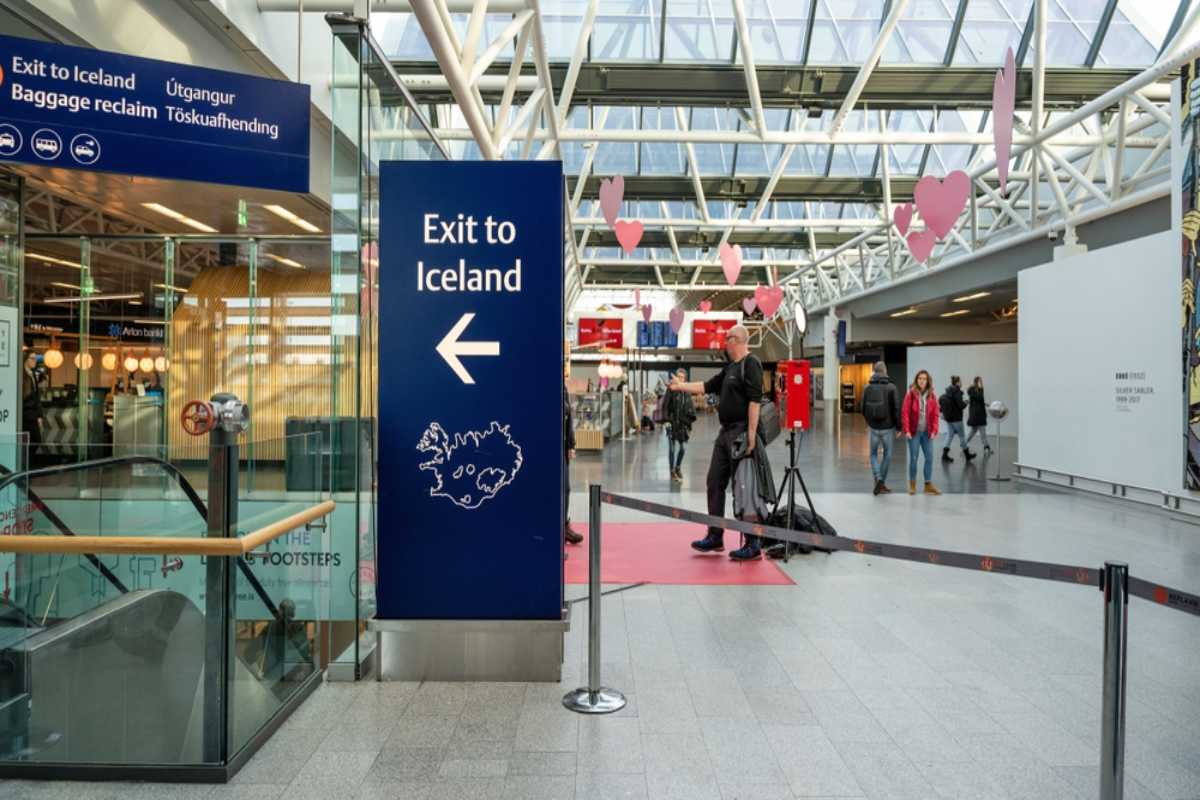
For those eager to hit the road, you can pick up your RV rental once you’ve landed at Keflavik Airport. But please note that the rental lots are a short drive away. To reach the rental lots, you need to catch a shuttle outside the arrival entrance of the airport.
We’d just like to remind everyone that picking up your RV at the airport doesn’t mean you have to give Reykjavik a skip. Simply park the RV at the conveniently situated Reykjavik Eco Campsite mid-city and explore the capital to your heart’s content!
Reykjavik Pickup
Others choose to spend some time exploring the capital first before officially kicking off their road trip around the Land of Fire and Ice. To do this, you can either arrange a taxi or shuttle or catch the Flybus from the airport to your accommodation in Reykjavik. From there, it’s easy to move around in the capital. Most things are within walking distance of each other (just wear your sneakers!).
Public transport is also super affordable and convenient, and if you get yourself a Reykjavik City Card, you’ll be able to hop on and off the city buses as much as you want. You’ll also be able to arrange for taxis and shuttles, so the transport options are legion before picking up your RV from the rental depot in the city.
A Few Helpful Pickup Tips
Irrespective of where you decide to pick up your camper rental, just remember the following:
- Check the vehicle for any damage and take photos. Remember, rental companies will hold you responsible for any damages they pick up on when you drop off the RV again, so be sure you stay in the clear.
- Also, don’t just stop at checking aesthetic damage like bumps and scratches. Check that all the systems and devices are working (the heating, the water pump, etc.). These generally cost a pretty penny, and you definitely don’t want to be held responsible for those costs.
- If this is your first time driving an RV and you’re feeling uncertain about anything – ask! Rental companies like us want you to have a memorable trip (for all the right reasons!), so we’ll happily give you an intro course into RV life.
Insurance, Deposits, and Payment Tips
In Iceland, certain insurance is mandatory, and therefore, you’ll generally find the following included in your rental package:
- Third-Party Liability Insurance – This insurance essentially covers damage to another person’s vehicle.
- CDW (Collision Damage Waiver) – This insurance essentially covers damage to your vehicle. Just keep in mind that you’ll still be liable for a percentage of the total damage, which, depending on where you’re from, is referred to as the “excess,” “deductible,” or “driver’s liability.”

However, we highly recommend that you have a chat with your rental agent about insurance beforehand. Discuss your specific road trip route and trip itinerary and get the local lowdown (you might be underinsured without even knowing it!). Here are just a few of the add-on insurance policies that you might need:
- SCDW (Super Collision Damage Waiver – This insurance simply lowers the “excess,” “deductible,” or “driver’s liability” percentage, so you end up paying less out of pocket.
- Gravel Protection – This insurance protects you against scratches, dents, and broken lights due to rocks or stones being kicked up against the vehicle. This is essential if you’re planning on traveling on any of Iceland’s gravel roads or in any of our more remote regions.
- Sand and Ash Insurance – This insurance covers you against any damage caused by sand and ash (which could be anything from dents and scratches to the vehicle’s body to clogged filters). We highly recommend this insurance if you’re planning on traversing our coastline or cruising by our volcanoes or recent eruption sites.
- Tire Insurance -What many don’t know is that tires are often excluded from general insurance. Therefore, if you’re planning on taking a few “roads less traveled” here on the island, tire insurance should definitely be on your radar.
- Windscreen Insurance – What many don’t know is that windscreen damage is often excluded from general insurance. Therefore, windscreen insurance is a good idea if you’re planning on cruising along our windy coastline or traversing our gravel roads and remote regions.
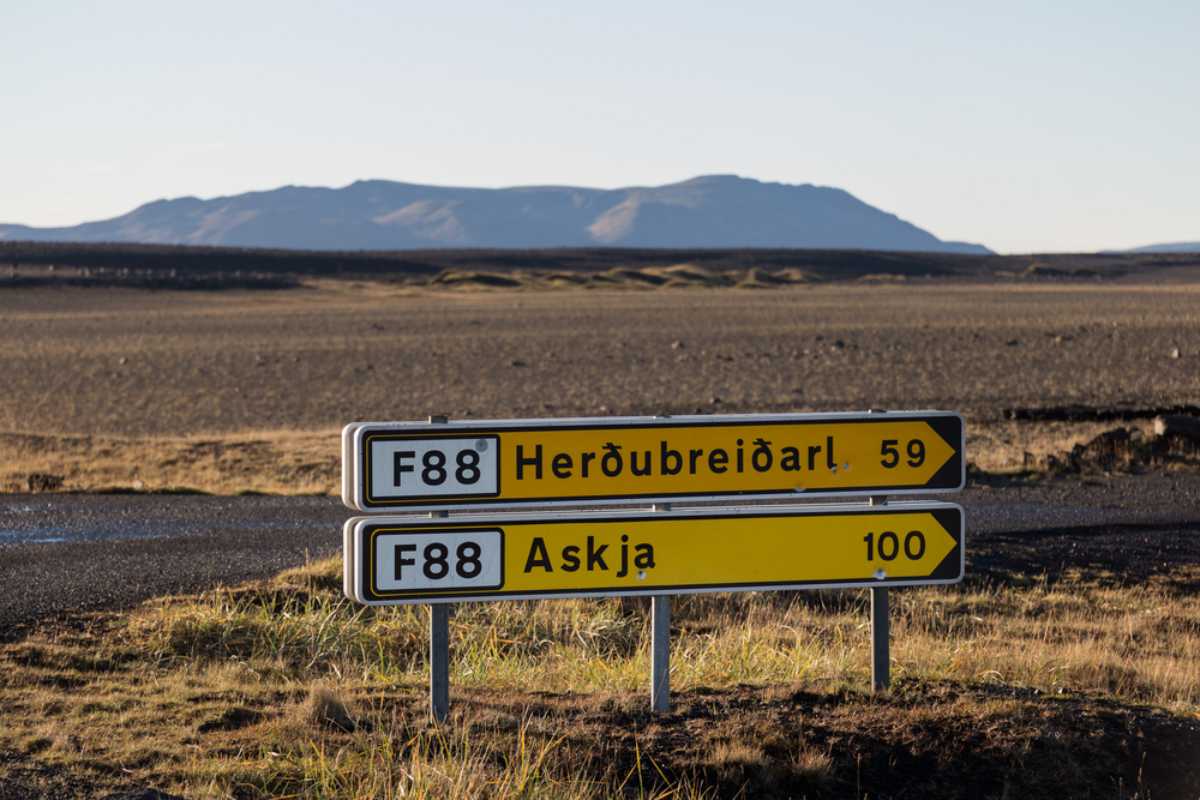
***Please note that due to the risk involved in driving the F-roads in Iceland, very few insurance policies cover damages relating to F-roads adventures. For this, you’ll usually need to get what is often referred to as a Premium or Platinum package.
When it comes to paying for your RV rental, you’ll need to have a credit card since a certain amount (or what you may call a deposit) will be put on hold on the card. This amount will also be calculated by taking any/all insurance policies and other extras you’ve requested into account.
Real Costs of an Iceland RV Trip
Let’s get down to the nitty-gritty numbers, so you can properly plan the budget for your upcoming trip.
RV Rental Prices by Season
RV rental prices may vary depending on the season (you remember those pesky peak season prices we were talking about, right?). And, of course, RV costs also differ between rental agents and the type of RV you’re planning on renting. Keeping this in mind, the following averages should give you a good idea of what to expect and plan for:
Peak Season Prices
As we already mentioned, peak season falls between June and August, and this is usually when prices are at their highest. You’ll be looking at paying roughly 101,200 ISK (€697/$807) per day for an RV rental.
Shoulder Month Prices
Shoulder months are April, May, September, and October, and are usually a better option for those traveling on a tight budget. During these months, you’re looking at paying roughly 91,200 ISK (€628/$728) per day for an RV rental.
Winter Prices
Winter is from November to March, and unless you’re planning on visiting over our festive and New Year period, you’ll be coming to Iceland during what is known as our off-season. This is when you can expect some of our lowest rental prices, which can be as low as 37,124 ISK (€256/$298) per day for an RV rental.
Campsites, Fuel, Food, and Daily Budget
Your daily RV rental costs are just the start of your trip budgeting. You’ll also need to take note of the following:
Campsites
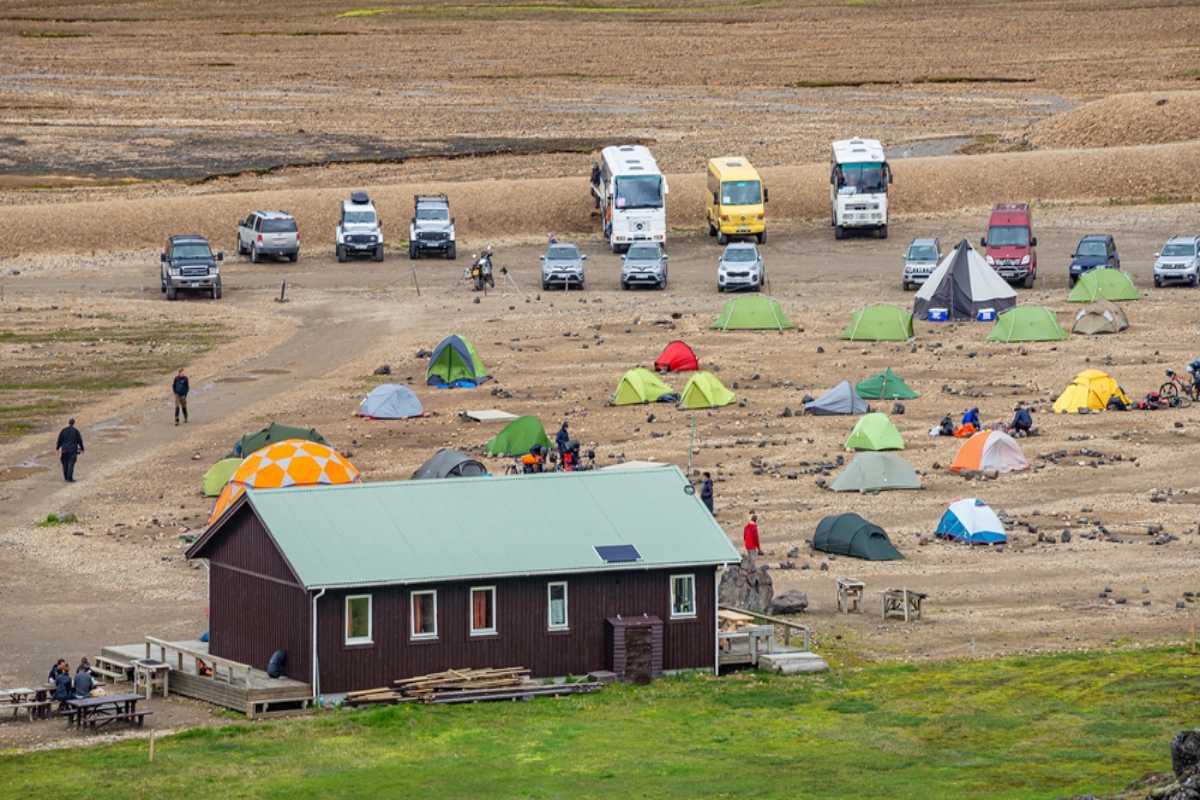
Wild camping in an RV has been illegal here in Iceland since 2015. Therefore, you’ll have to stay at one of our campsites. But don’t worry; these are scattered all across the country, get you as close to the action as possible, and are super affordable, especially with the backup of a Camping Card.
Generally, our campsites charge between $10 and $20 (1246.80 and 2493.60 ISK/€8.59 and €17.18) per person per night. While this is already not very expensive, it all adds up to between $70 and $140 (8726.90 and 17453.80 ISK/€60.14 and €120.28) for a solo traveler exploring the island for a week.
For a couple, it’s between $140 and $280 (17453.80 and 34907.60 ISK/€120.28 and €240.55). When you start heading into small family/RV territory, the numbers really start to stack up.
However, if you get yourself the Camping Card, you’ll pay just €179 (25974.99 ISK/$208.35) once-off and get access to various campsites across the country for up to 28 nights for 2 adults and 4 children up to the ages of 16.
Just basic, simple maths already tells you how much you’ll be saving. Add on the fact that the card also offers other discounts, such as on food and gas, and the savings just keep piling on.
Just take note that the Camping Card is only valid between May and September here on the island, and many campsites also charge for electricity and what is often referred to as the tourist tax. These tend to be around 1000 ISK ($8.02/€6.88) for electricity and 400 ISK ($3.21/€2.75) for the tourist tax, which is not included in the Camping Card benefits.
Also, remember to do your research if you’re planning on visiting outside of the peak summer season. Some campsites completely close during the colder months of the year, while others have different opening and closing hours and may not operate at full capacity (in other words, certain amenities and facilities may not be available).
Fuel
Needless to say, fuel is another big expense when it comes to an RV road trip around the country. Gas prices are very relative here in Iceland (even within the same gas station brands), so you’ll need to take the following into account when planning your refuels:
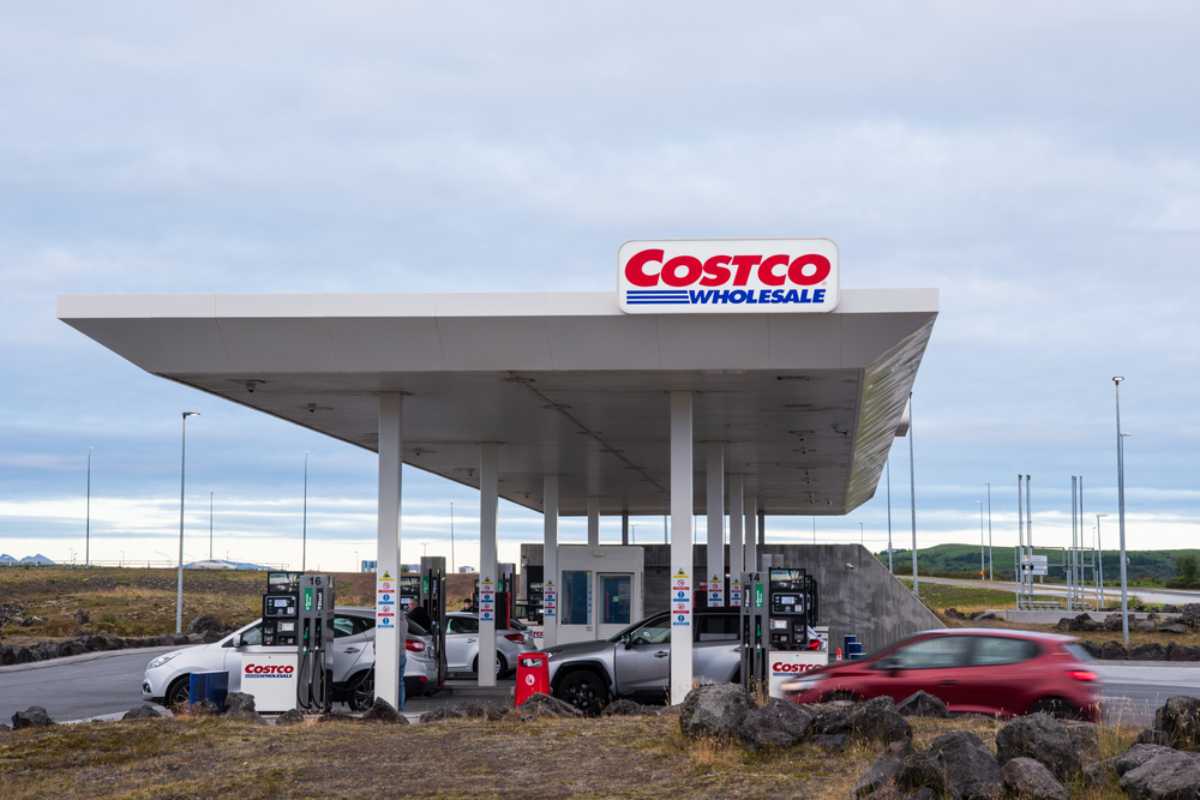
- As we said, gas prices differ, so with a little research and a couple of local tips, you’ll easily spot the gas stations that’ll give you more bang for your buck. Pssssst! Hot tip: One of the cheapest places to fuel up in Iceland is Costco in Reykjavik.
- The more remote you go, the fewer gas stations you’ll find and the more you will pay for gas (good ol’ supply and demand, right?). Therefore, always ensure you fill up in our larger cities and towns. Then you’ll not only get better gas prices, but you’ll also lower your risk of ending up with an empty tank next to the road in one of our remote regions.
- Gas consumption will inevitably impact your budget (the more you use, the more you’ll need to refuel). The good news is that some things are actually in your control when it comes to gas consumption. If you keep a slow and steady pace between 50 and 80 km/h (30 and 50 mph), stick to paved and well-maintained roads, and avoid extensive driving on extremely windy days, you’ll actually save on gas usage.
When it comes to the numbers, fuel budgets will also depend on specific RV makes and models, how often and far you drive, etc. However, the following should give you a good idea of what to expect and plan for: the Ring Road is a popular road trip route that wraps around the entire island. This route is mostly paved and well-maintained, and 1328 kilometers (825 miles) long.
For a week-long road trip along the Ring Road route, you’ll be looking at spending between 50,000 and 80,000 ISK ($401 and $642/€346 and €553). This should give you a good idea of what your fuel expenses for each day could be. And if you’re planning on driving on gravel roads or hit some tumultuous weather, you already know that you’ll need to add a little extra to your budget.
If you would like to calculate what the potential fuel usage for your trip will be based on the mileage of a specific RV model and the current fuel prices in Iceland, you can check out the current Icelandic fuel prices here.
Food and Groceries
Next on the budget agenda is food and groceries. This is another perk of traveling in an RV – you don’t need to rely on hotel meals, grab takeaways or dine out (and trust us, this can reeaally eat into a budget); you can cook all your budget meals yourself! But even when it comes to food in Iceland, there are a few tips and tricks to remember:
- You will find plenty of grocery stores all over the country, and even our gas station shops are super convenient. But if you’re traveling on a tight budget, there are only three grocery stores you should be looking out for: Costco (there’s just one in Reykjavik, Bonus, and Kronan. This is where you can find the most affordable groceries.
- Once again, it’s always best to stock up in our bigger cities and towns (in terms of convenience, variety of options, as well as prices).
- It’s always a good idea to keep some extra water (remember that we don’t buy water here in Iceland; we simply top up at the taps), as well as a few rations of non-perishable foods such as dried fruits and nuts and canned food. These come in exceptionally handy when you realise you forgot to stock up at your last stop, or you end up in an emergency situation, such as a breakdown, where you have to spend some time waiting for assistance.

The Additional Extras
To add the final finishing touches to your budget, you’ll need to decide on all those additional extras. Would you like to go on a tour like the Reykjavik Food Walk? Would you like to participate in activities such as glacier hiking? Would you like to visit some of our famous museums? And how much spending money would you like to have?
This will, of course, have to cover souvenirs, gifts for family and friends, and any unexpected sudden costs like a coffee on the go. Since none of these expenses are MUSTS, how you budget for them will be at your own discretion, but don’t forget to include them in your budgeting preparations.
Driving an RV in Iceland: Rules, Safety, and Road Conditions
When you’re planning on road-tripping around the country, there are a few basics you need to know about when it comes to driving an RV in Iceland:
Speed Limits, Road Types, and the F-Road Restrictions
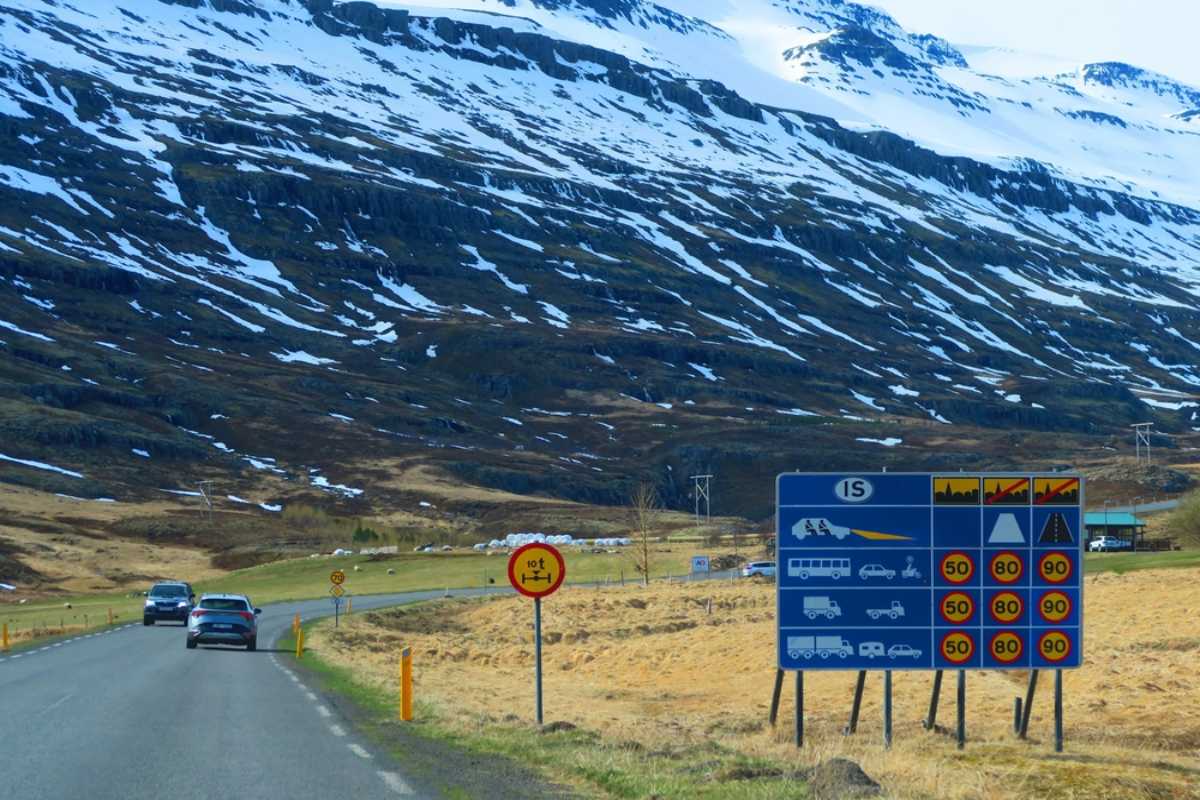
Iceland’s speed limits are specified on signs next to the road, but here’s what you can expect:
- Paved, rural roads (what you’d probably describe as our highways) = 90 km/h (56 mph).
- Gravel Roads = 80 km/h (50 mph). *Just keep in mind that this is merely the speed limit; you should always adjust your speed based on the condition of the gravel road. The rougher the road, the slower your pace should be.
- Urban Areas (in other words, roads in our cities and towns) = 50 km/h (311 mph).
- Residential Areas (roads in between houses and schools where there’s a risk of children being in the road) = 30 km/h (19 mph).
As you may have already deduced by now, there are different types of roads here in Iceland. We’ve got well-maintained paved roads, well-maintained gravel roads, gravel roads that are less well-kept, and then there are our famous F-roads. Our F-roads are mostly found in the Highlands, although they can also be found in the Westfjords.
The F-roads are the ultimate rough-and-tough roads and can only be legally driven in 4x4s (we’re talking rocky, uneven roads, steep inclines, obstacles, river crossings, etc). Because of the state of the F-roads and how narrow they can get in places, we do not recommend you take them on in a large RV that’s not very maneuverable.
The F-roads are already challenging during the summer season, so they really don’t fare well during our colder months with their more extreme weather conditions. This is why the F-roads are subject to annual road closures. Most will only start opening late May and begin closing late September.
So, if you’ve got the Highlands and the Westfjords on your Icelandic road trip wishlist, you'd better schedule your trip for the summer season.
Weather, Wind, and Driving Safely
We have a famous saying here on the island: “You can expect all four seasons in a day in Iceland.” So, you always need to be prepared for the unexpected (good thing you’re traveling with your house here, right?).
Although you’ll only have to face our harsher weather conditions, such as ice, snow, and winds up to 35 km/h during our colder months, you should also keep an eye out for any sudden changes (whether you’re driving or hiking, sudden rainfall can really put a damper on things).
The best way to do so is to keep an eye on our weather forecasts via the Vedur website as well as check on road conditions and statuses via the Umferdin website, so you’re not unexpectedly hit with a sudden road closure or road works.
A Few Helpful Driving Safety Tips
If this is your first time visiting the island, or just the first time you’ll be exploring the island in an RV, the following will be very helpful:
- Remember that it is illegal to park where there is no designated and clearly marked parking spot. This includes a “quick” stop next to the road to take that “once-in-a-lifetime” snapshot (sorry!)
- We do have quite a few one-lane bridges out in the countryside. The rule of thumb with these is that whoever reaches the bridge first can cross the bridge first.
- You will find animal crossing warning signs in certain parts of the country. However, we have plenty of free-roaming animals, from sheep and horses to reindeer and the elusive Arctic Fox. So, it really doesn’t matter where you find yourself in Iceland; always stay vigilant for animals unexpectedly crossing the road.
- Do not drive too fast on gravel roads; not only is there a risk of skidding, but also of kicking up rocks and pebbles that’ll damage the body of your (and others’!) vehicles. The same goes for suddenly braking on a gravel road.
- Also, keep a longer distance between yourself and other vehicles on gravel roads. This will minimize the risk of them skidding into you or damaging your vehicle when kicking up rocks and pebbles.
- In Iceland, it’s mandatory to always drive with your headlights on (whether it’s night or day). This is not just so you have better visibility, but also allows others to see you better.
- When our legendary winds kick off, be sure to park your RV nose-first into the wind at your campsite. This will minimize the surface the wind will be blowing against and ensure you don’t end up sleeping in what feels like a boat at sea.
Camping in Iceland with an RV
If this is your first time visiting our campsites or the first time you’ll be camping in an RV, this should give you a good idea of what to expect:
Campsites and Services
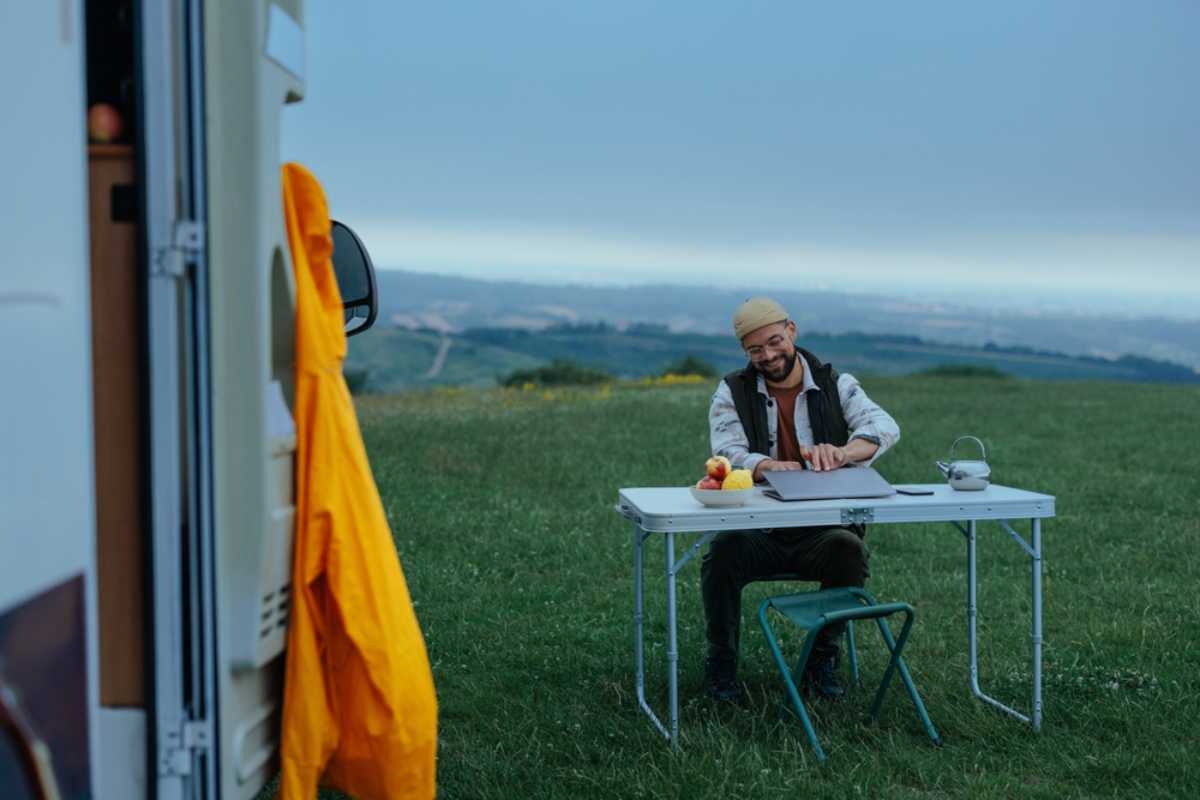
There truly is a campsite for every personal preference and need here in Iceland. We have campsites that are just open fields or what resembles big parking lots. Some who offer just the basics with a side-scoop of breathtaking views.
And others who feel more like resorts where you can spend weeks at a time and never get bored. So, depending on your preferences and needs, you can check on the following when inquiring about a campsite:
- The type of stand (cement, grass, hedges for privacy, etc.).
- Toilets and showers (and ask whether their use is included in the overnight stay).
- Dumping site (for your RV’s grey and black water).
- Kitchen facilities (whenever you don’t feel like doing the RV gear thing).
- Laundry facilities (these usually are at an additional cost).
- Electricity (generally, only certain stands have electricity hookups, and, as we’ve already discussed, this will come at an additional charge).
- Common areas such as lounges and grills.
- WiFi.
- Playground.
- On-site activities such as hiking and kayaking.
- On-site restaurant and bar.
Where You Cannot Camp with an RV
As we already mentioned, wild camping has not been legal in Iceland since 2015, so you cannot camp anywhere that is not a clearly designated camping spot and that’s not clearly marked as such. This also includes parking spots (don’t try your luck and try to overnight in one of our parking lots!).
While there is a little loophole to wild camping in Iceland, certain restrictions still apply. So, technically, you are allowed to do some wild camping on PRIVATE property as long as you have the explicit permission from the owner. In fact, it’s always a good idea to ask for permission in writing, just in case law enforcement stops by. Just remember that even with a “permission slip,” you’ll only be allowed to stay for up to 48 hours.
You also can’t set up camp as if you’re at a resort (no gazebos, grilling on open fires, multiple tents outside the RV, and so forth). Your setup also can’t be closer than 150 meters from the owner's home. When you get this opportunity, it’s also very important to respect the privacy of the landowner and always follow a leave-no-trace principle.
This doesn’t just mean not littering; it means not DIYing your own footpaths and trampling our fauna, or leaving anything behind (don’t confuse your immediate surroundings with a toilet).
Practical RV Tips for First-Time Travelers to Iceland
If this will be your first time traveling around the Land of Fire and Ice, the following tips will be very helpful:
- There’s a common mistake many visitors make that you need to look out for when planning your RV road trip. This is not to rely only on driving distances to plan your itinerary. Driving distance is one thing; driving time is quite another and relies on a variety of factors. You also need to consider the time you’ll be spending at each stop. And be realistic! You're not going to explore the entire Thingvellir National Park in 45 minutes.
- We really take our laws and rules seriously here in Iceland, so please ensure that you strictly adhere to them all. If not, you might have to cut your road trip short because you’ve blown your entire budget on a fine.
- Take advantage of rental agent partnerships with local businesses. Rental agents often have all sorts of discount perks, whether discounts at grocery stores, discounts at certain gas stations when refueling, or even accommodation and activity deals. This is one of the easiest ways of getting the most bang for your road trip budget buck.
- Always keep important documents such as the rental agreement, insurance policies, etc., close (whether it’s in the glove compartment or on your phone).
- Also, save all numbers you’ll potentially need in an emergency situation on your phone. This includes the rental agent, insurance company, and, of course, our national emergency number (112).
- Icelanders rarely operate in cash, so ensure your payment methods are up to scratch. For example, most places require credit card payments from our foreign visitors, and these cards will need a chip and a PIN to work in Iceland. You can also find some places changing with the times and now allow for digital payments, such as Google and Apple Pay. However, these are still in the minority.
Is an Iceland RV Trip Worth It? Final Advice from Local Experts
An Iceland RV road trip promises to be the experience of a lifetime. With unmatched freedom, flexibility, and convenience as you cruise along our incredible landscapes, this budget-savvy way to explore the island truly is the way to go.
Since our RVs come in a range of sizes, you also don’t need to worry about turning into a pro trucker overnight (and you don’t need to worry about getting a different type of driver’s license).
If you use our guide to figure out what the best time to visit Iceland will be for you based on personal preference, budget, and what you’d like to see and do here, then you’ll also be able to properly prep and plan your trip (and get the right RV fit). So, start planning, rent your RV in Iceland, and hit the road with the ultimate home on wheels!


