

 By
By
As you start to get ready for your Icelandic adventure, freedom is the name of the game, and nothing spells freedom like hitting the road. Being at the helm of your own adventure allows you to see the waterfalls, caves, volcanoes, and hot springs whenever you want. To do that, you’ll have to get acquainted with the Iceland gravel roads.
A gravel road is a wide concept that can mean many things. In this article, we go through the ins and outs of what the Iceland gravel roads are, what to think of, and how to navigate them with your camper rental in Iceland.
What are Gravel Roads in Iceland?
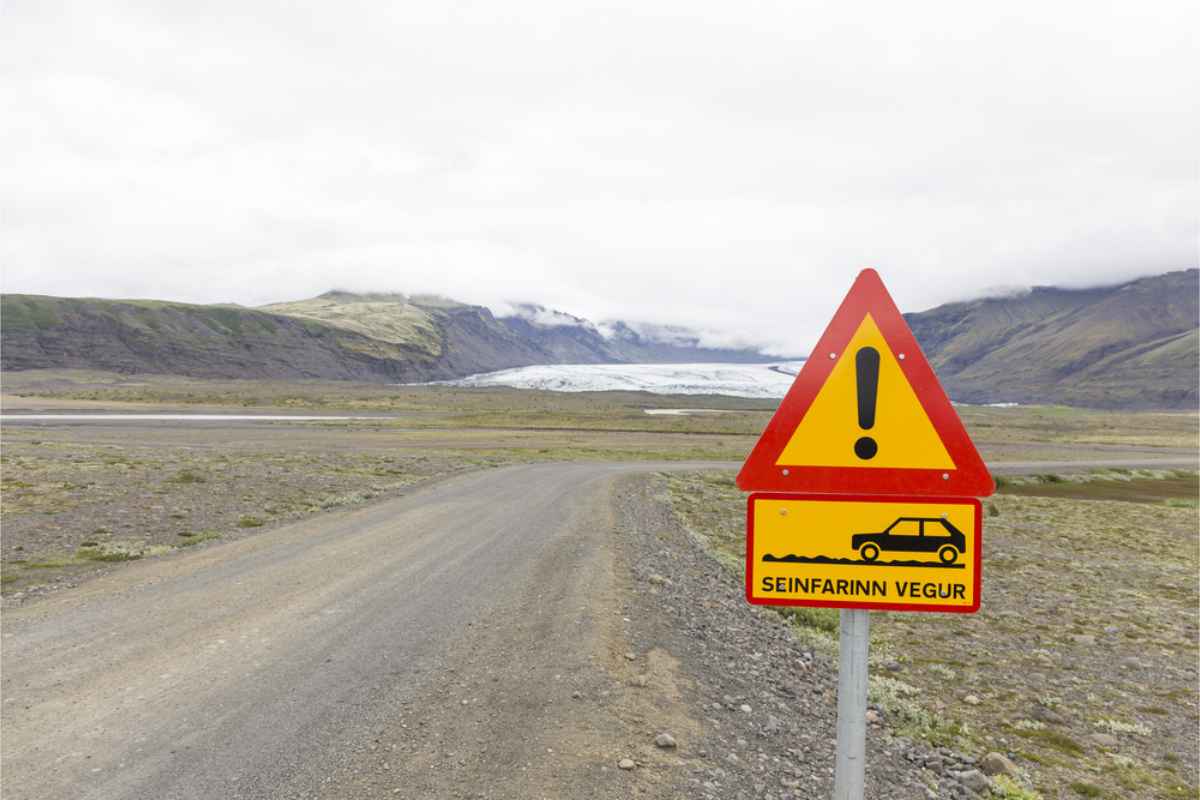
The most common way to get around the country is by driving the Ring Road. This is the paved backbone of the country and is connected to a myriad of small roads that will take you to the popular spots and Iceland’s hidden gems. Most of these smaller roads are Iceland gravel roads. As soon as you get off the Ring Road, you’ll quickly be rocking the rock, so to speak.
Types of Gravel Roads
There are two types of gravel roads in Iceland: The standard issue and the Icelandic F-roads.
- Standard issue: These are all the numerous roads around the countryside that take you to most of the natural attractions, campsites, and scenic locations. They can be wide but are often narrow, bumpy, and winding through the Icelandic landscape.
- The majestic F-Roads: The mountain roads are rough and will demand an experienced driver. These roads take you off the beaten path and into the Icelandic Highlands, where you’ll see hidden gems and wonders.

Itinerary Planning and Scenic Routes
Many of the most popular and scenic attractions will be found along the Iceland gravel roads, so you must embrace these bumpy roads like a warm cup of chocolate on an Icelandic winter night. From the Iceland gravel roads, you’ll access pristine sights like Landmannalaugar, Askja, and the Glymur Waterfall.
When making your itinerary, you will just have to make peace with the fact that most attractions and scenic routes will have a rocky element to them. One of the best tools in your Icelandic Holiday Toolbox will be the Iceland gravel roads map.
How to Use the Iceland Gravel Roads Map?
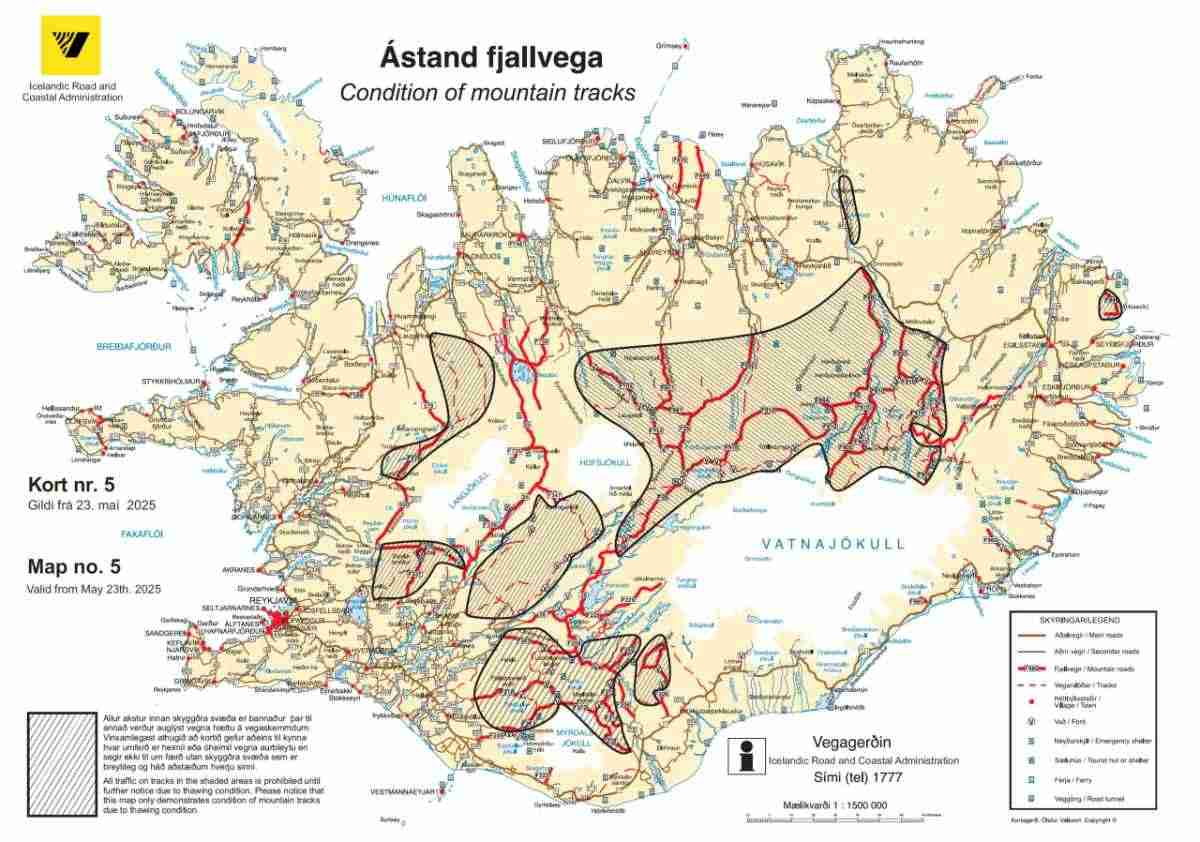
If you’re planning a trip through Iceland in a camper, you’ll be happy to know that the Icelandic Road and Coastal Administration has an interactive map that tells you all you need to know about the roads ahead. It’s neatly color-coded to tell you if the road is passable (green), hard to pass through (yellow), or completely unpassable (red).
The map also has some symbols that are clearly defined on the map to make sure you get the most accurate information possible – in real time. Simply click on the road you want to drive to find out what’s happening there.
F-Roads: The Highland Adventure
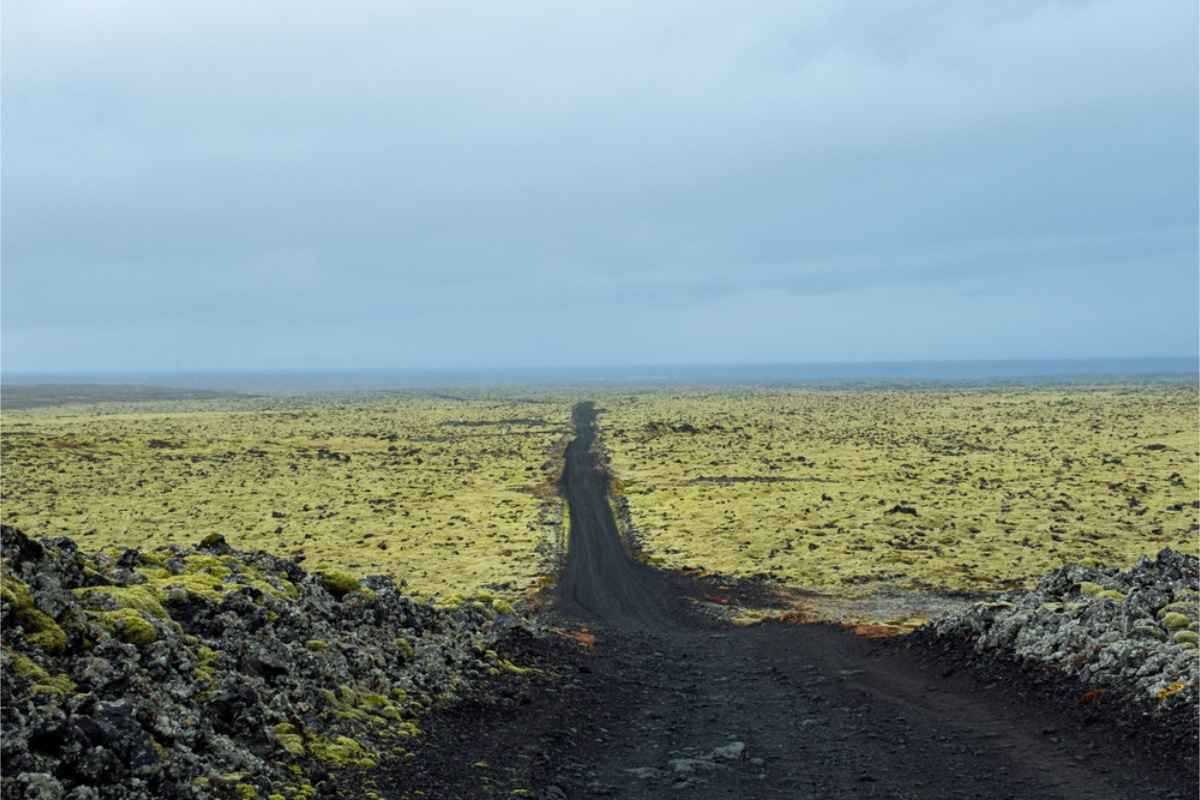
Even though most campers aren’t made for the rough F-roads, some are modified to handle them. If you’re feeling extra adventurous and want to tackle the most challenging Iceland gravel roads, this section is for you.
To drive the F-Roads in Iceland, you have to have a 4x4 vehicle with good clearance so you can maneuver the roads without sacrificing the undercarriage of the car. Luckily, 4x4 campers and SUVs will safely take you where you want to go. However, when you venture out on the Icelandic mountain roads, there are a few things you must keep in mind:
- Scarce service stations: You will have to plan your trip and make sure you have enough gas to comfortably make it to the next service station. They are few and far between in the Highlands, and the phone signal is often poor, so you might struggle to call for assistance. Ensure you have some extra provisions in the car in case you get stranded somewhere for a while.
- ‘Tis the season: Since these Iceland gravel roads are in the middle of the mountains, they’ll only be open for a while in the summertime. Most of them open in June and close in September since the roads often become hard or impossible to navigate as soon as the snow starts to fall.
- The terrain is a challenge: A bumpy road is not all you’ll face in the Icelandic Highlands. Many roads require river crossings and navigating steep terrain, which can be a challenge with a campervan.
Challenges for Campers
Since campers are often well-equipped, but not perfect, for the Iceland gravel roads, it comes with unique challenges.
Size
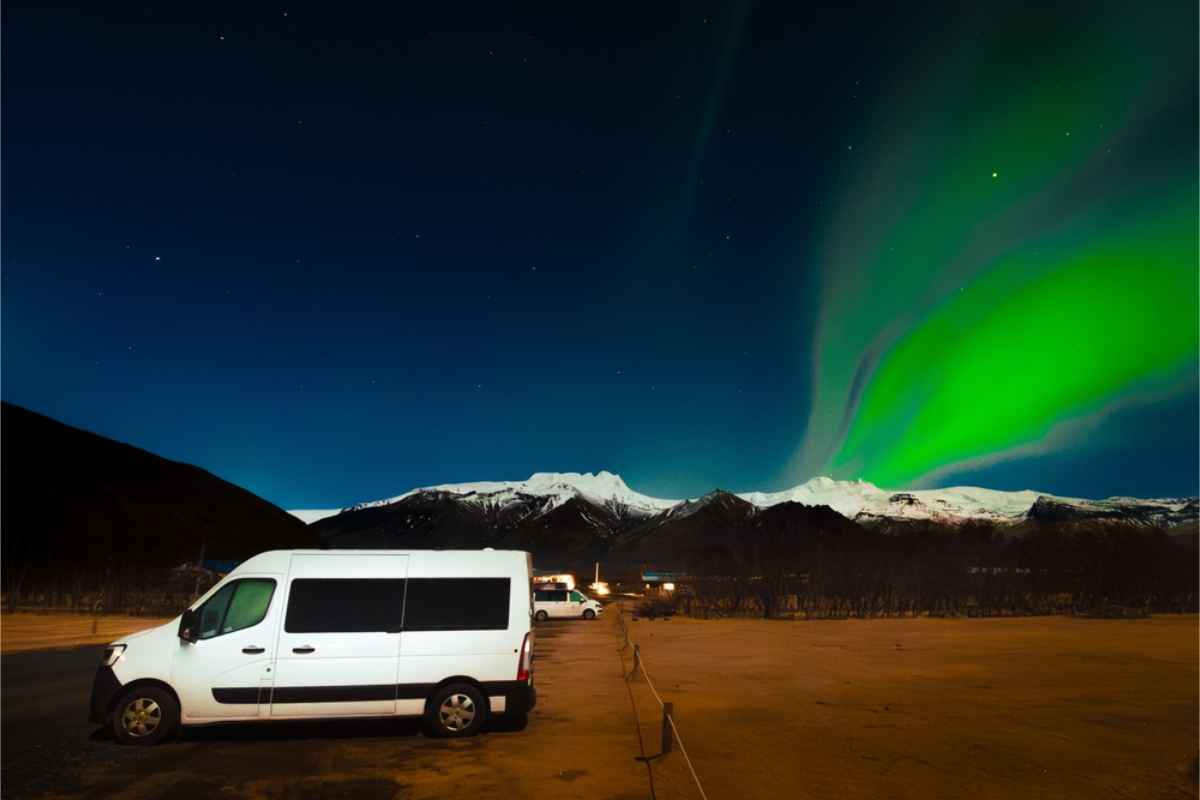
A campervan is larger and bulkier than a car and will be more prone to getting caught by the characteristic Icelandic wind. Since it’s taller than a normal car, it will also sway back and forth more whenever you drive on rocky roads with uneven terrain. This means you’ll have to be mindful of the road and keep an eye on the weather.
Noise
Campers are not built to be soundproof, so you’ll be listening to some rattling and hearing small stones ping off the undercarriage as you drive on the Iceland gravel roads. You don’t need to be alarmed as long as you don’t hear anything out of the ordinary. After a couple of kilometers on a gravel road, you’ll get used to the sound and easily recognize if something sounds off.
Parking and Maneuvering
When driving in Iceland, it’s a different thing to make the trip in a campervan compared to a regular car. One of the most common challenges will be to hit the pull-offs and parking areas in the right way. Many turns on the small Iceland gravel roads will be tight, and the same goes for the parking areas at the attractions. A little extra caution and taking it slow is the key to a carefree and successful maneuvering with a campervan.
Practical Tips for Driving on Iceland’s Gravel Roads
Getting over the awkwardness of driving a large and bulky car in a foreign country is easier said than done. Luckily, we put together some tips on how to make the transition smooth and stress-free.
Check Your Speed
The speed limit on most Iceland gravel roads is 80 km/h. When you drive a camper, it pays to go a little slower and not rush through the trip. If you keep it moderate and steady, you’ll arrive safely at your destination with as few hiccups as possible.
Keep Distance
The key word in “Iceland gravel roads” is “gravel.” As you drive behind a car or next to a passing car, there is a fair-to-good chance that some small gravel bits will aim at your camper. Even though the rocks are small, they can still chip the windshield or make a mark in the paint. If you keep a respectable distance from cars around you, that will be a rare occurrence.
Be Cautious
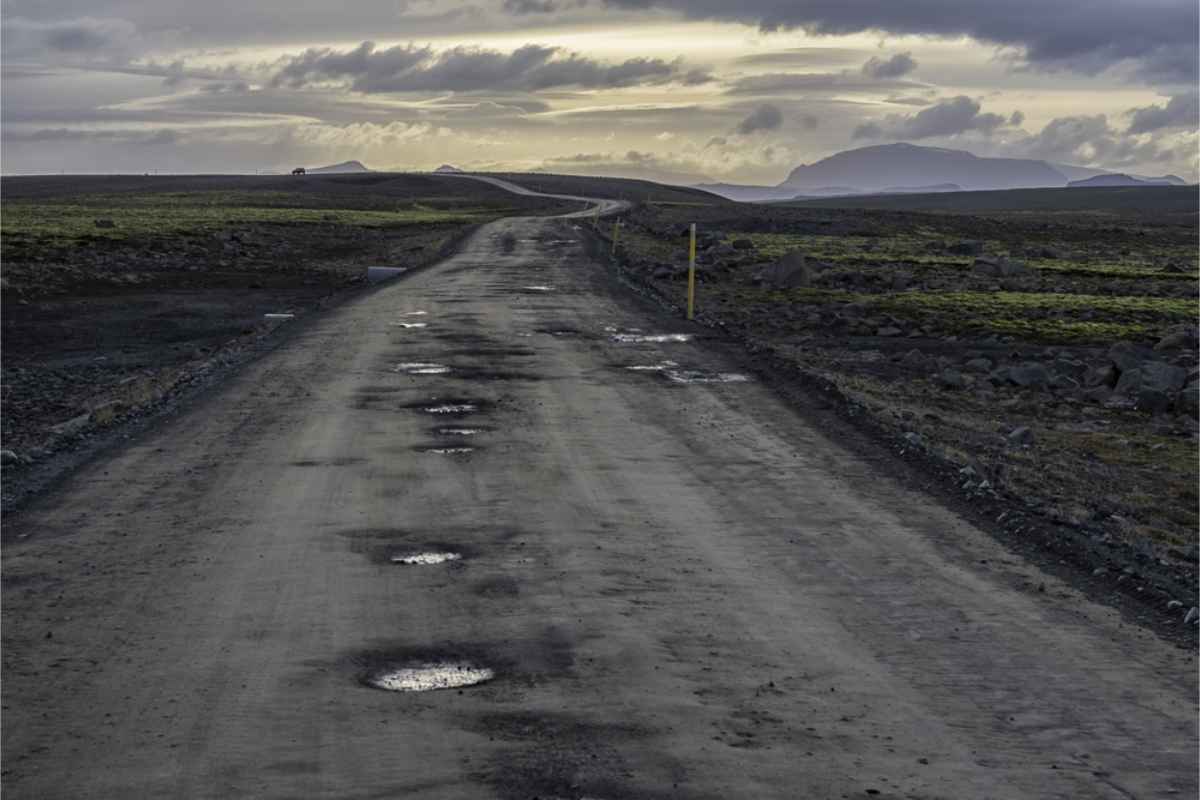
Even though most gravel roads are well taken care of, they are still gravel roads with all that comes with them. Small bumps and potholes are quickly formed, and all you have to do is keep an eye on the road and adapt to any sudden dips or washboard surfaces.
Stay on the Road
Driving off-road is strictly prohibited in Iceland, but there will be some areas where the road and the surrounding environment look almost the same. A camper is not a natural off-road vehicle, so a safe way to deal with this is to keep to roads that look like roads, even if the call of the wild is loud.
Take Breaks
The Iceland gravel roads are stunning but will take a toll on you, even if you don’t feel it at the time. Be sure to take regular breaks and stretch your legs to keep yourself energized and alert on the road.
Gravel Road Insurance: Why Gravel Protection is a Must
When you rent a car in Iceland, it pays off to read through the insurance information. Standard insurance rarely covers all that can happen to a car on the road, especially marks from the rocks on the gravel roads. If your standard insurance doesn’t cover this, you will have the option to get Gravel Protection.
Gravel protection in Iceland will ensure that you don’t have to worry about your wallet when you hear a plonk on the side of the car or a pop on the windshield. It’s always better to be safe than sorry.
What Does Gravel Protection Cover?
Most gravel insurance deals will include:
- Paint chips and scratches from flying rocks and the coarse sand from heavy winds.
- Cracks and chips in the windshield.
- Chipped and worn glass on the light fixtures on the outside of the campervan.
Your Adventure on the Iceland Gravel Roads
The Iceland gravel roads are the most important tools you could have to explore the most breathtaking parts of the country. If you follow the tips in this article and do things right, you’ll be in for the experience of a lifetime without the worries that come with driving in a foreign country. After a while, the bumps and creaks of the car will simply be the symphony that accompanies your adventure.
When you plan your trips along the Iceland gravel roads, the right vehicle is key to a joyful holiday. Make sure to rent a campervan in Iceland that will suit your travel plans, as you either take the high road up into the mountains or stay on the easy path in the lowlands.


