
 By
By
Iceland road signs follow European conventions. That includes red borders, yellow diamonds, and blue rectangles. You have seen versions of all of them before. That is the problem. Familiar-looking signs in unfamiliar conditions create a false sense of confidence.
A wind warning in Iceland is not the same situation as a wind warning on a motorway back home. A gravel sign here means your windscreen is about to get tested. A yellow diamond near an F-road entry could end your trip if you ignore it.
Campervans and motorhomes add another layer because they are taller, heavier, and slower to stop. Some of these signs matter a lot more when you are driving a house. This guide covers the signs that actually catch first-timers off guard, what each one means in Icelandic conditions, and what to do when you see one.
How Iceland's Signs Differ from Home
The difference is what the signs are pointing at. Back home, a wind warning is background noise. In Iceland, it means an exposed stretch where driving conditions can shift fast enough to push a high-sided vehicle across its lane. A gravel sign does not just mean rough road. It means the surface changes in the next few hundred meters, and your tires will behave differently.
A sheep sign is not decorative. Livestock roam freely across rural Iceland, and they do not check for traffic. Road signs in Iceland also thin out once you leave the towns. You will get fewer signs, not more. So when one appears, it is worth paying attention to. Icelandic text is common on rural roads. Then there are the Iceland-specific features.
F-road markers. Wind-speed indicators. Farm location signs. None of these exist in most other countries, and none of them are self-explanatory the first time you see one.
For campervan drivers, the gap between familiar and understood is wider than it looks. These signs reflect actual road exposure. Treat them that way.
Speed Limit Signs
Speed limits in Iceland are straightforward. 90 km/h on paved rural roads, 80 km/h on gravel, 50 km/h in towns. The signs are white circles with a red border and a black number. What changes is the context. The posted limit is a legal maximum, not a target. On gravel, 80 km/h is the ceiling, not the cruise speed.
In a loaded campervan, the road surface, your vehicle's height, and the wind all have more say over your actual safe speed than the sign does. Rental agreements can also set lower limits than the posted maximum, so check what applies to your specific vehicle before you leave. Traffic signs in Iceland include variable speed signs near schools, tunnels, and certain sensitive stretches.
These change based on conditions. When the number drops, it drops for a reason. Speed cameras are in use across Iceland. They do not always announce themselves with advance signage. Treat every stretch like one might be present.
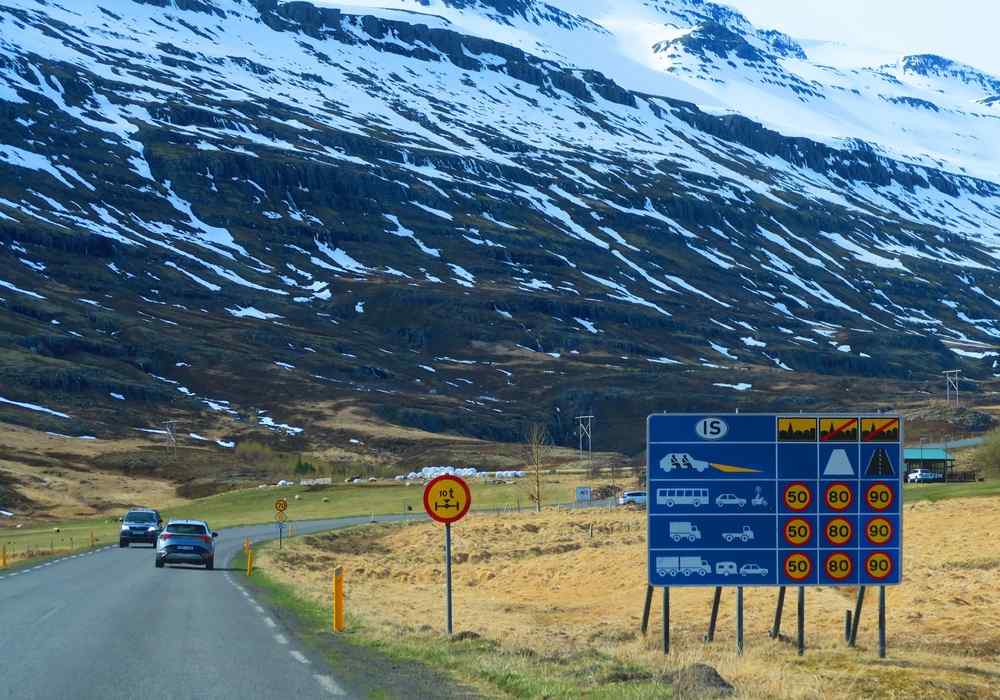
One thing worth understanding about speed limits here: the 80 km/h gravel limit exists partly because of what gravel does at speed. Stone chips, reduced grip, longer stopping distances. In a campervan, those consequences are amplified. The sign gives you the legal boundary. Road conditions in Iceland give you the practical one. They are not always the same number.
Warning Signs You Must Know
If there is one category of traffic signs worth studying before you leave home, it is this one. Warning signs are yellow diamond-shaped hazard signs. You will see them throughout Iceland, and they cover everything from gravel roads and blind hills to livestock and severe wind.
Driving in Iceland means encountering road conditions that do not have a direct equivalent back home, and these signs are often your only heads-up before things get interesting. If you are renting a campervan in Iceland, read this section before you pick up the keys.
Gravel Road Ahead
The sign is a yellow diamond with an image of stones spraying from a tire. One of the more self-explanatory Iceland driving signs, until you ignore it and your windscreen pays the price. It means the paved road is ending. Gravel starts ahead.
The move is to slow down before you hit the surface change, not after. Gravel roads behave differently under your tires, and the transition point is where most people get caught out. You do not want to be braking on loose stones in a vehicle the size of a campervan.
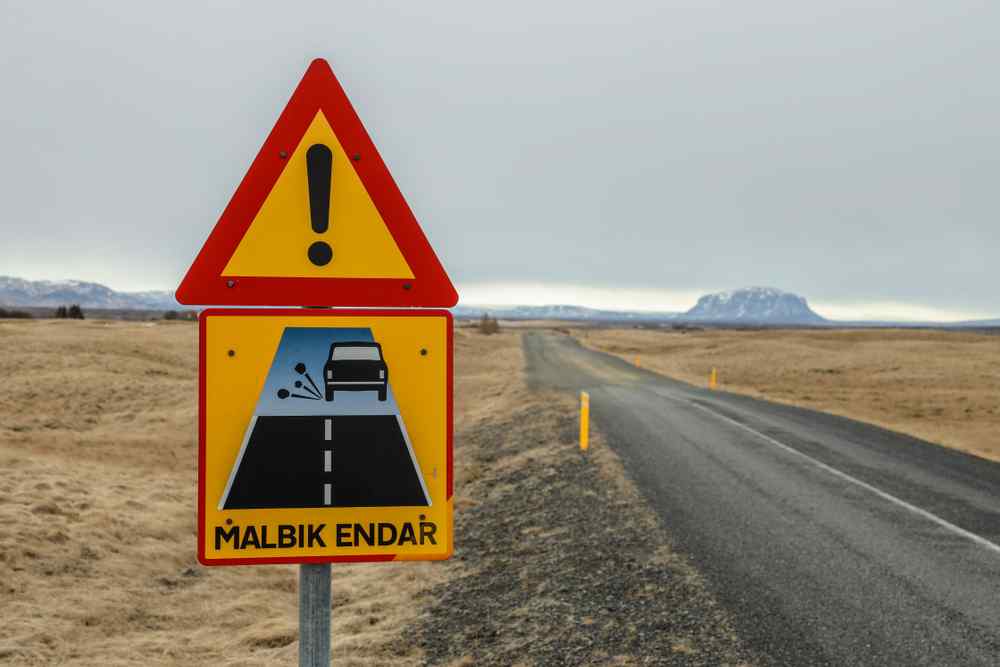
At speed, gravel chips windscreens, strips paint, and reduces the grip you are relying on. In a heavier vehicle, that last point matters more than most drivers expect. Back off early. The Icelandic phrase to watch for here is ‘malbik endar.’
Single-Lane Bridge
The sign shows a road narrowing from two lanes down to one. Simple enough. What it does not show is how many of these bridges Iceland actually has or how fast you can find yourself at one with a vehicle coming the other way. One vehicle at a time. That is the rule. If something is already on the bridge when you arrive, you wait.
Slow down before you reach it, check for oncoming traffic, and if there is any doubt about timing, yield. The bridge will still be there in thirty seconds. For campervans and motorhomes, the width is the issue. Iceland road signs give you the warning but not the dimensions.
Approach slowly regardless of whether you can see oncoming traffic. Visibility on these approaches is not always good, and a wider vehicle leaves less room for error than you might expect the first time you cross one. Watch for the term ‘einbreið brú’ on approach signs.
Blind Hill
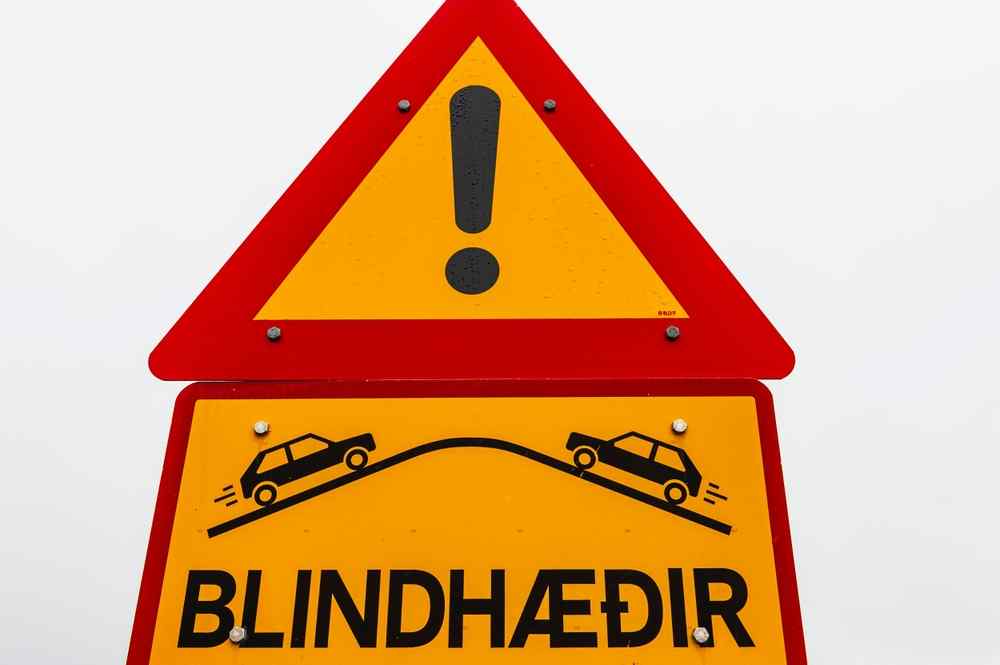
This sign has a vehicle cresting a rise. It means you cannot see what is coming over the other side. Blindhæð is one of the more common Icelandic street signs you will encounter on rural roads, and it is easy to underestimate.
The hill looks manageable. The road looks clear. That is exactly the point. Slow down before the crest, stay to the right, and do not overtake. Nothing on the other side is visible until you are already there. For campervans, the sightline is not the main problem.
Taller vehicles actually see slightly further over a rise. The issue is stopping distance. A heavier vehicle moving at speed needs considerably more road to stop than a car does. By the time something appears over the crest, the gap closes faster than most drivers expect.
Strong Wind
The strong wind sign displays a car being pushed sideways by diagonal wind lines. Among Iceland traffic signs, this is the one most people underrate and the one that causes the most problems for campervan drivers. It means there is an exposed section ahead where crosswinds can affect your ability to control the vehicle.
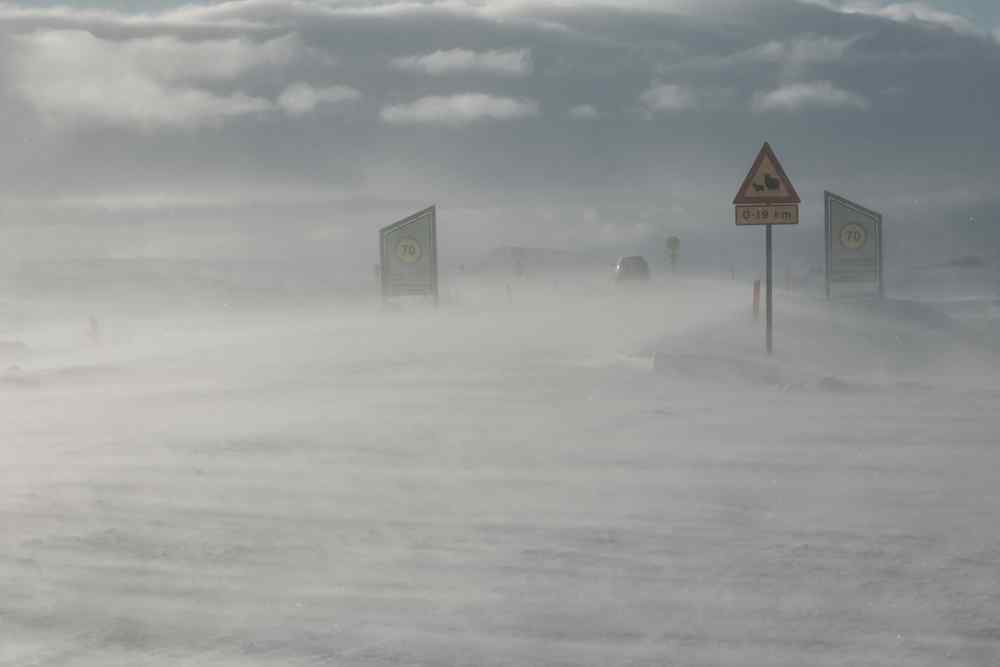
Slow down before you reach the exposed stretch. Both hands on the wheel. Be particularly careful when exiting tunnels, crossing bridges, or rounding headlands. These are the points where wind hits suddenly rather than gradually, and sudden is the problem.
For high-sided vehicles, this sign carries more weight than almost any other warning on Icelandic roads. A standard car gets pushed. A campervan or motorhome gets pushed harder, with less ability to correct quickly. The physics are straightforward. More surface area, more force, less margin.
Iceland's weather changes fast, and wind conditions can change between the time you check a forecast and the time you reach the exposed stretch. When you see this sign, treat it for what it is.
Animals on Road
It is a sheep silhouette on a yellow diamond. One of the more distinctly Icelandic traffic signs you will come across, and not there for atmosphere. Livestock in Iceland roam freely. Sheep are everywhere in summer. Horses appear on rural roads without warning. In the east, reindeer are a real possibility.
Almost none of them move out of the way if they are standing in the middle of the road. Slow down in areas where this sign appears, stay alert around bends, and do not assume an open stretch means a clear one. Animals appear quickly and without pattern. In a campervan, you also have less visibility, low and close to the front of the vehicle.
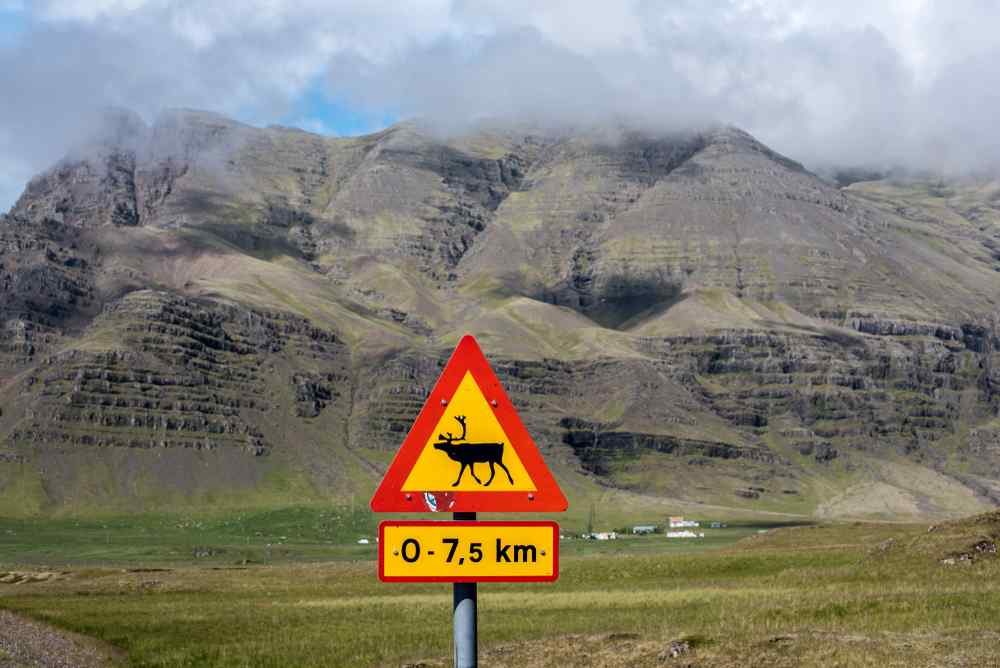
By the time an animal registers in your sightline, you are already closer than you think. Hitting livestock in Iceland can result in serious financial consequences for the driver. Camper Rental Iceland's team can advise on what your rental agreement covers in this situation.
Prohibitory Signs
Prohibitory signs are red-bordered circles. They are legal restrictions. Here are the ones you are most likely to encounter.
- No Parking: You cannot leave your vehicle here. This applies to campervans too, regardless of how convenient the spot looks.
- No Stopping or Parking: Stricter than the above. You cannot pull over even briefly.
- No Entry: The road ahead is closed to vehicles. This is not a recommendation.
- No Right Turn: Self-explanatory. The turn is not permitted at that junction.
- No Overtaking: Do not pass other vehicles in this section. Common near blind hills and narrow stretches.
- Stop Sign: Come to a complete stop. Not a slow roll. A full stop.
- Weight Limit: The road, bridge, or structure ahead has a maximum load rating. Check your vehicle's gross weight before your trip. Loaded campervans and motorhomes are heavier than most drivers account for.
- Height Limit: A maximum clearance is in place. This matters more than most campervan drivers realise until they are already committed to an entrance.
For campervan drivers, the practical restrictions go beyond the obvious. Height bars at car park entrances, bridge load limits, and tunnel restrictions all apply to larger vehicles in ways that do not affect a standard car. Some parking areas in Reykjavík are not physically suitable for taller or longer vehicles.
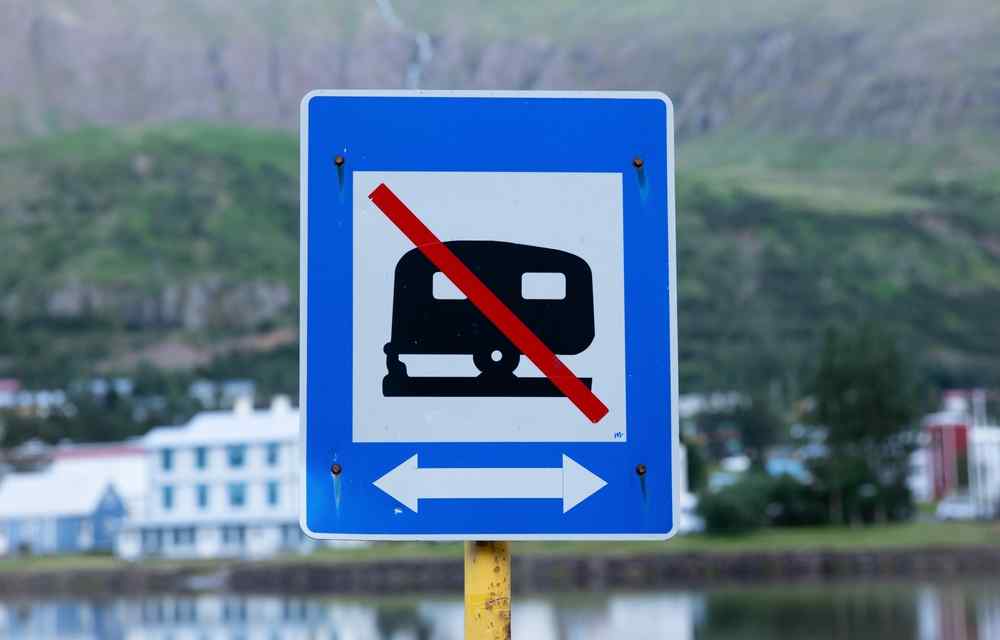
If you are driving a motorhome, check before you commit to a route through the city centre. The two that catch people out most at scenic stops are no parking and no stopping. A pullout that looks like a parking area may not be one. Check the signs before you shut off the engine.
F-Road and Highland Signs
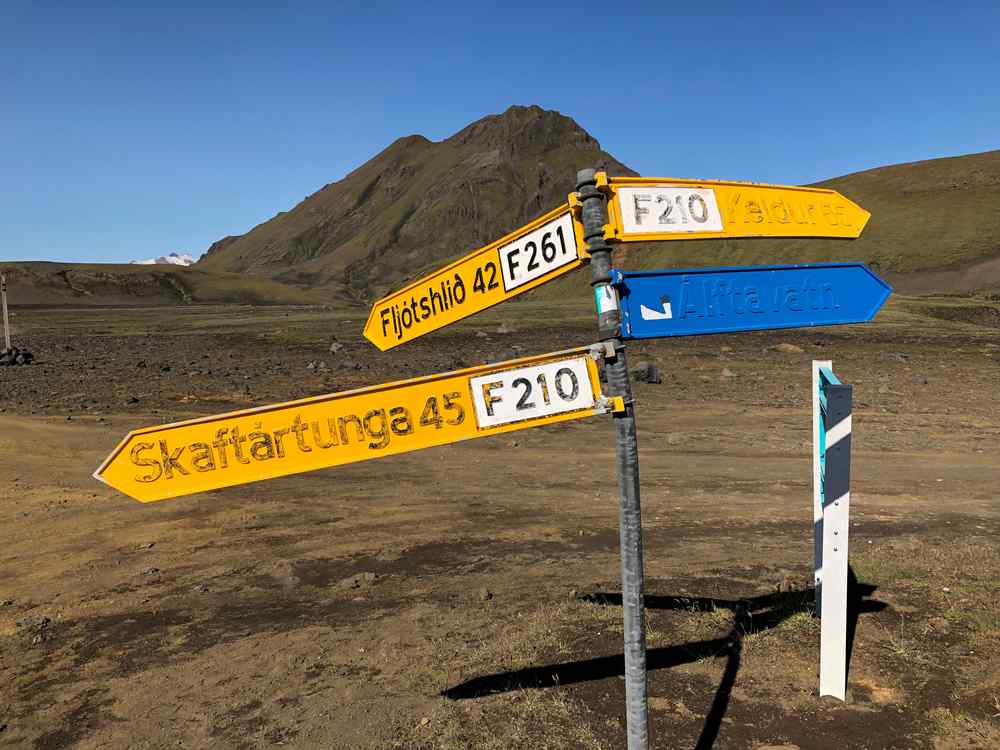
F-road signs are among the most important Iceland road signs you will encounter, and the most ignored by first-timers. An F followed by a route number means you are looking at a Highland road. They are restricted routes with legal access requirements. ONLY 4x4s are allowed on these roads. A standard 2WD campervan does not qualify, and entering an F-road in one is not a grey area.
F-roads can involve unbridged river crossings, loose and uneven surfaces, steep gradients, and terrain where rescue access is limited or non-existent. A vehicle that gets stuck or damaged in the Highlands creates a serious problem. Recovery costs for preventable incidents are not covered by standard rental insurance.
Seasonal closure signs and road-closed signs on Highland routes carry the same weight. If the road is signed as closed, it is closed. Opening dates vary by year depending on snowmelt and ground conditions. Assuming it is passable because it looks clear is how people end up stranded.
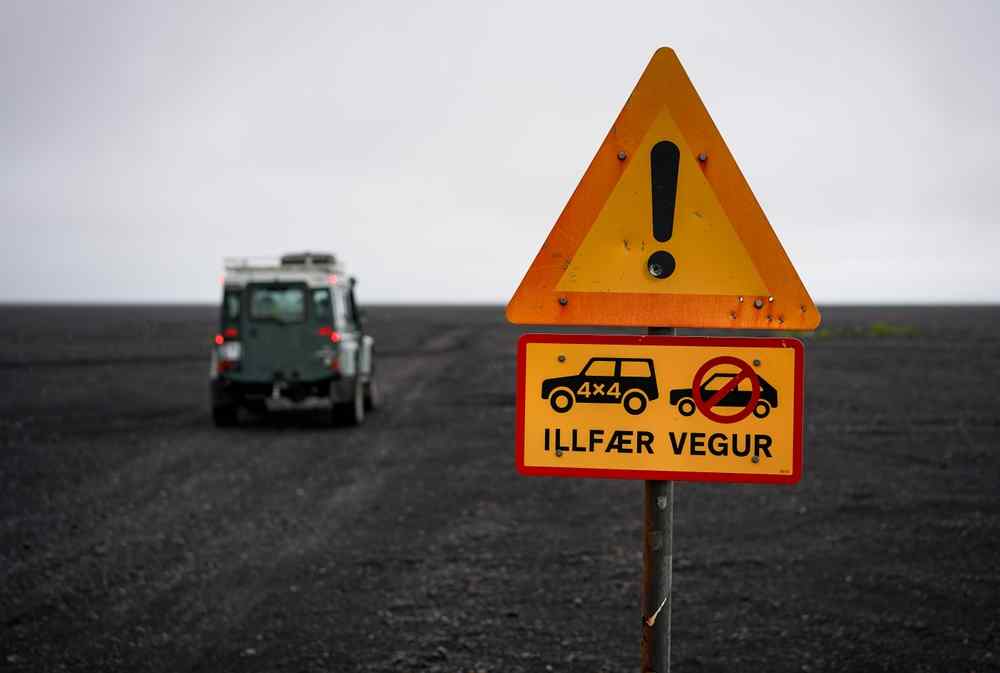
Before any trip that takes you near the Highlands, check Umferdin.is for current conditions and consult Safetravel Iceland. Both are free, updated regularly, and neither takes long to check. When browsing vehicles on the Camper Rental Iceland website, each listing shows whether F-roads are approved or not. Check that field before you book, not after you arrive.
Camping and Parking Signs
Camping and parking traffic signs in Iceland are worth understanding before your first night on the road, because the rules are stricter than many might expect. A green tent icon marks a designated campsite. A crossed-out tent means camping is prohibited at that location. These signs appear at parking areas, viewpoints, and roadside stops across the country. A spot with a view does not mean a spot with permission.
Campervan drivers cannot assume that any parking area allows overnight stays. Many of Iceland's most visited locations, waterfalls, coastal pullouts, and canyon viewpoints have clear signage restricting overnight parking. It is enforced. The fine is not the worst part. Being asked to move at midnight is.
In towns and cities, parking time-limit signs apply. Reykjavík has metered and time-restricted zones throughout the center. Blue P signs with time indicators tell you how long you can stay. Pay attention to them. Not all car parks in Iceland are suitable for larger vehicles.
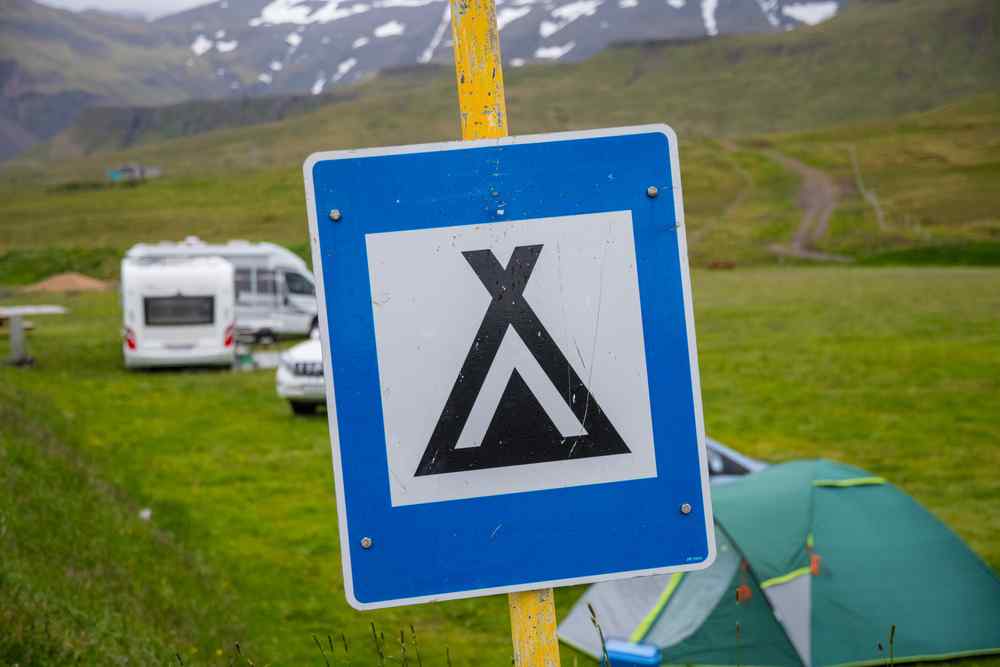
Standard car park bays are often too narrow or too short for a campervan or motorhome. If there is no sign explicitly permitting overnight stays, do not assume it is allowed. Find a designated campsite. Iceland has enough of them that improvising is rarely necessary.
Icelandic Words on Road Signs
Rural road signs in Iceland do not always come with an English translation. You see the sign, you see the Icelandic, and that is it. These are the terms worth knowing before you leave Reykjavík. Screenshot this section.
- Malbik endar (mal-bik en-dar): Pavement ends. The paved road stops here, and gravel begins. Slow down before you reach the surface change.
- Einbreið brú (ayn-brayed broo): Single-lane bridge. One vehicle at a time. Check for oncoming traffic before you commit to the crossing.
- Blindhæð (blind-haith): Blind hill. You cannot see over the crest. Slow down, stay right, no overtaking.
- Malarslóð (ma-lar-sloth): Gravel track. Rougher and looser than a standard gravel road. Not suitable for all vehicles.
- Vegur lokaður (vay-gur loh-ka-thur): Road closed. Do not proceed. This applies regardless of how passable it looks.
- Hægt (haikt): Slow down or go slowly. Usually appears near hazards, worksites, or sensitive areas.
- Athugið / Ath. (ah-thoo-gith): Attention or caution. A general warning that something ahead requires your focus.
- Akstur bannaður (ak-stur ban-a-thur): Driving prohibited. The road or area ahead is closed to vehicles entirely.
FAQ
Do I need an international driving permit to rent a campervan in Iceland?
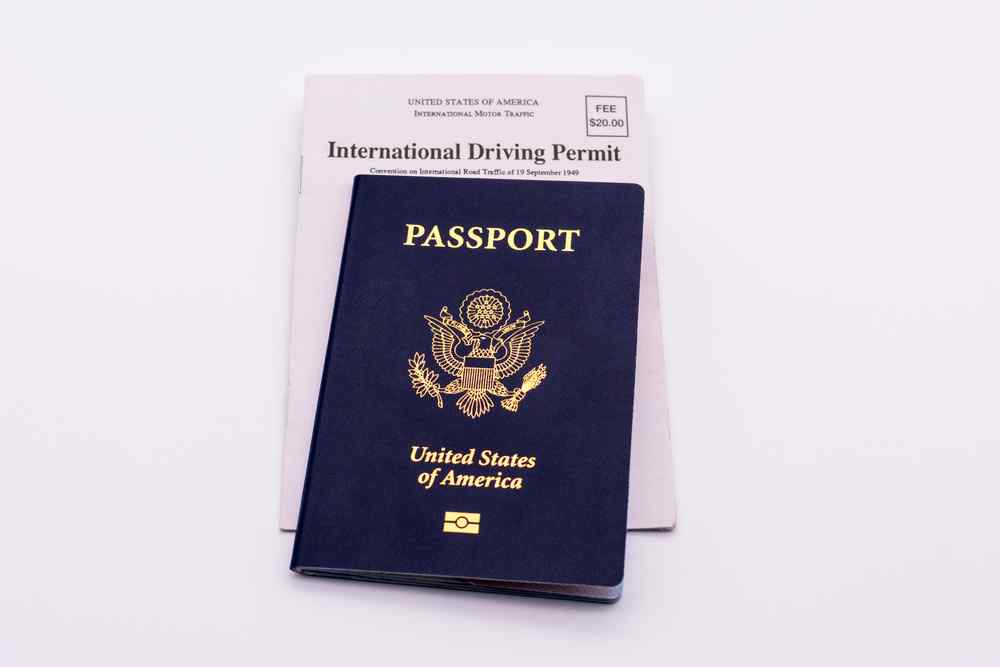
A valid license in Latin script is enough. If yours is not in Latin letters, bring an International Driving Permit. Check with Camper Rental Iceland at booking to confirm what they require.
Are Iceland's road signs in English?
Not always. Signs in towns and on major routes are often easy to follow, but rural roads may use Icelandic text only. The glossary section above covers the terms you are most likely to encounter.
What happens if I ignore an F-road sign?
You risk damaging your vehicle on terrain it is not built for, voiding your rental insurance, and potentially requiring a rescue that comes at your own expense. F-road restrictions are legal requirements.
Can I park my campervan anywhere overnight?
No. Many popular locations have signs that explicitly prohibit it, and it is enforced. If there is no sign permitting overnight stays, find a designated campsite.
Are speed cameras common in Iceland?
Yes. They are present and not always signed in advance. Treat every stretch like one might be there.
What does a flashing orange light on a sign mean?
It signals a temporary hazard or warning ahead. Slow down and proceed with caution.
Is it legal to drive on riverbeds or off-road in Iceland?
No. Off-road driving is illegal in Iceland, and driving outside marked roads or tracks can result in fines and serious environmental damage.


