
 By
By
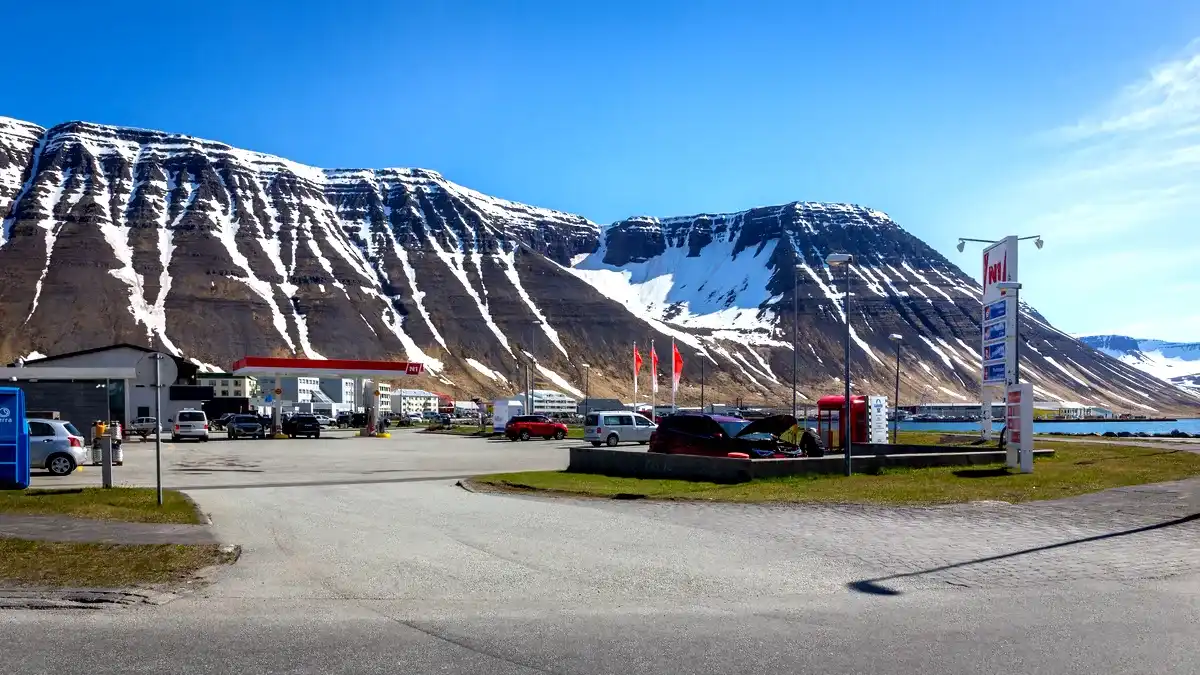
Traveling through Iceland presents a unique adventure, with its breathtaking landscapes of volcanoes, glaciers, and hot springs. However, navigating gas stations in this sparsely populated country can be a bit different from what you're used to. This guide provides essential information on gas stations in Iceland, ensuring a smooth and worry-free journey in your campervan rental.
Map of Gas Stations in Iceland
A map of gas stations in Iceland is an invaluable tool for planning your journey. These maps highlight the locations of gas stations across the country, particularly useful when venturing into less populated areas. You can find such maps online or via specific apps designed for travelers in Iceland, including on Google Maps.
Understanding Gas Stations in Iceland
Iceland's gas stations are more than just places to refuel your car; they often serve as mini-markets, cafes, and sometimes even restaurants, providing a range of services from hot meals to free Wi-Fi. Given Iceland's remote areas, gas stations can be few and far between in some areas, especially when exploring the Highlands or driving on the F-roads. Therefore, it's crucial to plan your refueling stops ahead of time and never pass up the opportunity to fill up.
How to Use Gas Stations in Iceland
- Self-Service Stations: The majority of gas stations in Iceland are self-service. To use these, you'll need a credit or debit card with a PIN to pay at the pump. Some stations may require you to pre-authorize a certain amount before pumping, which will be adjusted to the actual amount you refuel.
- Unmanned Stations: Some stations, especially in rural areas, are unmanned stations with only fuel pumps, no store. In these locations, paying with a credit or debit card and PIN is the only option.
- Full-Service Stations: While less common, some full-service stations exist where an attendant can assist you with refueling. These are more likely to be found in larger towns or cities, and you will need to go inside to request the service.
- Payment: Most gas stations in Iceland accept major international credit and debit cards. It's important to note that cash transactions are becoming increasingly rare, especially in rural areas.

Important Note: If you select the “full tank” option, a hold of up to 20,000 ISK (~$160 USD) will be placed on your card for the maximum amount. After filling up, you may see two charges on your card, one for the hold amount and one for the actual amount. The hold will clear within a few days. You can avoid this hold by choosing a specific amount, buying gas cards, or paying inside the station if there’s a store.
Fuel Types and Prices
Iceland offers both petrol (usually marked with a green handle) and diesel (marked with a black handle). Fuel prices in Iceland are higher than in many other countries due to taxes and the country's remote location. Gas prices fluctuate, but expect to pay around 200-260 ISK ($1.62-$2.07 USD) per liter, depending on location and fuel type. Keeping an eye on fuel costs as part of your travel budget is advisable.
The Essential Guide to Gas Station Brands in Iceland
Navigating Iceland's roads is an adventure that requires a reliable guide to the various gas station brands dotting this majestic landscape. From the bustling capital of Reykjavik to the remote reaches of the Westfjords, knowing where to fill up is crucial. Here's what you need to know about the gas station brands that fuel Iceland's journeys.
|
Brand |
Key Factor |
Price |
Availability |
Service Style |
Notable Perks |
|
N1 |
Largest network, full-service stops |
$$$ |
Most widespread |
Staffed + Self-service |
Shops, food, amenities |
|
Olis |
Full-service chain with extras |
$$-$$$ |
Common |
Staffed |
Discount key fobs from rental companies |
|
ÓB |
Budget version of Olis |
$ |
Moderate |
Mostly unmanned |
Low operational costs, cheaper fuel |
|
Orkan |
Popular low-cost chain |
$ |
Very common |
Self-service, 24-7 |
Consistently competitive pricing |
|
Atlantsolía |
Small, minimalist brand |
$-$$ |
Limited (smallest network) |
Self-service |
Competitive pricing, fewer amenities |
|
Costco |
Cheapest fuel overall |
$ |
One location in Reykjavík |
Staffed |
Requires membership |
Orkan – The Budget-Friendly Choice
Orkan stands out as the go-to option for travelers looking to make the most of their fuel budget. Renowned for its self-service model, Orkan passes on the savings from its lean operational approach directly to customers, offering some of the most competitive fuel prices in Iceland. With its distinctive pink and white branding, Orkan stations are a welcome sight for budget-conscious road trippers.
Olís – The Veteran of Icelandic Roads
Olís is the granddaddy of Icelandic gas stations, with a history stretching back to 1927. This brand has been fueling Iceland's vehicles for nearly a century, making it a staple of the Icelandic road experience. Olís stations are fully serviced, offering a wide range of amenities beyond fuel, including food, groceries, and even car washes. Their extensive network ensures you're never far from a reliable refueling point.
ÓB – Easy and Economical
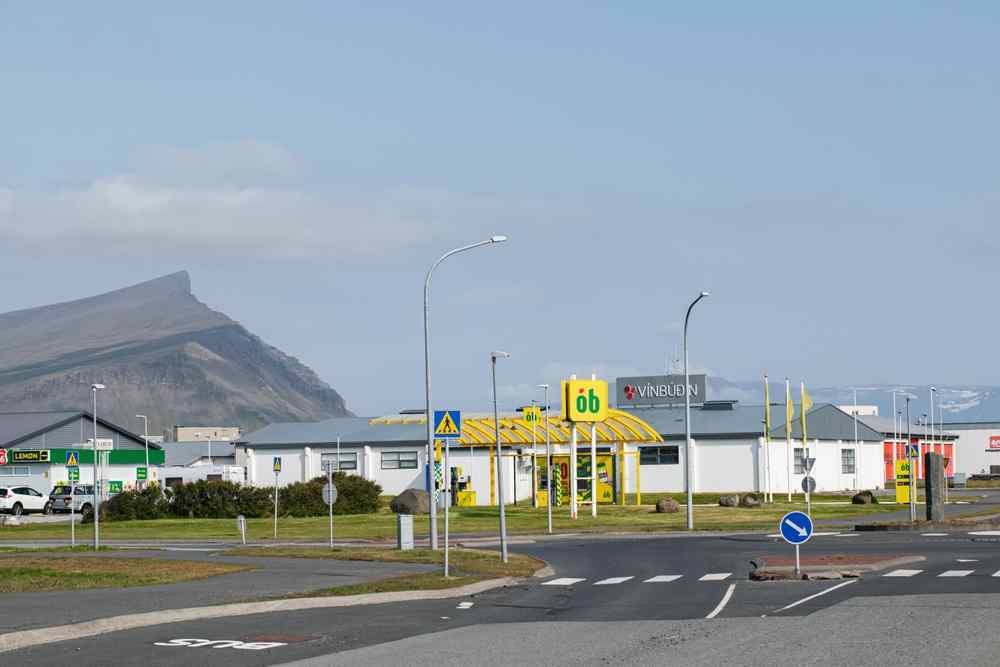
ÓB wins the prize for simplicity, both in name and service. This self-service chain, operated by its competitor Olís, offers an easy-to-use option for drivers. With a focus on keeping operational costs low, ÓB stations provide an economical choice for travelers, reflected in their competitive gas prices.
Atlantsolía – The Underdog
Atlantsolía may be the smallest player in the Icelandic gas station scene, but it punches above its weight with its commitment to low prices and unmanned convenience. Established in 2003, Atlantsolía has embraced a fully automated model, allowing it to offer some of the lowest fuel prices in Iceland. However, travelers should be prepared for the lack of on-site amenities, including restrooms.
N1 – The Full-Service Leader
N1 takes pride in offering a comprehensive service experience, aiming to be more than just a place to fill up your tank. With a broad array of services, including grocery stores, quality food options, and attentive staff, N1 stations are perfect for those looking to replenish both their vehicle and themselves. Their widespread presence makes N1 a reliable companion for any Icelandic adventure.
Costco – The Newcomer
Costco is the most recent addition to the Icelandic gas station market, initially making waves with its low prices. However, the requirement to be a Costco member to use their services has tempered the initial excitement. Costco operates a single station in Reykjavik, offering an alternative for members looking to capitalize on their membership benefits.
Distances Between Stations on the Ring Road
One of the biggest challenges that becomes evident when you look at an Iceland gas station map is the distance between stations in some locations. Some parts of the Ring Road have long stretches where you won’t encounter a gas station for quite some time, making it vital to fill up when you do see one. Below, we’ll look at some of the longest distances you can expect:
|
Route Segment |
Approx. Distance |
Fuel Availability |
Risk Level |
Notes |
|
Egilsstaðir → Höfn |
~255-260 km |
1 small, limited stop |
High |
Long, remote coastal drive with sparse services |
|
Kirkjubæjarklaustur → Höfn |
~205 km |
No stations |
Critical |
Widely cited as the longest “no fuel” stretch |
|
Egilsstaðir → Mývatn |
~170-180 km |
One mid-way option |
High |
Limited reliability in bad weather |
In most parts of the Ring Road, you can expect to encounter a gas station about every 50-100 km. However, in the southeast and east parts of the country, you can easily go 200 km between stations. Refueling when your tank gets to the halfway mark is the best way to avoid running out of fuel in remote regions.
How to Pay for Fuel in Iceland
One of the most important parts of planning for fuel in Iceland is how to pay for it. Paying at the pump generally requires a credit or debit card with a PIN, but some kiosks accept Apple Pay and similar options. If you wish to pay with a credit card that doesn’t have a PIN, you can pay inside the station if there is a store.
Prepaid Fuel Cards
If you’re traveling in more remote areas where unmanned stations may be common, buying a prepaid gas card is a good alternative. While buying one will limit you to a specific brand, it avoids the need for a PIN at unmanned stations and eliminates the risk of a hold on your card. If you have funds left at the end of your trip, you can also use these cards inside station stores for snacks or other items.
EV Charging Stations
While many campervans still run on gas or diesel, the number of hybrid campervans available is growing. These vehicles are more fuel-efficient, allowing you to pay less on fuel. However, you will also need to familiarize yourself with the location of EV charging stations along the way, especially if you rent a plug-in hybrid.
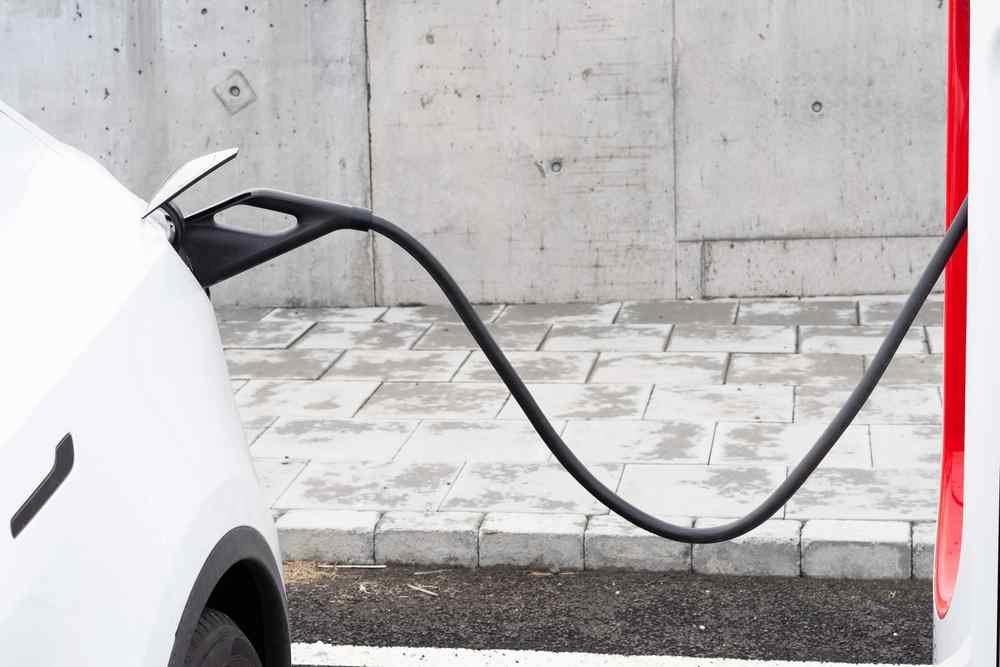
The good news is that Iceland has an extensive network of charging stations throughout the country, particularly along the Ring Road. You will find them at fueling stations like Olis and N1, in towns, and at hotels and campgrounds. Some parking lots also have them. The most common providers are ON Power and Ísorka. ON is the largest network of fast chargers in the country.
Will You Need Charging Stations?
Whether you need charging stations depends on the type of hybrid campervan you rent. Standard hybrids generally charge as you drive and won’t require a charging station. However, if you rent a plug-in hybrid, you will need to find places to charge it. You can expect to mainly use the fuel tank, as the charge is only good for 40-80 km.
Practical EV Tips
Remember, EV charging takes longer than traditional fuel stops. It’s generally best to treat your plug-in hybrid as a fuel-first vehicle. Limit your use of chargers to overnight stays and longer stops, such as meals or longer hikes. Just like traditional campervans, fill up when your tank is at 50%. We recommend downloading an app like PlugShare or the ON Power app to help you find charging stations.
Fuel Tips for Campervan Travelers
Planning fuel stops is one of the most important factors in your Ring Road trip. The Golden Rule is to fill up at 50%, every time, no exceptions. You’ll find stations frequently in many parts of the country, but some areas have longer stretches between stations, and sometimes, stations may be closed. Don’t forget that weather and winding or steep roads can affect your fuel efficiency.
Beyond this Golden Rule, there are a few other things that can improve your overall experience:
- Consider buying a prepaid card to avoid holds on your card
- Map out your fuel stops ahead of time
- Don’t confuse the fuel types; know what type your campervan requires
- Use the discount key fob provided by your rental company
- Expect fuel prices to be a little higher in more remote regions
Average Fuel Consumption
|
Campervan Type |
Average Fuel Consumption |
Notes |
|
Small Camper (2 passengers) |
5-7 liters/100 km |
Most fuel-efficient, ideal for couples |
|
Medium Camper (2-3 passengers) |
6-8 liters/100 km |
Good balance of space and efficiency |
|
Large Camper (3-5 passengers) |
8-10 liters/100 km |
Most common family option |
|
Motorhome (4-6 passengers) |
10-13 liters/100 km |
Highest consumption, more comfort |
|
Plug-in Hybrid Camper |
2-4 liters/100 km |
Low consumption tied to frequent charging |
The Ring Road alone is about 1300 km (~800 miles) without factoring in any detours. To drive the entire Ring Road, you can expect to pay as little as $42-$54 USD for a hybrid campervan or as much as $274-$350 USD for a full-size motorhome.
If you know the exact fuel consumption for the campervan you plan to rent, you can calculate your fuel costs more accurately with the following formula: Distance Traveled (km) x Consumption (km/100 L) ÷ 100 x Fuel Price per Liter.
Factors That Increase Fuel Consumption
The above formula is based on ideal fuel consumption. However, Iceland doesn’t always provide ideal driving conditions. The following factors can decrease your fuel consumption and increase the cost of gas for your trip:
- Driving in strong headwinds
- Taking F-roads or gravel roads
- Running heaters in some models
- Carrying heavy loads
Smaller vans tend to be more fuel-efficient, even when they aren’t hybrid vehicles, but actual fuel costs will depend on the weather and your travel style.
Frequently Asked Questions About Icelandic Gas Stations
How do gas stations work in Iceland?
Gas stations in Iceland primarily operate on a self-service basis. Drivers use their credit or debit cards to activate the pump before filling up their tanks. Instructions are usually available in English at the pump or inside the service area.

What is the most popular gas station in Iceland?
N1 is one of the most popular and widespread gas station chains in Iceland, known for its extensive network across the country, including remote areas.
How do you gas a car in Iceland?
To gas a car in Iceland, insert your credit or debit card into the pump's card reader, enter your PIN, select the amount of fuel or press the "fill" option, and then proceed to fill your tank. Remember to replace the nozzle and collect your receipt.
Do gas stations in Iceland put a hold on your card?
Yes, some gas stations in Iceland may put a temporary hold on your card when you pre-authorize an amount before pumping gas. This hold is adjusted to the actual cost of the fuel you dispense and is released shortly after the transaction, but it can sometimes take a couple of days.
Can I rely on gas stations being open 24/7?
No, not all gas stations operate 24/7. Many self-service and unmanned stations are available 24/7, but rural locations may have limited hours. Outages can also occur, but aren’t common. Never rely on a single station. Always have a backup.
What happens if my card doesn’t work at the pump?
If your card doesn’t work at the pump, you will need to go inside the store to pay. If the station doesn’t have this option, you will need to try another one. This is why it’s often a good idea to get a gas card as a backup.
Are fuel stations available in the Highlands?
No, F-roads don’t have fuel stations. If you plan to drive into the Highlands, plan to fill up before you go. If you’re driving one of the longer stretches, such as Sprengisandur, consider a fuel can to carry extra fuel with you.
Traveling through Iceland requires a bit of planning, especially when it comes to refueling. By understanding how gas stations operate, what fuel types are available, and where to find them, you can ensure a smooth and enjoyable journey across this stunning island nation. Remember to keep an eye on your fuel level and never miss an opportunity to top up, ensuring your Icelandic campervan adventure is as seamless as the landscapes are breathtaking.


