

 By
By
Iceland is darn expensive without a doubt. In fact, it actually ranks amongst the top ten most expensive countries in the world. So, if you’re asking how much a trip to Iceland costs, you’ll see numbers like $100 to $150 USD per person per day on other blogs.
That’s the optimistic version if you ask us. In reality, most trips land closer to $250 once you factor in how people actually travel here. The mistake is always the same. Flights get all the attention, but transport and food are what quietly drain the budget.
This isn’t a budget guide. It’s what you’ll actually spend based on real trips we see every day. Your total cost comes down to one decision. How you move and where you sleep.
Quick Answer: Daily Budget by Travel Style
If you really want to know how much a trip to Iceland is, then you’re looking at €120-180/$150-250 per person per day on a budget.
That’s IF you’re cooking, driving a small camper, and skipping most paid activities. Some people make it work until they decide that they want a proper meal or two. €180-300/$220-370 is where most people end up in reality.
This is mid-range if you do a bit of cooking, visit a few restaurants, and take a few tours. Most people quietly drift into this range, even if they started with tighter plans. If you want to go the luxury route, then you can bargain on roughly €300-500 / $370-600. That includes hotels, eating out, and booked experiences.

Flights to Iceland
- US flights: $300-600 return.
- Europe: €100-300 return.
Getting to Iceland is not the most expensive part of the trip. It looks like it should be. It isn’t. Flights are usually one of the easier costs to control.
From the US, East Coast routes like Boston and New York are the cheapest and most consistent. You’ll regularly see deals under $400 outside peak summer. The West Coast and Midwest flights cost more, especially if you need a connection.
From Europe, it’s straightforward. 2 to 4 hours from most major cities. Budget airlines run frequent routes, and cheap fares show up often. Just don’t expect luggage or extras to be included.
Book 2-4 months ahead if you want reasonable prices. Shoulder season is when you can save a lot. Midweek flights are usually cheaper as well.
Campervan Rental vs Car + Hotel
If you’re coming to Iceland on a budget, then this is the most important decision you can make. Start with the simple version. A campervan combines transport, accommodation, and basic living into one cost. A car and hotel split that into multiple expenses that stack quickly.
Campervan (2 people)
If you rent a campervan in Iceland, your base cost is the vehicle. Here’s an example from our fleet:
Fiat Doblo Maxi
- Peak season: €50 / $58 per day
- Shoulder season: €27 / $32 per day
- Off-season: €27 / $29 per day

From 1 January 2026, there is also a government road tax of €10 / $11 per day, paid on arrival. That means your daily transport and accommodation cost can realistically sit between €37-60/$40-69, depending on the season, before fuel and campsites.
You sleep where you park, within campsite rules. You carry your kitchen with you. You are not checking in and out of places every day. Long trips on the Ring Road are easier to manage when your setup moves with you.
Car + Hotel
Now split everything apart.
- Car rental: €60-120/$75-145 per day
- Hotel: €150-300/$185-365 per night
- Road Tax: €10 / $11 per day
That’s before food. And you will be eating out more often because you don’t have a kitchen. So instead of one cost bucket, you now have four:
- transport
- accommodation
- Food
- Road tax
Where Each Option Wins
Campervan:
- Ring Road trips
- multi-stop itineraries
- controlling total spend
Car + hotel:
- higher comfort
- winter travel for some visitors

Fuel Costs
Gas prices are around €2.30-€2.50/$2.50-$2.70 per liter. Expensive, sure. Still not what catches people off guard. Your actual driving distance does.
Everyone comes in thinking they’ll drive the Ring Road. 1,332 km (828 miles). Nice, neat number. It looks manageable. You won’t. It turns into 1,800… 2,000… sometimes more. When you miss a turn, you have to double back. You see a sign for something and just go. That’s how it works here.
What the Numbers Actually Look Like
- Compact car (6.5 L/100 km) - €270-370/$300-410
- SUV (8.5 L/100 km) - €350-480/$390-530
- Small camper (10-12 L/100 km) - €420-660/$460-730
- 4x4 camper (14-16 L/100 km) - €600-900/$650-970
- Motorhome (18–22 L/100 km) - €800-1,200/$840-1,330
Where People Get It Wrong
The math looks simple until you’re actually driving. Wind alone can push fuel consumption up by 15-20%, especially along the South Coast. Gravel roads increase it again. You drive slower, the engine works harder, and you go through fuel faster.
Then there are detours. They’re not optional. You’ll take them. That ‘short’ turnoff to a waterfall. A missed junction. Driving 40 km (25 miles) just to see if the weather clears. It adds up without you noticing.
A compact car might look like the cheapest option on paper. It is, until you realize where you can’t go. A small camper sits in the middle. Higher fuel cost, but you’re saving on accommodation. A 4x4 camper gives access, but you pay for it at the pump.
Plan realistically.
- €500-700/$550-770 for a small camper.
- €700-900/$770-990 for a 4x4.

Food and Groceries
How much does a trip to Iceland cost if you don’t manage your food properly? Since the cost of living in Iceland is already high, after accommodation, food is usually the second biggest shock. The gap between cooking and eating out is not small. It’s the difference between roughly €25-35/$28-40 per day or €70-120+/$75-130+.
Cooking
Bónus and Krónan are the only places you should be shopping if you care about cost. Anything like 10-11 or smaller convenience stores will be 20-30% more expensive for the same items. A week’s groceries for one person, basics like pasta, rice, chicken, eggs, vegetables, bread, and snacks, usually cost around €70-90/$75-100 if you don’t get carried away.
Breakfast and lunch are cheap if you keep them simple. Oatmeal, sandwiches, fruit. Around €5-8/$6-9 per day. Dinner cooked in a camper or hostel kitchen will be closer to €12-18/$13-20 per person.
Local lamb and skyr are often cheaper than imported food. Pre-cut vegetables cost more for no reason. If you want decent meals, bring spices with you. Alcohol is not part of this budget. A beer in a bar is €10-12/$11-13. From Vínbudin, €3-4/$3-5 per can if you buy it yourself.

Eating Out
A basic lunch, soup, and simple sandwich cost €18-25/$20-28. Dinner is a different story. A main meal at a mid-range restaurant in Reykjavík costs €35-50/$40-55 before drinks. Add a starter, dessert, and beer, and you’re easily at €70-90/$75-100 per person for one meal.
Fast food doesn’t really help. A burger and fries are €15-18/$17-20. The famous hot dog runs €5-7/$6-8. Coffee is €5-7/$6-8. A slice of cake, €8-10/$9-11. Most people plan one or two restaurant meals. Then it turns into three or four. Suddenly, €250-400/$275-440 is gone on food for the week.
If you’re trying to stay on budget, limit eating out to one or two proper meals and cook the rest. If you’re mid-range, expect €40-60/$45-65 per day, mixing groceries with the occasional restaurant.
Campsite Fees
The cost of a trip to Iceland changes quickly depending on where you sleep, and campsites are one of the few places you can still control it.
In 2026, campsite fees are around €11-18/$12-20 per person per night. Premium locations near places like Skaftafell, Þingvellir, and Vík push closer to €20/$22. Most sites include toilets, cold water, and access to a shared kitchen.
Extras are where the total creeps up. Showers cost €6-9/$7-10 per use. Electricity hookups run €3-5/$3-6 per night. Laundry costs around €5-8/$6-9 per load. On top of that, there’s a mandatory tourist tax of about €2.80/$3 per night per tent or camper.
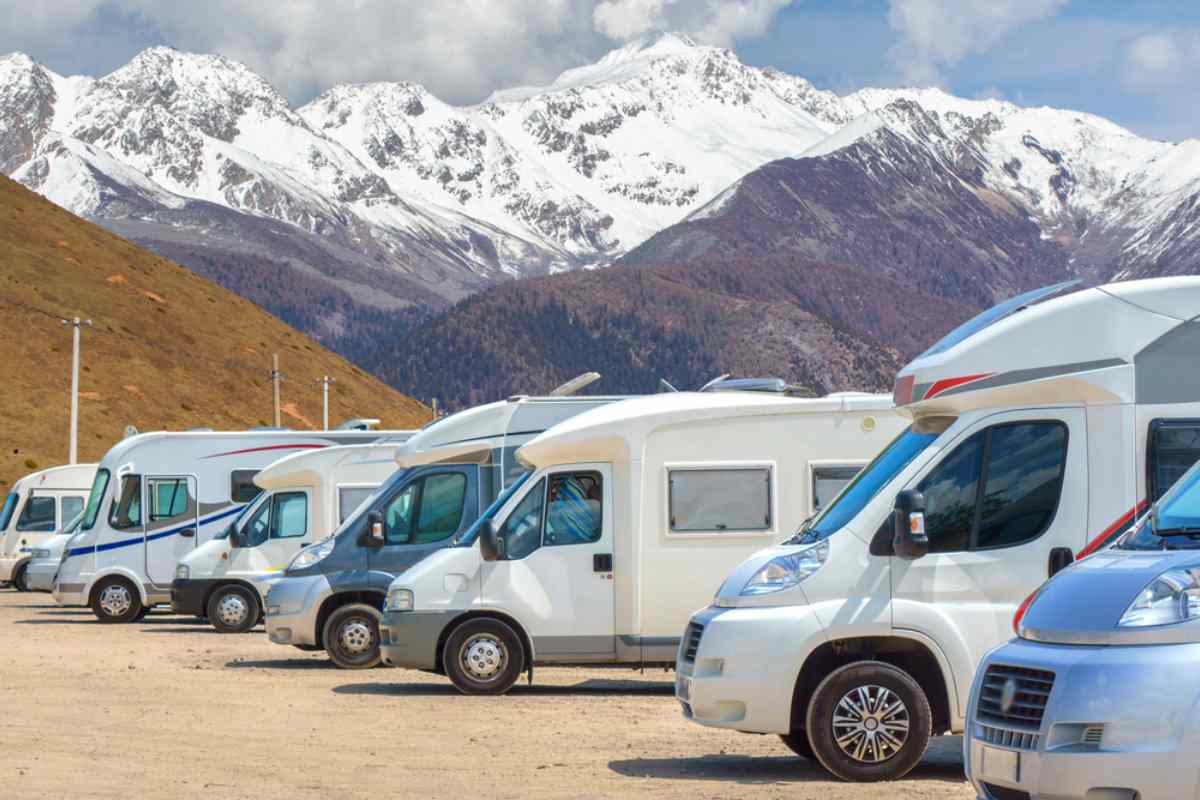
When The Camping Card Makes Sense (and When It Doesn’t)
The Camping Card costs €179/$187 and covers up to 28 nights at 40+ campsites during peak season, May to September. The idea is simple. You pay once and stay multiple nights.
Buy the card if:
- Staying long enough - You’re camping 7+ nights as a solo traveler or 5+ nights for two people. That’s where it starts making sense.
- Doing a standard route - Your trip sticks to the Ring Road and main tourist areas where most participating campsites are located.
- Traveling in peak season - June to August, especially when all participating sites are open.
- Actually using it consistently - The more nights you use it, the more it works in your favor.
Skip the card if:
- Short trip - Fewer than 5-6 camping nights.
- Off-season travel - October to April, many of the included campsites are closed anyway.
- Going remote - Highlands and Westfjords have limited participation, so you’ll end up paying anyway.
- Wanting flexibility - If you plan to stay at smaller private campsites or camp with landowner permission, the card restricts you.

Activities and Attractions
Most of the best things you’ll see cost nothing. You can go a full week hitting major sights without paying for access. Waterfalls, beaches, geothermal areas, hiking trails. All free. That’s the upside here.
You’re not paying to see Skógafoss, Seljalandsfoss, Reynisfjara, Þingvellir, Geysir, Gullfoss, or Jökulsárlón. You just show up.
Free Must-Sees
You can build most of your itinerary around these and not spend anything on entry:
- Waterfalls - Skógafoss, Seljalandsfoss, Gullfoss, Goðafoss, Dettifoss. The last one is Europe’s most powerful.
- Beaches - Reynisfjara for black sand, Diamond Beach for ice, and Raudasandur for pink sand.
- Geothermal areas - Geysir, where Strokkur erupts every 5-10 minutes, plus Seltún, Hverir, and Mývatn.
- National parks - Thingvellir with tectonic rifts, Skaftafell for glacier access, and Snaefellsjokull further west.
- Hiking trails - Glymur, Fjadrargljufur canyon, Landmannalaugar in summer, and Storurd boulder field.

Paid Experiences (2026 Prices)
This is where Iceland’s travel costs start climbing. You don’t need to do these, but usually people still do a few.
Budget-Friendly (€10-50/$11-55)
- Local geothermal pools - €12-25/$13-28. Skip the Blue Lagoon; these are everywhere.
- Lava tunnel tour (Raufarhólshellir) - around €50/$55.
- Reykjavík museums - €15-25/$17-28. National Museum, Settlement Exhibition.
- Kerið crater - €5/$6 entry.
Mid-Range (€50-150/$55-165)
- Blue Lagoon - €55-85/$60-95 depending on package.
- Sky Lagoon (Reykjavík) - €70-95/$75-105.
- Whale watching - €80-110/$90-120 from Húsavík or Reykjavík.
- Glacier walk (Skaftafell) - €75-110/$85-120.
- Horse riding (1-2 hours) - €65-110/$70-120.
- Mývatn Nature Baths - €35/$40.
Premium (€150-300+/$165-330+)
- Ice cave tours (winter) - €150-220/$165-240.
- Snorkeling in Silfra - €150-180/$165-200 between tectonic plates.
- Full-day glacier hikes - €180-250/$200-275.
- Northern Lights super jeep tours - €120-180/$130-200.
- Helicopter tours - €400-800+/$440-880+.

Budget Profiles: 7-Day Trip for 2 People
How much does a trip to Iceland cost for 7 days? Here are some rough estimates for different types of travellers.
Budget Traveler (€2,300-2,900 total)
The setup is simple. Basic camper, cook everything, stick to free attractions. This is how you keep the cost of a trip to Iceland under control.
- Flights (EU/US) - €350-600/$400-700
- Campervan (2-berth, 7 days) - €650-800/$720-880
- Fuel - €450-550/$500-610 based on 1,800 km (1,120 miles)
- Campsites - €160-220/$175-240 for 7 nights, card or pay-as-you-go
- Food - €180-240/$200-265, all groceries from Bónus or Krónan
- Activities - €0/$0, everything is nature
- Miscellaneous - €60-100/$65-110 for showers and laundry
You’ll still see 90% of what matters. Waterfalls, beaches, hikes, and geothermal areas. The trade-off is obvious. No restaurants, basic living space, and the occasional cold shower.
Mid-Range (€3,800-5,200 total)
This is where most people end up, even if they planned cheaper. Better camper, some restaurants, and a few paid experiences.
- Flights (EU/US) - €350-600/$400-700
- Campervan (4-berth with kitchen, 7 days) - €850-1,100/$940-1,210
- Fuel - €500-600/$550-660 with more detours and a heavier vehicle
- Campsites - €180-240/$200-265
- Food - €450-600/$500-660, mix of cooking and 3-4 restaurant meals
- Activities - €300-500/$330-550, typically one lagoon, whale watching, or a glacier walk
- Miscellaneous - €120-160/$130-175

You get more comfort without losing control of the budget. You’re still moving freely, just spending more along the way.
Comfort (€7,200-9,800 total)
This is the opposite approach. You’ll pay for a car, hotels, restaurants, and multiple tours without compromises.
- Flights (EU/US) - €350-600/$400-700
- Car rental (4x4 SUV, 7 days, full insurance) - €750-1,000/$830-1,100
- Fuel - €500-650/$550-720
- Accommodation (7 nights, 3-4 star hotels) - €2,400-3,200/$2,650-3,530
- Food - €1,100-1,500/$1,210-1,650, mostly restaurants
- Activities - €700-1,000/$770-1,100, mix of premium experiences
- Miscellaneous - €200-350/$220-385
Everything is easier. You’ll have fixed stops, proper beds, full meals, and guided tours. You pay for that convenience.
10-Day Trip: 4 People Cost Comparison
How much does it cost to go to Iceland if you're a group of 4 for 10 days? It’s quite a big saving. Look at this table and see for yourself the difference in savings:
|
Expense Category |
Budget (2 Campervans) |
Mid-Range (2 Campervans) |
Comfort (2 SUVs + Hotels) |
|
Flights (4 people) |
€2,400-3,600/ $2,650-3,960 |
€3,200-4,800 / $3,520-5,280 |
€4,800-7,200 / $5,280-7,920 |
|
Vehicle rental (10 days) |
€1,400-1,800 / $1,540-1,980 (2 basic campers) |
€1,800-2,400 / $1,980-2,640 (2 mid campers) |
€1,600-2,200 / $1,760-2,420 (2 SUVs) |
|
Fuel (10 days, ~2,500 km / 1,550 miles) |
€1,100-1,400 / $1,210-1,540 |
€1,200-1,500 / $1,320-1,650 |
€1,100-1,400 / $1,210-1,540 |
|
Accommodation (9 nights) |
€360-500 / $400-550 (campsites) |
€400-550 / $440-605 (campsites) |
€5,400-7,200 / $5,940-7,920 (hotels, 2 rooms/night) |
|
Food (10 days) |
€700-900 / $770-990 (100% cooking) |
€1,400-1,800 / $1,540-1,980 (mix) |
€4,400-6,000 / $4,840-6,600 (restaurants) |
|
Activities |
€0 / $0 (free only) |
€800-1,200 / $880-1,320 (3-4 tours) |
€2,000-3,000 / $2,200-3,300 (multiple tours) |
|
Miscellaneous |
€200-300 / $220-330 |
€300-450 / $330-495 |
€600-900 / $660-990 |
|
TOTAL |
€6,160-8,500 / $6,780-9,350 |
€9,100-12,700 / $10,010-13,970 |
€19,900-27,900 / $21,900-30,700 |
|
Per person |
€1,540-2,125 / $1,695-2,340 |
€2,275-3,175 / $2,500-3,490 |
€4,975-6,975 / $5,470-7,670 |
For four people over 10 days, campervans cut €10,000-15,000/$11,000-16,500 compared to hotels and restaurants. The reason is simple. Hotels double because you need two rooms every night.
Food multiplies because everyone eats out. Activities scale per person. Campervans don’t scale the same way. You pay per vehicle, not per person. Accommodation and cooking stay flat, even as the group grows.
How to Save Money in Iceland
If you want to control the cost of the trip to Iceland, follow these simple tips:
- Shop at Bónus or Krónan - Groceries here are consistently cheaper. Convenience stores like 10-11 are 20-30% higher for the same items. This alone can save €50-100/$55-110 over a week.
- Cook most of your meals - Food is one of the fastest ways to overspend. Cooking keeps you around €25-35 / $28-40 per day. Eating out pushes that to €70-120+/$75-130+ without much effort.
- Limit paid activities - You don’t need many. Most of Iceland’s main sights are free. Pick one or two experiences and skip the rest. That’s €200-500/$220-550 saved immediately.
- Choose the smallest vehicle that fits your trip - A 4x4 costs more to rent and more to fuel. If you’re sticking to the Ring Road in summer, you don’t need it. Smaller campers and cars reduce both rental and fuel costs.
- Drive properly - Fuel is not cheap, and distance adds up fast. Smooth driving, fewer unnecessary detours, and planning your stops properly can cut €100-200/$110-220 without trying too hard.
- Use the Camping Card only if it fits your route - It works if you’re camping enough nights on the Ring Road during peak season. If not, it locks you into specific sites and costs more than paying as you go.
- Skip expensive spas - Blue Lagoon and Sky Lagoon are not the only options. Local pools and natural hot springs cost €0-25/$0-28 instead of €70-95/$75-105.
- Book early - Vehicles and flights get expensive quickly. Waiting costs more than people expect, especially in summer. Early bookings usually mean better availability and lower prices.
- Drink tap water - Bottled water is unnecessary. Tap water is clean and free. Over a week, this saves more than you think for something that costs nothing.

FAQ
Is Iceland more expensive than Switzerland?
In some areas, yes. Food, fuel, and activities often edge higher. Accommodation is where Iceland usually wins.
Can I do Iceland for €100/$110 per day?
Realistically, no. You might hit it for a short stretch, but it won’t hold for a full trip.
What’s the biggest hidden cost?
Food and fuel. People plan for the headline costs and underestimate how fast these add up.
Do prices change at the last minute?
Yes. Flights and rentals, especially. Leave it late, and you’ll pay for it.
Is camper travel cheaper in winter?
Rental prices drop, but fuel use goes up, and campsite options are limited. Savings are not guaranteed.
Do I need cash?
No. Cards work almost everywhere, including most campsites and fuel stations.
Are activities worth it?
Some are. Most are optional. You can see a lot without paying, but one or two experiences usually add value.
Can I skip booking in advance?
Not in peak season. Vehicles and accommodation fill up quickly. Waiting limits your options and raises prices.


